



Tober Inducted Into APTA Hall of Fame
Tober is former CEO of the Charlotte Area Transit System (CATS) and a nationally recognized expert in transit agency management and operations, and current senior advisor at Parsons Brinckerhoff.



Ron Tober, the former CEO of the Charlotte Area Transit System (CATS) and a nationally recognized expert in transit agency management and operations, and current senior advisor at Parsons Brinckerhoff, has been inducted into APTA’s Hall of Fame.
Tober has 43 years of experience in public transportation and has held leadership positions at transit agencies across the country. Recently, he assisted the Central Indiana Corporate Partnership as an independent contractor working on the planning and execution of a strategy to develop new transit options in the Indianapolis region.
In 2009 and 2010, Tober was deputy CEO at Sound Transit in Seattle, responsible for day-to-day management of business operations for the agency. Prior to that, he was executive director of Charlotte Trolley Inc., a private, non-profit organization dedicated to historic preservation and education concerning the role that streetcars played in the development of Charlotte.
From 1999 to 2007, Tober was CEO of CATS. During his tenure, he created the CATS organization and opened the highly successful LYNX Blue Line, the region’s first light rail system. He previously served for 12 years as GM of the Greater Cleveland Regional Transit Authority, director of transit for Seattle Metro, CEO of the Pioneer Valley Transit Authority in Springfield, Mass., and other senior management positions at transit agencies nationwide, including the Massachusetts Bay Transportation Authority in Boston and the Miami Dade Transit Agency.
Tober has been active in APTA, serving for eight years on the Executive Committee including stints as the secretary, treasurer and board chair. He has received numerous awards, including APTA’s Outstanding Transit Manager of the Year in 2005 and Executive of the Year awards from the Women’s Transportation Seminar and the Conference of Minority Transportation Officials. He was inducted into the North Carolina Transportation Hall of Fame in 2008.
Tober earned an M.S. in operations research from Case Western University and a B.S. in industrial engineering from Cornell University.
More Bus
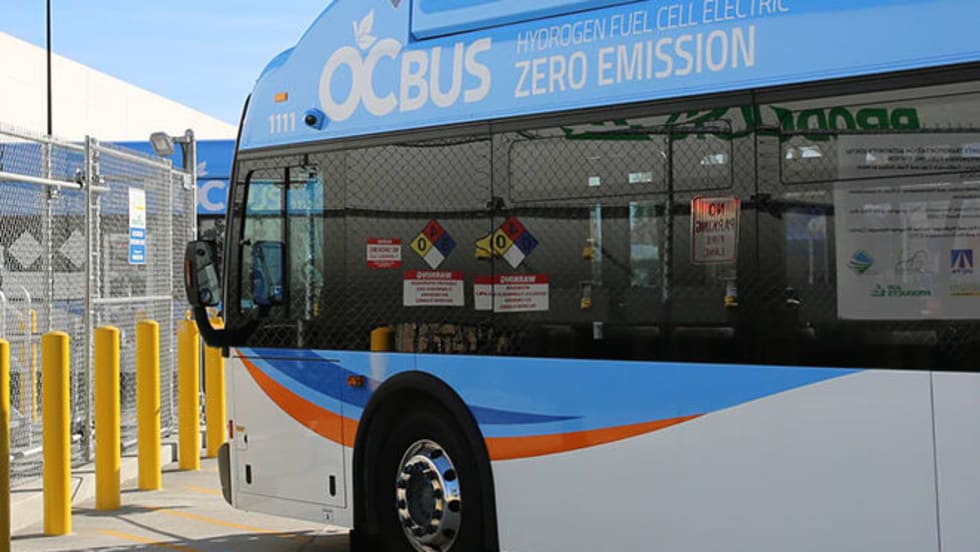
Biz Briefs: OCTA Taps Clean Energy for Hydrogen Station, Stadler to Supply Via Rail Vehicles, and More
From manufacturers and suppliers to transit agencies and motorcoach operators, these updates offer a snapshot of the projects, partnerships and business moves driving the industry forward.
Read More →
METRO Magazine Announces 2026 Innovative Solutions Awards Winners
Projects Recognized for Advancing Mobility Through Technology, Accessibility, Workforce Innovation, and Operational Excellence
Read More →
Biz Briefs: STV teams with Amtrak, Motorcoach Operators Boost Fleet and Land Contracts, and More
From manufacturers and suppliers to transit agencies and motorcoach operators, these updates offer a snapshot of the projects, partnerships and business moves driving the industry forward.
Read More →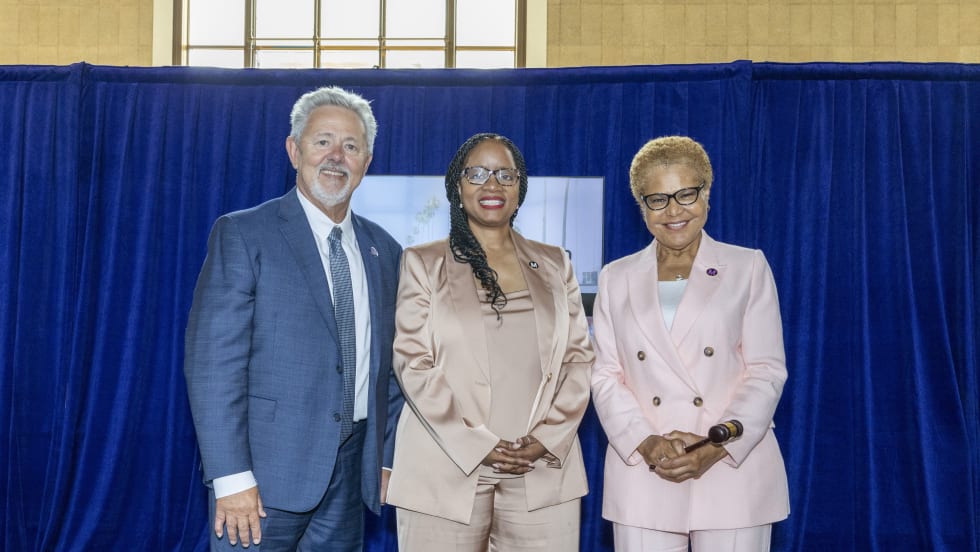
LA Metro Marks Banner Year, Sets Ambitious Goals for New Fiscal Year
Incoming LA Metro Board Chair and Los Angeles Mayor Karen Bass joined outgoing Board Chair Fernando Dutra and LA Metro CEO Stephanie Wiggins to review accomplishments from fiscal year 2026, which included the opening of new rail extensions, advancement of major transit projects, expanded safety programs, and new rider amenities.
Read More →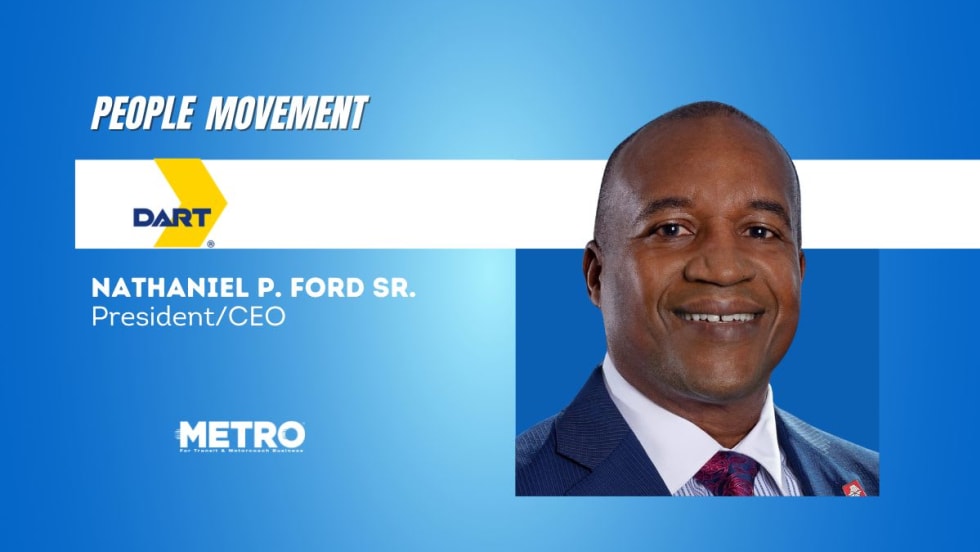
DART Taps Nathaniel P. Ford Sr. as Next President/CEO
Since 2012, Ford has served as the CEO of the Jacksonville Transportation Authority
Read More →
AC Transit’s Cecil Blandon on Building the Next Generation of Transit Maintenance Leaders
The agency’s maintenance chief discusses leadership, workforce development, zero-emission technology, and preparing technicians for the future of public transportation.
Read More →
Building the Next Generation of Transit Technology
In this edition of METROspectives, Luminator CEO Magnus Friberg discusses the company's transformation, the growing role of AI and software, and what's next for transit technology.
Read More →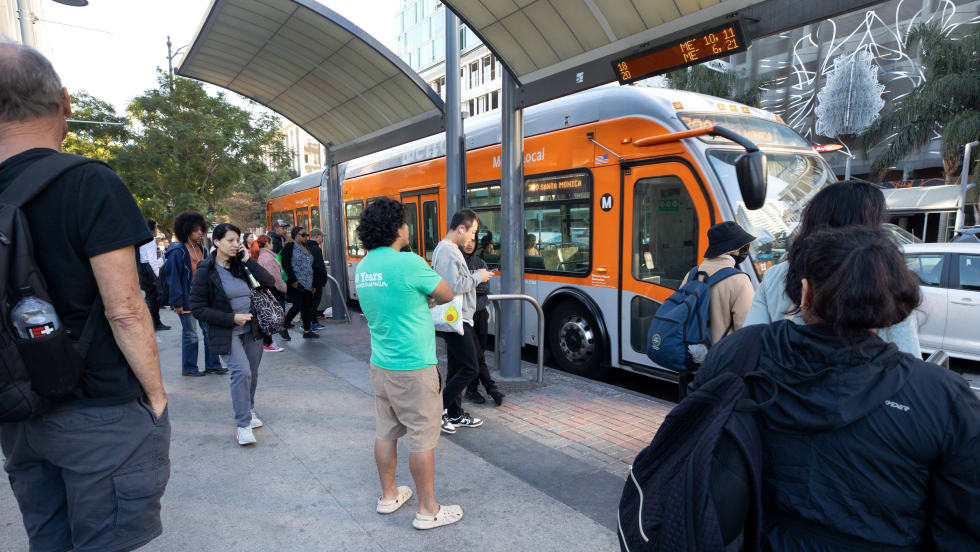
June LA Metro Ridership Surges 2 Million Year Over Year
Total June ridership increased for both weekdays and weekends. Weekday ridership was 953,820, which grew 8.4% from June 2025; Saturdays increased nearly 13% year-over-year to 708,826; and Sundays increased 7.7% to 611,534 from June 2025, according to LA Metro.
Read More →
Washington's Pierce Transit Board Sends Transit Funding Measure to November Ballot
With the adoption of Resolution 2026-006, the measure moves to the Pierce County Auditor, giving voters in the Pierce Transit service area the decision on whether to fund an expansion of local transit service within the agency’s service area.
Read More →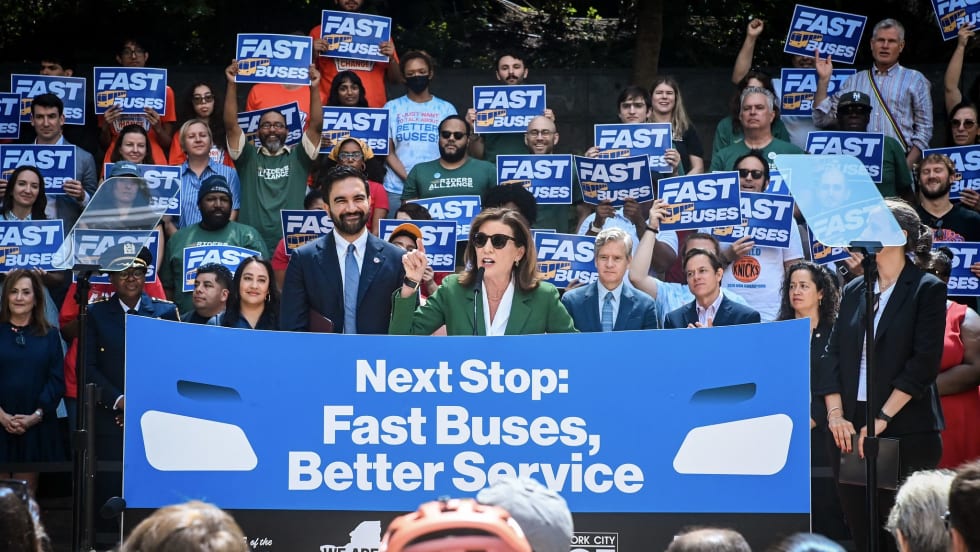
New York Unveils Sweeping Plan to Modernize City Bus Service
Next Stop: Fast Buses, Better Service identifies 50 priority bus corridors for improvements across the five boroughs and launches the City’s next generation of rapid bus service along five key routes.
Read More →