



Toronto's Metrolinx, Airport Authority team to study transit connections
The advancement of work to better integrate transit projects into Canada’s busiest airport will help connect the country’s second largest employment zone and reduce highway congestion.


In 2017, the GTAA announced plans for a future transit and passenger center at Toronto Pearson.

The Greater Toronto Airports Authority (GTAA) and Metrolinx will be working together to study potential connections for the Kitchener rail corridor to Toronto Pearson’s Regional Transit and Passenger Center, in addition to other potential transit connections such as the Eglinton Crosstown West Light Rail Transit (LRT).
The advancement of work to better integrate transit projects into Canada’s busiest airport will help connect the country’s second largest employment zone and reduce highway congestion.
This partnership follows Premier Kathleen Wynne's recent announcement that the Province is advancing high-speed rail and Metrolinx is moving ahead with an Environmental Assessment for next steps for a separation of freight and passenger lines in the Northwest Greater Toronto Area (GTA), which will allow for both frequent GO Train service as well as high-speed rail between Waterloo Region and the GTA. As part of the Environmental Assessment phase, Ontario is working with the GTAA to explore options to connect two-way, all-day service on the Kitchener GO line to the planned regional transit and Passenger Center, a multimodal transportation hub and passenger facility to be located at Toronto Pearson.
“We are excited to be moving ahead with our partners to explore all options available. By strengthening connections among communities along the innovation corridor between Kitchener-Waterloo, Pearson Airport, and Toronto, we will work to deliver faster, more frequent service for our customers” said Phil Verster, president/CEO of Metrolinx.
In 2017, the GTAA announced plans for a future transit and passenger center at Toronto Pearson. There is an identified need to better connect the region and to serve the 49,000 workers who are based at Toronto Pearson and the 300,000 people who work in the airport employment zone, the second highest concentration of jobs in Canada.
More Rail
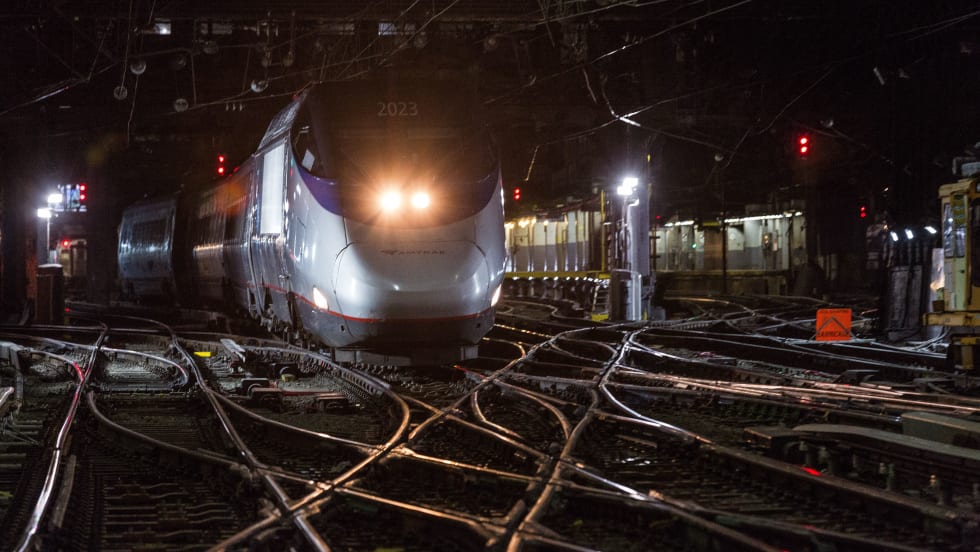
Amtrak Board Advances Plan to Restructure Organization, Seeks Public Input
The proposal, developed by Amtrak management and approved by the board for further consideration, is intended to modernize the organization's structure while improving accountability, operational efficiency, and customer service.
Read More →
Biz Briefs: STV teams with Amtrak, Motorcoach Operators Boost Fleet and Land Contracts, and More
From manufacturers and suppliers to transit agencies and motorcoach operators, these updates offer a snapshot of the projects, partnerships and business moves driving the industry forward.
Read More →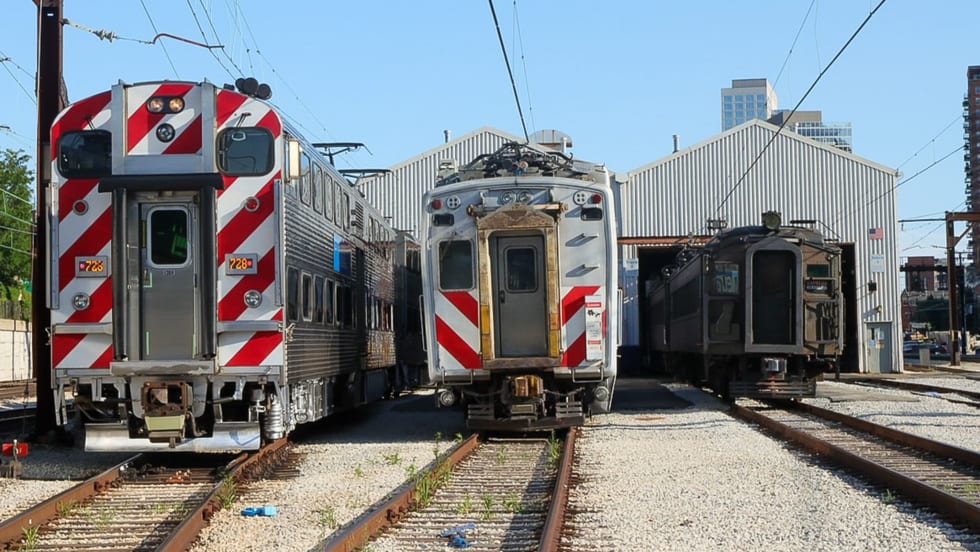
Metra Celebrates 100 Years of Electric Rail, Looks to the Future
The event was also a celebration of recent reforms to public transportation in the Chicago area, changes that could be as transformative in the future as the major civic achievement a century ago, said officials.
Read More →
LA Metro Marks Banner Year, Sets Ambitious Goals for New Fiscal Year
Incoming LA Metro Board Chair and Los Angeles Mayor Karen Bass joined outgoing Board Chair Fernando Dutra and LA Metro CEO Stephanie Wiggins to review accomplishments from fiscal year 2026, which included the opening of new rail extensions, advancement of major transit projects, expanded safety programs, and new rider amenities.
Read More →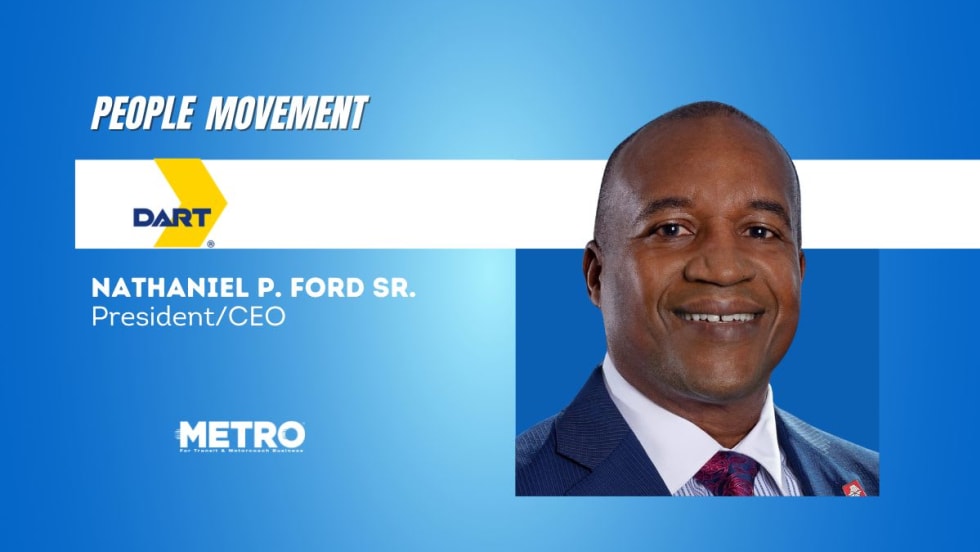
DART Taps Nathaniel P. Ford Sr. as Next President/CEO
Since 2012, Ford has served as the CEO of the Jacksonville Transportation Authority
Read More →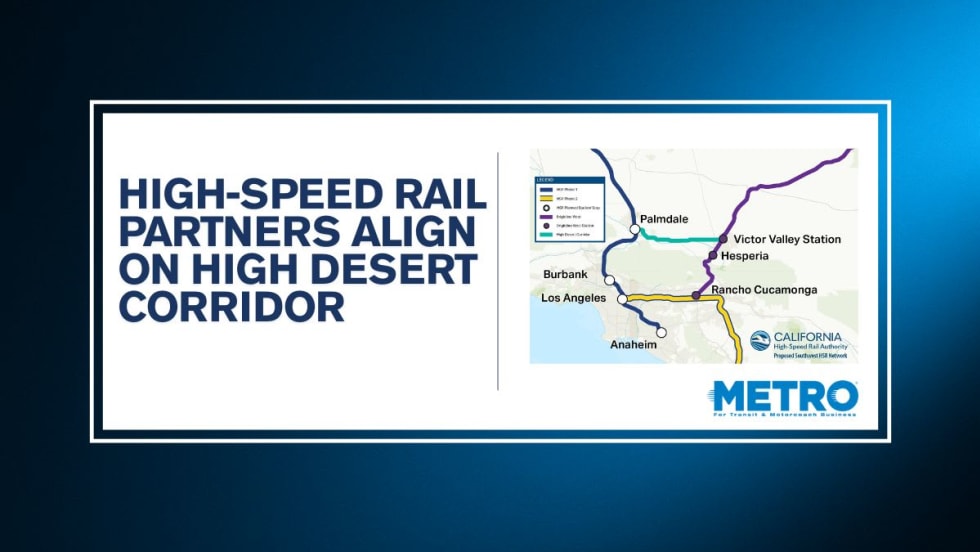
California High-Speed Rail Authority Signs MOU to Advance High Desert Corridor
The agreement deepens collaboration between the California High-Speed Rail Authority and the High Desert Corridor Joint Powers Agency, supporting design integration, cost savings, and faster delivery of a key Southern California rail link.
Read More →
Building the Next Generation of Transit Technology
In this edition of METROspectives, Luminator CEO Magnus Friberg discusses the company's transformation, the growing role of AI and software, and what's next for transit technology.
Read More →
How Data, Strategy, and Community Engagement Are Reshaping Transit
In this edition of METROspectives, strada360 CEO Steve Lassey discusses how transit agencies can better align planning with operations, leverage data to improve decision-making, and build public trust as they prepare for the future of mobility.
Read More →
TTC Launches Camera Pilot to Curb Illegal Passing of Streetcars
During the pilot, the cameras will measure how often illegal streetcar passing occurs and test the technology's reliability for future automated enforcement.
Read More →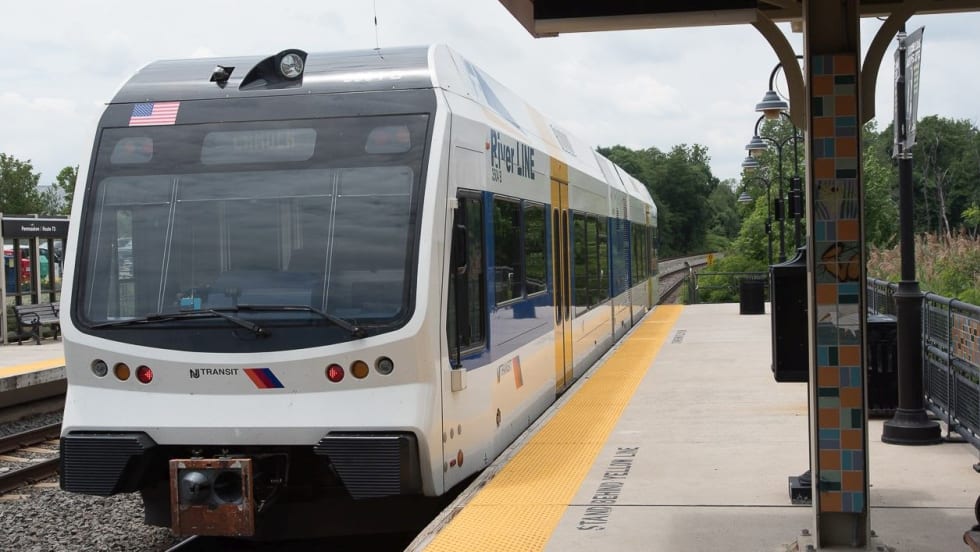
NJ TRANSIT Secures Capital Funding, Adopts FY2027 Budget
The budgets continue investments in infrastructure and equipment to maintain the system in a state of good repair and enhance the overall customer experience.
Read More →