




Related: SARTA, OSU unveil the first of 10 hydrogen fuel-cell buses
Toyota announces plans to sell fuel-cell buses
Plans to introduce over 100 buses mainly in the Tokyo area, ahead of the Tokyo 2020 Olympic and Paralympic Games. The buses will be sold for the first time in Japan in early 2017.
October 24, 2016
Toyota
2 min to read

Toyota
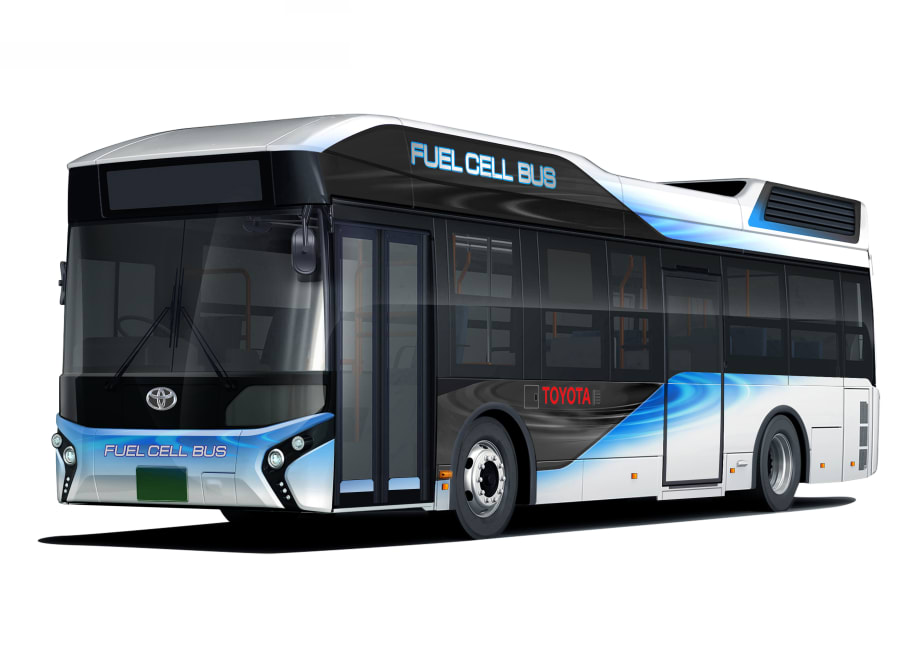
Toyota Motor Corp. will begin selling fuel-cell buses (FC buses) under the Toyota brand in early 2017. Having already undergone repeated field tests for practical use, the Bureau of Transportation of the Tokyo Metropolitan Government plans to utilize two of these FC buses (model name: Toyota FC Bus) as fixed-route buses.
Toyota plans to introduce over 100 FC buses mainly in the Tokyo area, ahead of the Tokyo 2020 Olympic and Paralympic Games. In view of this, the FC buses will be sold for the first time in Japan in early 2017, so as to help increase the level of understanding by the general public of the utilization of FC buses as a form of public transportation.
In preparation for the Tokyo 2020 Olympic and Paralympic Games, the number of FC buses being introduced will increase steadily going forward. Together with this, Toyota aims to engage continuously in the diligent development targeted at the expansion of the introduction of the new FC buses from 2018 so as to contribute to the realization of a hydrogen-based society.
The Toyota FC Bus was developed by Toyota, based on the company's experience in developing FC buses together with Hino Motors Ltd. (Hino). The Toyota Fuel-Cell System (TFCS), which was developed for the Mirai fuel-cell vehicle (FCV), has been adopted to provide better energy efficiency in comparison with internal combustion engines, as well as to deliver superior environmental performance with no CO2 emissions or substances of concern (SOCs) when driving.

Toyota
The bus also uses a high-capacity external power supply system. With a power supply capable of a nine kW maximum output, and a large capacity of electricity supply at 235 kWh, the FC bus can be used as a power source in the event of disasters, such as at evacuation sites such as in school gymnasiums or, its electricity supply can also be harnessed for home electric appliance use.
The Toyota Group considers the use of hydrogen to be a powerful source of energy for the future. Toyota has released the Mirai FCV, while also engaging in the technological and product development of FC buses, fuel-cell forklifts, as well as stationary fuel cells for use in homes. Going forward, the group will accelerate developments in a unified manner, so as to contribute to the realization of a hydrogen-based society.
More Technology
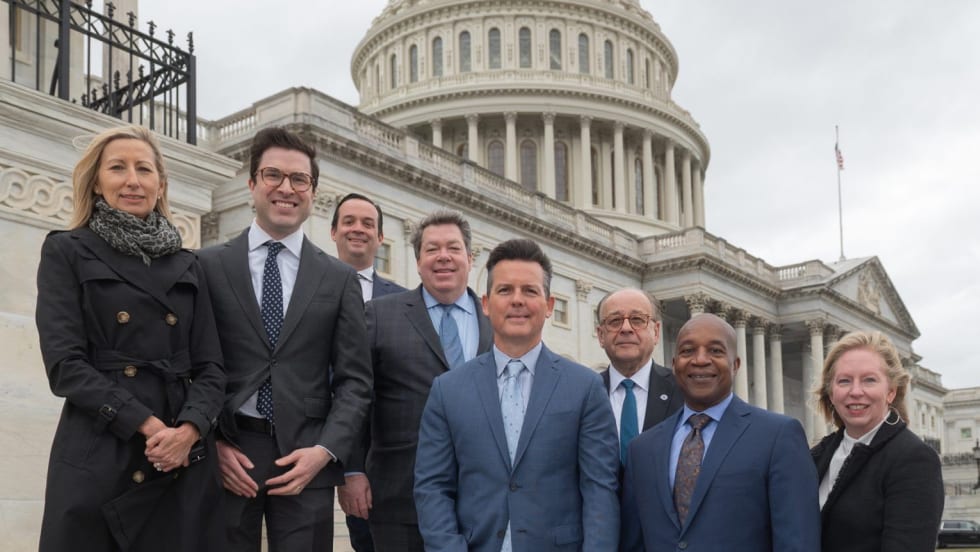
The Business Voice Behind Public Transportation
As chair of APTA’s Business Members Board of Governors, Ray Melleady explains how more than 850 business members are partnering with transit agencies to advance funding, innovation, and industry-wide collaboration.
Read More →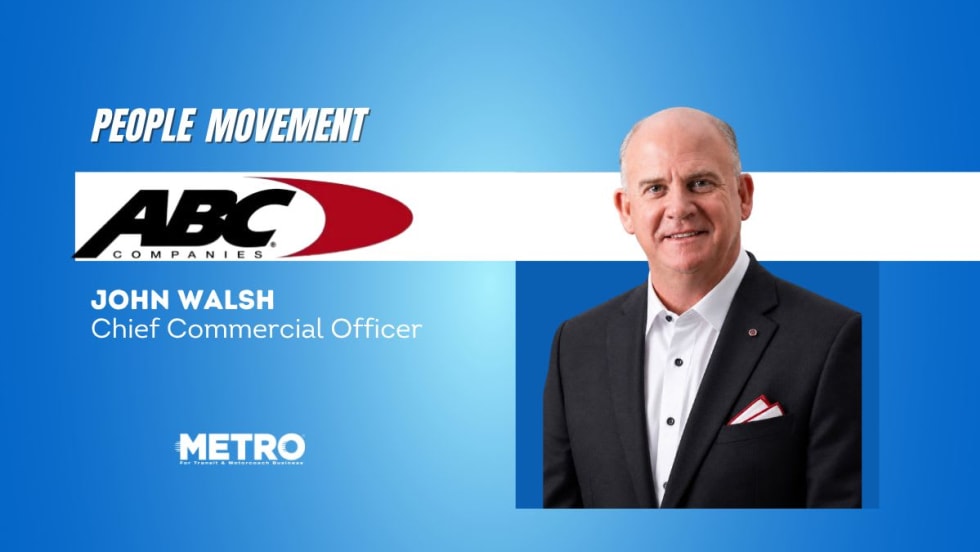
People Movement: ABC Names John Walsh as Chief Commercial Officer
In this edition, METRO also covers recent appointments and announcements at the DART, STV, and more, showcasing the individuals helping to shape the future of transportation.
Read More →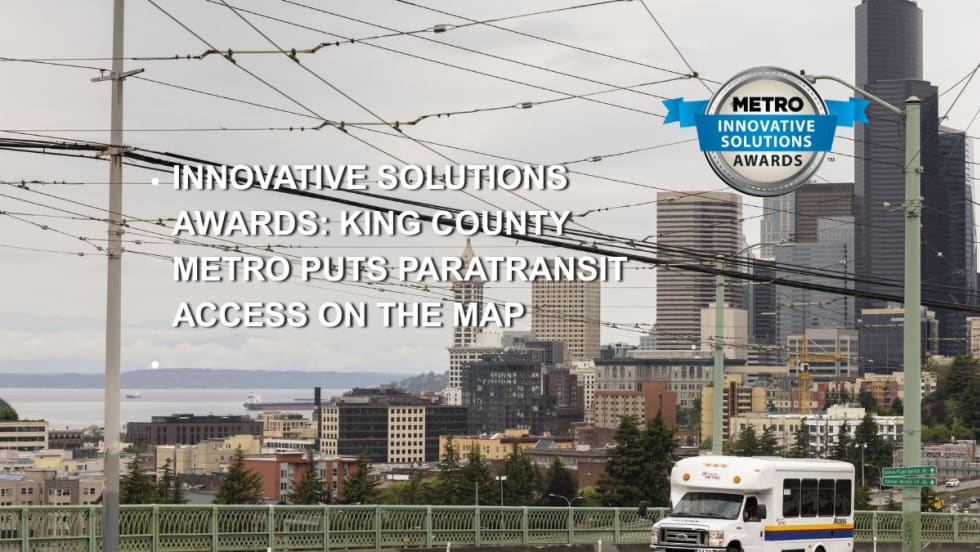
King County Metro Makes ADA Paratransit Easier to Navigate
METRO's Innovative Solutions Award winner replaces complex service-area descriptions with an accessible, interactive map that puts paratransit information directly in customers’ hands.
Read More →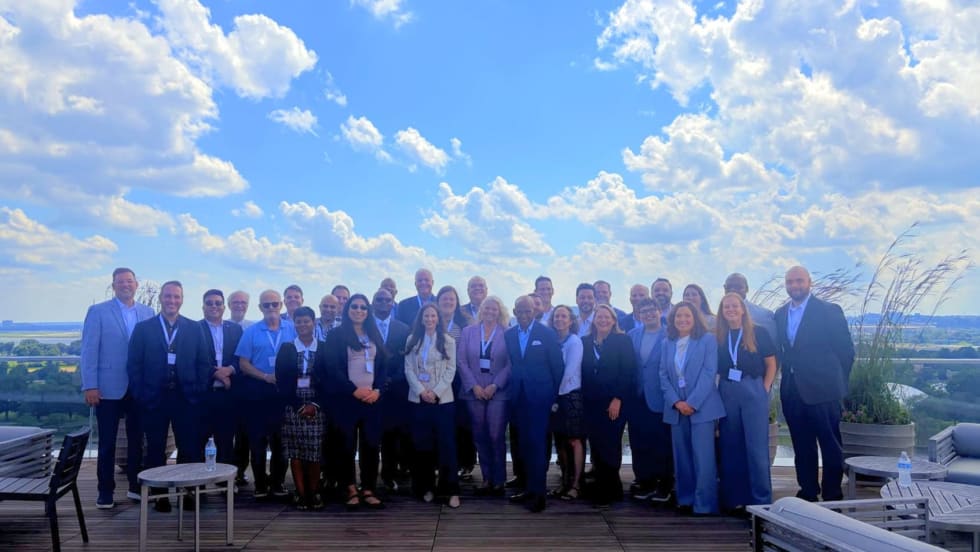
TransDASH Summit Focuses on Measuring What Matters in Transit
Transit agencies unveil a national performance platform designed to benchmark customer experience, safety, community value, and other outcomes.
Read More →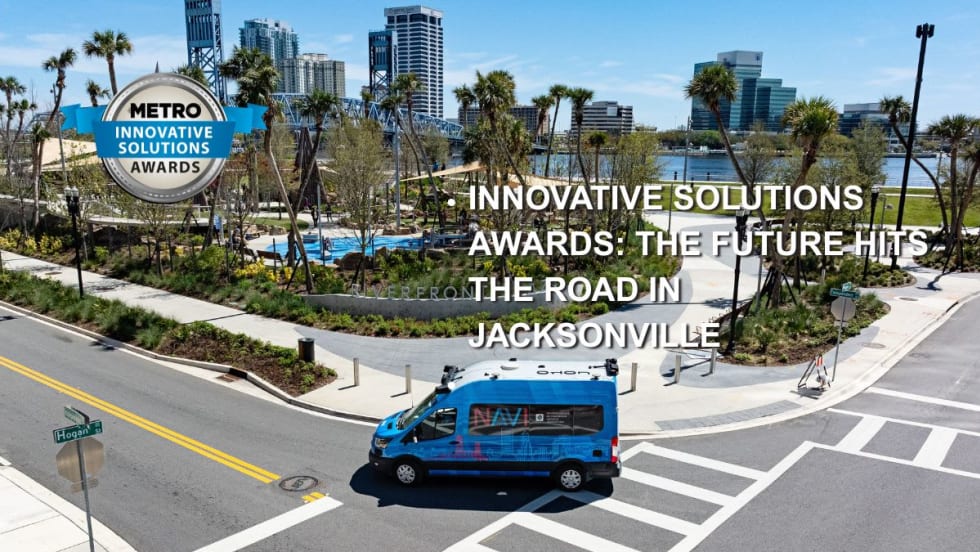
Jacksonville’s NAVI Project Charts a New Course for Autonomous Public Transportation
Through its NAVI program, JTA is showing how autonomous vehicles, intelligent infrastructure, and coordinated operations can work together to deliver everyday public transportation.
Read More →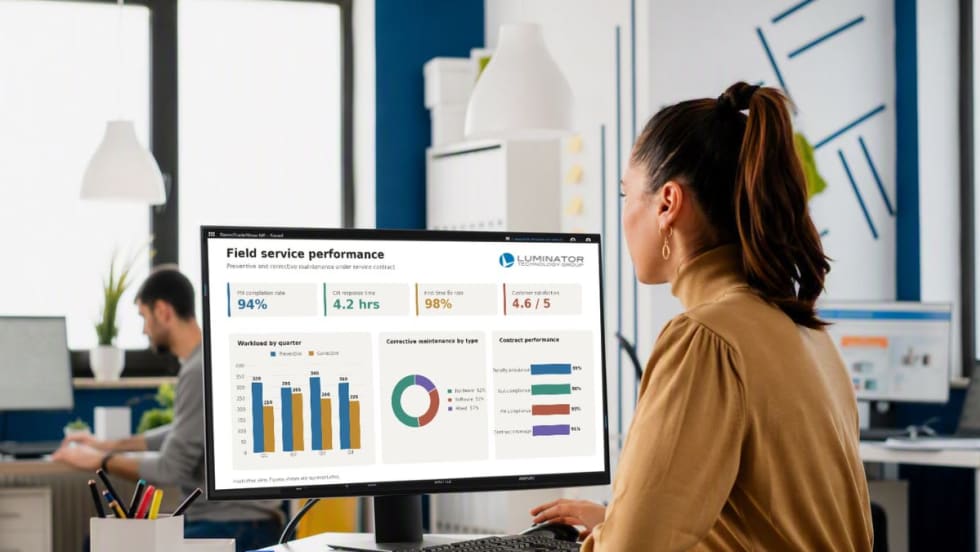
Biz Briefs: Luminator Marks Milestone and More
From manufacturers and suppliers to transit agencies and motorcoach operators, these updates offer a snapshot of the projects, partnerships and business moves driving the industry forward.
Read More →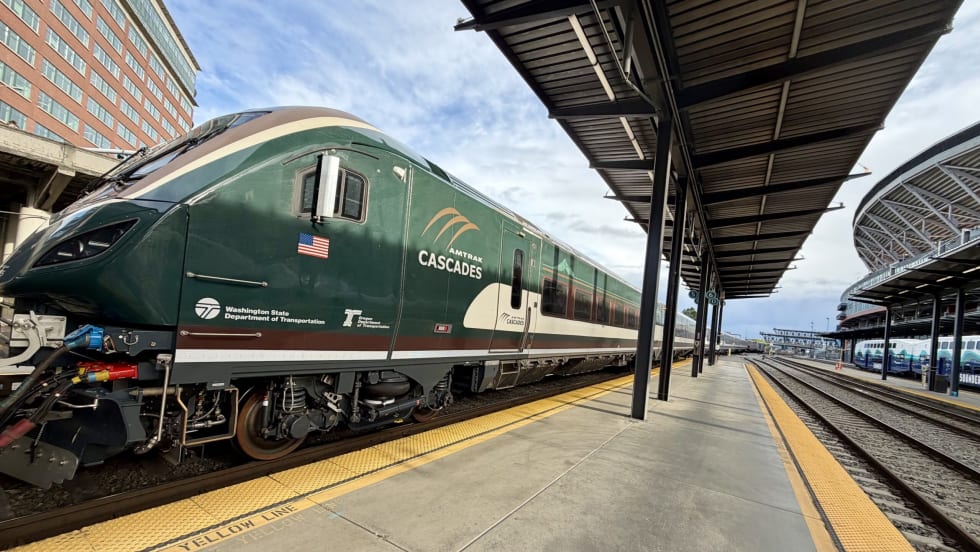
FRA Announces $5.3B in Rail Investments, Including $2B for Amtrak
Funding will support grade-crossing improvements, infrastructure upgrades, and new Amtrak equipment in 23 states.
Read More →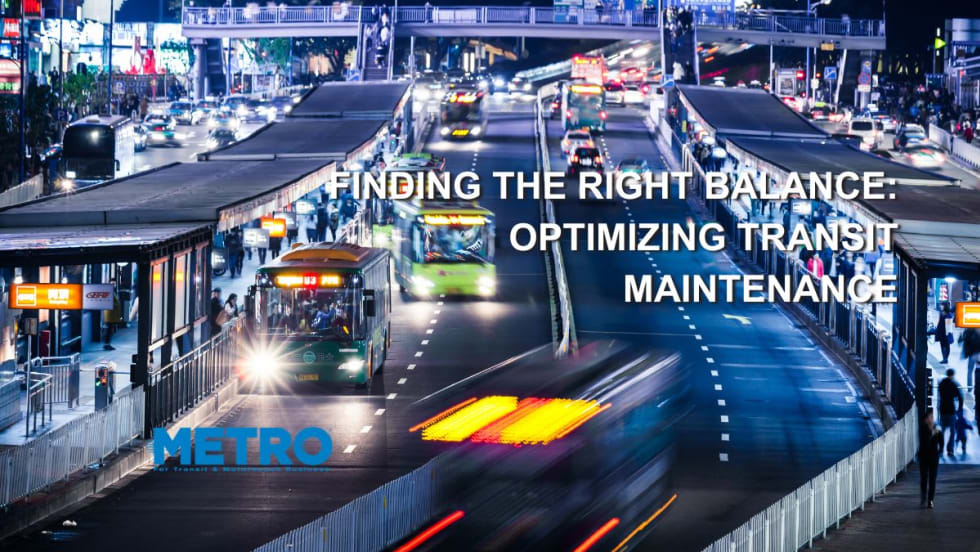
Finding the ‘Happy Medium’: Optimizing Maintenance Without Sacrificing Reliability
The key to maintenance optimization isn’t doing less work—it’s doing the right work at the right time on the right assets.
Read More →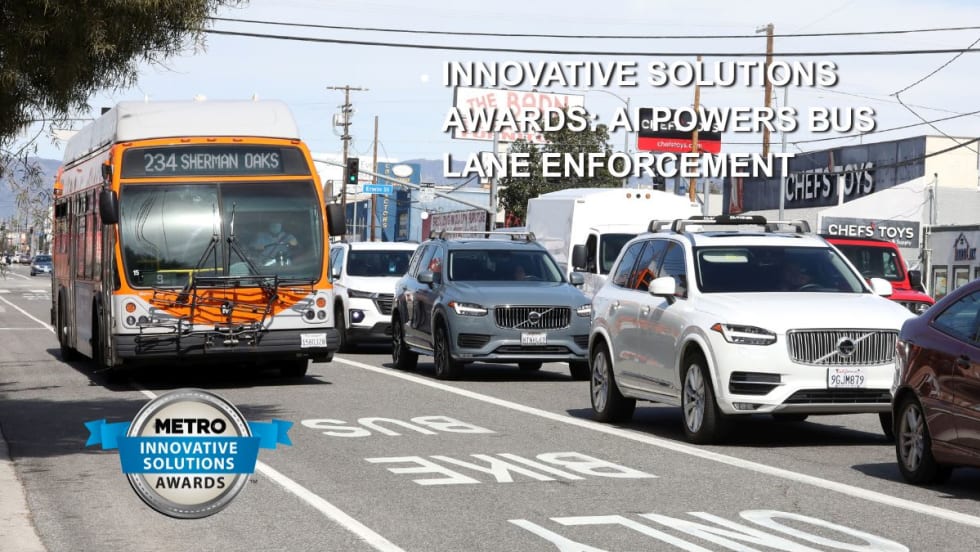
LA Metro, City of West Hollywood, and Partners Advance Smarter Bus Lane Enforcement
The award-winning partnership combines AI-powered detection with human oversight to improve bus reliability, accessibility, and enforcement efficiency.
Read More →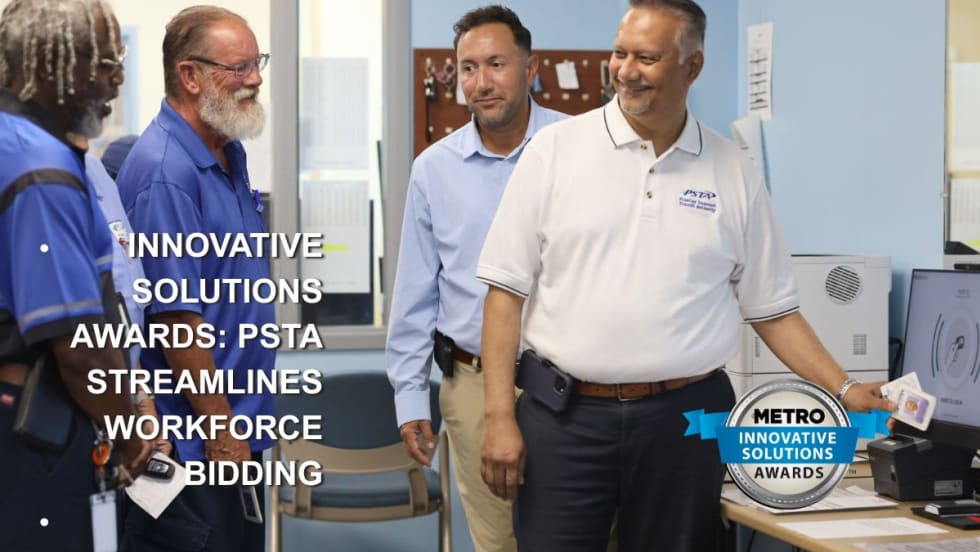
PSTA Modernizes Workforce Management with Digital Bidding System
The award-winning Workforce Transit Modernization project replaced paper bidding with a transparent digital platform, cutting administrative effort while improving access for operators.
Read More →