



Tracking of hours-of-service violators proposed
Bus companies would be required to install electronic on-board recorders for two-year minimum.

Bus and truck companies with a history of serious hours-of-service (HOS) violations may be required to install electronic on-board recorders in all of their commercial vehicles for a minimum of two years, per a new proposed rule by the Federal Motor Carrier Safety Administration (FMCSA). Industry-wide use of electronic on-board recorders (EOBR) would be encouraged with incentives for voluntary use, said FMCSA Administrator John H. Hill. The proposal would require EOBRs to record basic information needed to track a driver's duty status, including: identity of the driver, duty status, time and location of the commercial vehicle, and distance traveled. Companies would also be required to use global positioning technology or other location tracking systems to reduce the likelihood of falsification of HOS information. If adopted, an estimated 930 carriers with 17,500 drivers would be required to use EOBRs within the first two years that the rule is enforced, according to the FMCSA. The full Notice of Proposed Rulemaking will be published in the Federal Register on January 18, 2007, and public comments will be accepted until April 18, 2007. To request a copy of the notice, email: news@fmcsa.dot.gov
More Paratransit
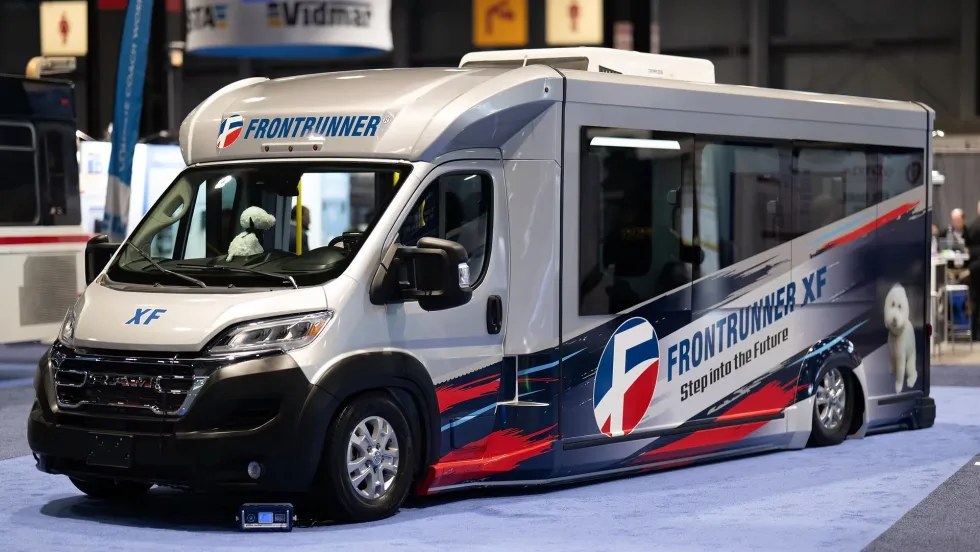
Frontrunner Bus Group Introduces XF Low-Floor Bus with Enhanced Accessibility
The new mid-sized bus features a full flat-floor design, eight-inch curbside step-in height, and zero-entry rear ramp to improve passenger access and operational flexibility.
Read More →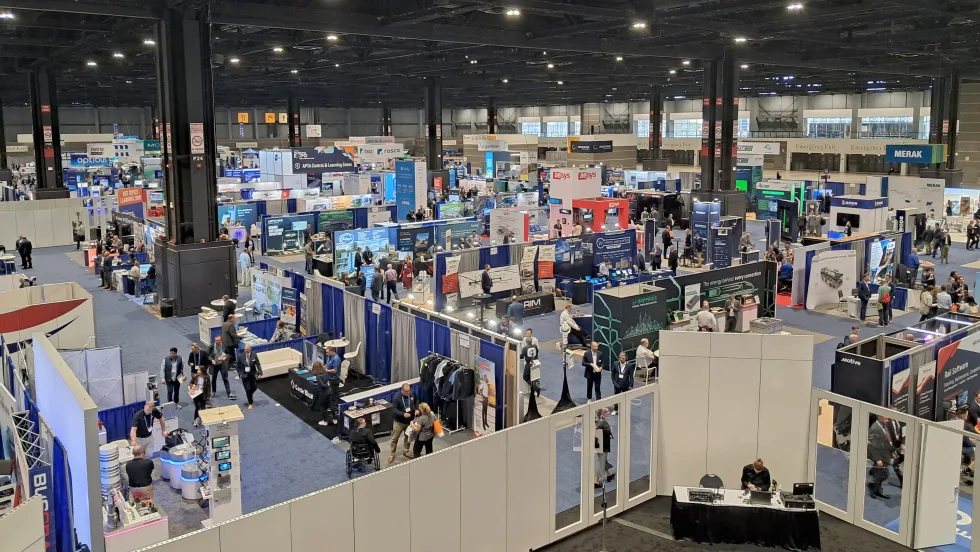
Scenes from APTA TRANSform & EXPO 2026
Transit leaders, manufacturers, and industry professionals gathered in Chicago to explore new technologies, share ideas, and discuss the future of public transportation.
Read More →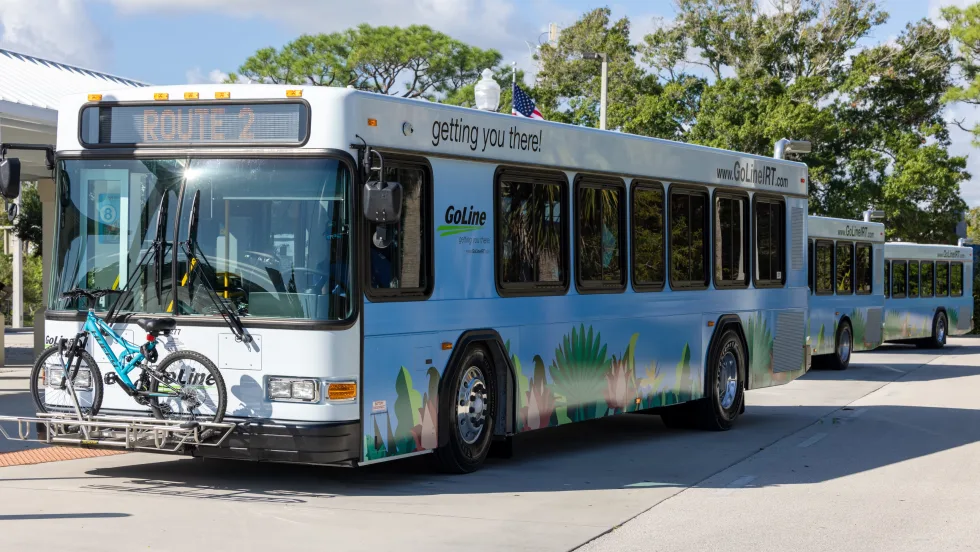
Indian River Transit’s Community-Focused Approach Earns National Recognition
Named APTA’s 2026 Outstanding Public Transportation System in its size category, Florida’s Indian River County transit system continues to grow ridership through fare-free service and a focus on evolving community needs.
Read More →
Everett Transit, Community Transit Outline Consolidation Agreement
The proposed agreement calls for a 50% increase in bus service in Everett, a new microtransit zone, continued paratransit service, and the transfer of Everett Transit operations to Community Transit.
Read More →
Driving Smarter Paratransit
John Hanlon shares how AlphaRoute is leveraging AI-powered technology to help paratransit providers optimize operations, support frontline staff, and enhance the rider experience.
Read More →
People Movement: Dan Dipert Coaches Adds Third-Generation Leader, Keolis Names New Valley Metro VP/GM, and More
In this edition, we also cover recent appointments and announcements at the Wabtec, SilverRide, HNTB, and more, showcasing the individuals helping to shape the future of transportation.
Read More →
Biz Briefs: RIPTA Unveils New Frontrunners, Clevland RTA Adds New Siemens, and More
In METRO's latest installment, we take a look at recent news from Siemens, Prevost, Dodge, and more partnerships making headlines across the transportation sector.
Read More →
King County Metro Makes ADA Paratransit Easier to Navigate
METRO's Innovative Solutions Award winner replaces complex service-area descriptions with an accessible, interactive map that puts paratransit information directly in customers’ hands.
Read More →
Jacksonville’s NAVI Project Charts a New Course for Autonomous Public Transportation
Through its NAVI program, JTA is showing how autonomous vehicles, intelligent infrastructure, and coordinated operations can work together to deliver everyday public transportation.
Read More →
Driving Smarter Paratransit
John Hanlon shares how AlphaRoute is leveraging AI-powered technology to help paratransit providers optimize operations, support frontline staff, and enhance the rider experience.
Read More →