




Related: LAVTA testing driverless vehicles, partners with TNCs
Transdev expands autonomous passenger shuttle pilot programs
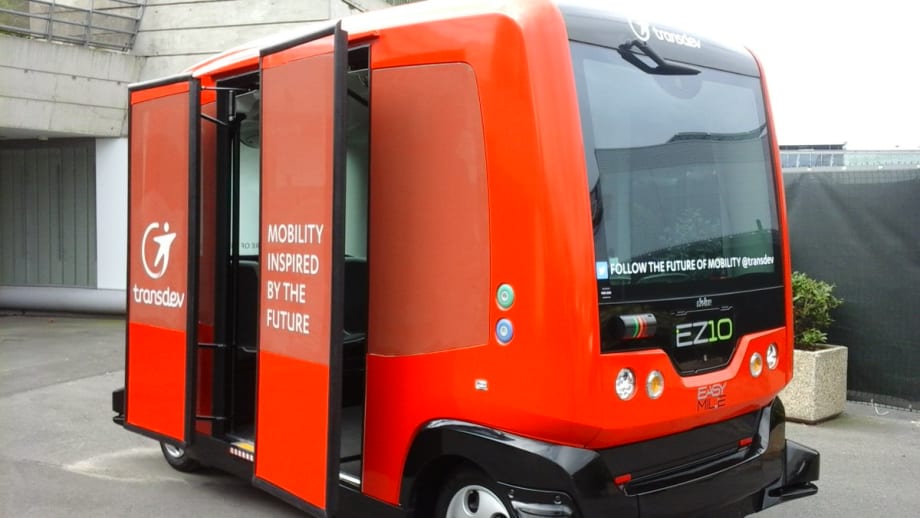
In the U.S., pilot programs featuring Trandev’s AV turnkey solution are in development in campus environments and other selected communities.
June 28, 2016
2 min to read

Transdev is now operating Autonomous Vehicle (AV) passenger shuttles in multiple cities in Europe. Based on the success of those programs, the company has formed the Transdev Autonomous Vehicle Group to expand AV pilots and programs to North America. A key goal is to integrate AV solutions as a new form of shared-ride mobility.
Transdev’s current AV operations carry 4,000 passengers per day in two locations. In Rotterdam, Netherlands, Transdev’s 1.1-mile route links a metro station to a business park. In Civaux, Transdev operates the first commercial autonomous fleet in France on a 1.5-mile route at a nuclear power plant.
Additional programs are underway in two French cities. In the U.S., pilot programs featuring Trandev’s AV turnkey solution are in development in campus environments and other selected communities.
“We are bringing our unique position as a leading AV operator to North America,” said Transdev North America CEO Mark Joseph. “Driverless vehicles can plug multiple gaps that exist in current transport networks. They also create a new low-cost solution that opens mobility options that may never have been considered before.”
Transdev is working with AV manufacturers in North America and has built partnerships with companies such as Easymile, a leading manufacturer of AV shuttles for public transportation. Transdev is also partnered with Securing America’s Future Energy, a non-partisan non-profit working to reduce oil dependence. Transdev and SAFE have sponsored a study to identify the public health benefits that autonomous vehicles could bring as a result of sharply reduced traffic accidents and lower emissions.
The technology requirements of AV operations have spurred Transdev to develop proprietary algorithms for dynamic passenger-vehicle matching that facilitates real-time performance of mobile apps. Ongoing research is focused on blending the technology into additional pilot programs. The development of this new expertise is a natural evolution for Transdev — combining rapidly emerging technology with a proven history of operating safe, quality public transportation systems.
“This bold mobility solution is one more benefit we can offer to our customers all over the world,” Joseph said. “In addition to near-term opportunities on campuses, private-road throughways and AV zones, autonomous vehicles can supplement transit networks with first-mile last-mile service or augment options to underserved areas. With time, AVs in transit have great potential to become a genuine problem solver.”
More New Mobility
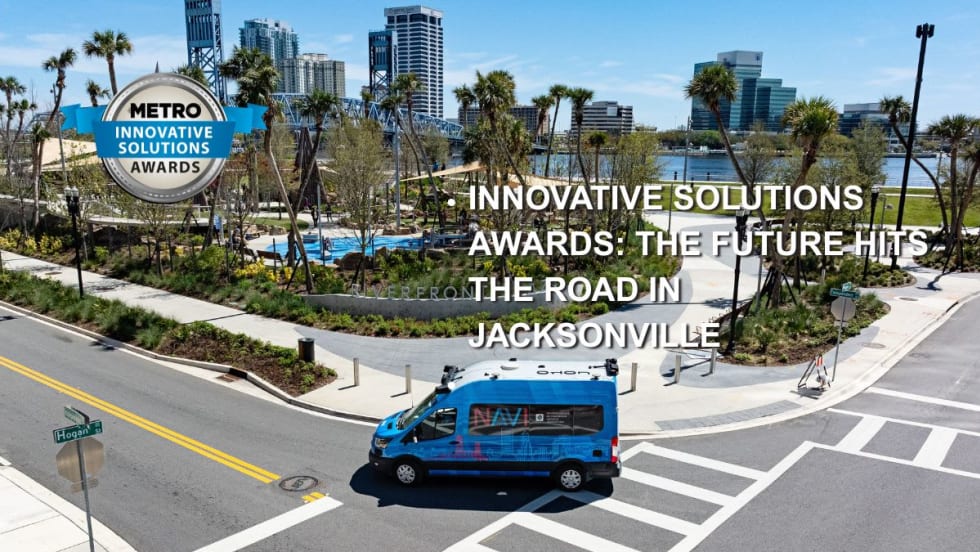
Jacksonville’s NAVI Project Charts a New Course for Autonomous Public Transportation
Through its NAVI program, JTA is showing how autonomous vehicles, intelligent infrastructure, and coordinated operations can work together to deliver everyday public transportation.
Read More →
Biz Briefs: Luminator Marks Milestone and More
From manufacturers and suppliers to transit agencies and motorcoach operators, these updates offer a snapshot of the projects, partnerships and business moves driving the industry forward.
Read More →
New Tricks for Old Bureaucracies: Joshua Schank on Making Transit Innovation Stick
Former LA Metro Chief Innovation Officer Joshua Schank discusses why good ideas aren't enough, how transit agencies can overcome resistance to change, and why today's challenges demand more innovation.
Read More →
How DART's GoPass Is Redefining Regional Mobility
Serving 14 transit agencies, GoPass simplifies multimodal travel by allowing riders to plan, pay for, and manage an entire trip through one app.
Read More →
Biz Briefs: OCTA Taps Clean Energy for Hydrogen Station, Stadler to Supply Via Rail Vehicles, and More
From manufacturers and suppliers to transit agencies and motorcoach operators, these updates offer a snapshot of the projects, partnerships and business moves driving the industry forward.
Read More →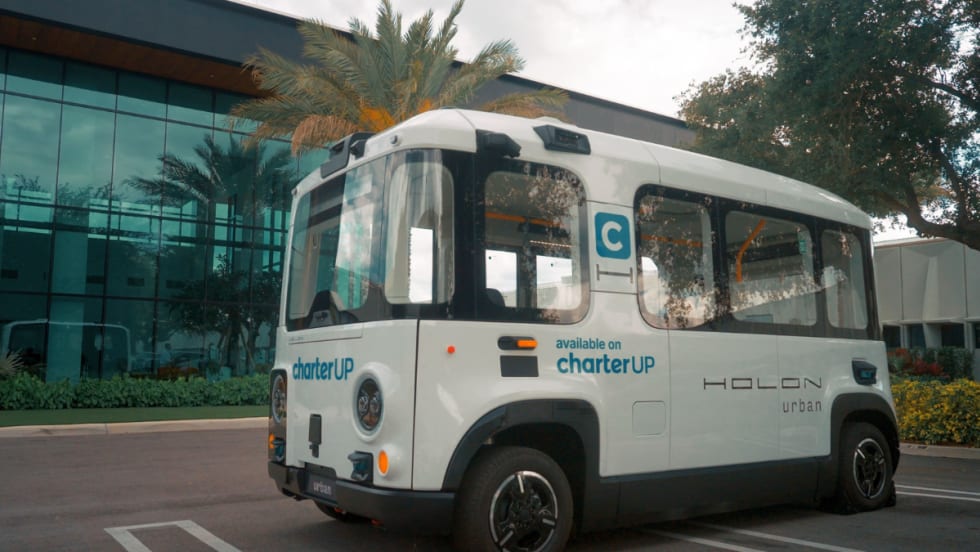
CharterUP Expands Into New Mobility and Autonomous Transportation
Vice President of New Mobility Stephen Joos discusses how CharterUP is leveraging its nationwide transportation network, technology platform, and autonomous vehicle partnerships to expand into workforce mobility, campus shuttles, and transit solutions.
Read More →
METRO Magazine Announces 2026 Innovative Solutions Awards Winners
Projects Recognized for Advancing Mobility Through Technology, Accessibility, Workforce Innovation, and Operational Excellence
Read More →
Biz Briefs: STV teams with Amtrak, Motorcoach Operators Boost Fleet and Land Contracts, and More
From manufacturers and suppliers to transit agencies and motorcoach operators, these updates offer a snapshot of the projects, partnerships and business moves driving the industry forward.
Read More →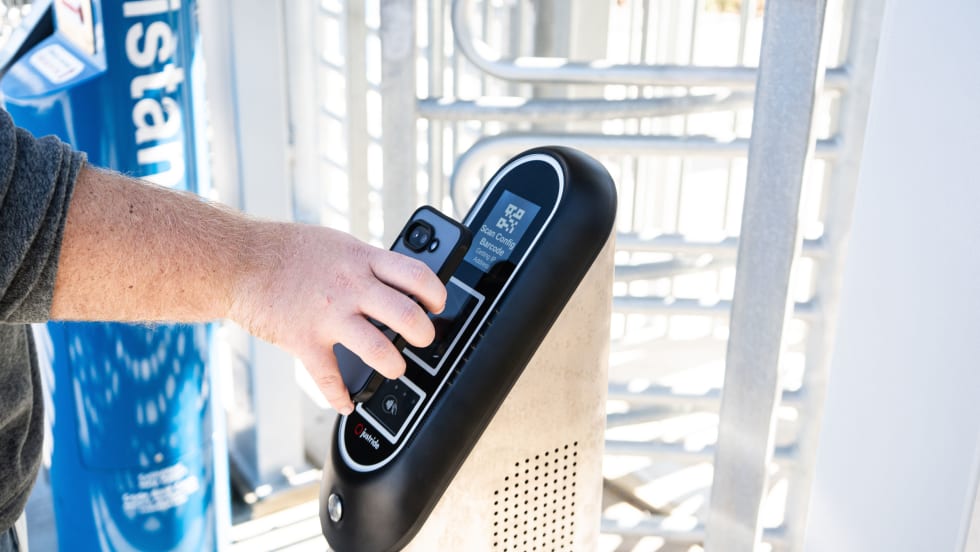
Biz Briefs: Masabi Teams with St. Louis Metro and More
In METRO's latest installment, we take a look at recent news from Transdev, Hitachi, and more partnerships making headlines across the transportation sector.
Read More →
Microtransit's Next Test: Becoming Part of the Network
Freebee shows how electric microtransit is moving beyond pilots to fill network gaps, connect riders to transit, and prove lasting value.
Read More →