




RELATED: Contractors Leverage Tech to Help Fleets Work 'Smarter'
Transdev promotes Alexander to exec. VP, business development
Dick Alexander has helped revenue grow from $100 million in 2001 to $1.3 billion in 2015 and has been an integral part in expanding Transdev’s streetcar operations in four major cities as well as light rail in Edmonton.
June 6, 2016

Transdev
2 min to read

Transdev
Transdev North America announced that Dick Alexander has been promoted from sr. VP to executive VP, business development.
Alexander’s background includes years of success leading efforts to renew current contracts and add new ones to the growing Transdev portfolio, according to the company. He has helped revenue grow from $100 million in 2001 to $1.3 billion in 2015 and has been an integral part in expanding Transdev’s streetcar operations in four major cities — New Orleans, Cincinnati, Detroit, and Atlanta — as well as light rail in Edmonton.
An additional key contribution has been the introduction of a modified version of the innovative European model for public-private operating partnerships (PPOP) that enable communities and cities to provide much improved quality and efficiency in public transportation. The PPOP model builds upon the respective strengths of public sector transit agencies and the private sector and enhances their joint capabilities.
These partnerships have been credited with helping the New Orleans RTA recover in the years following Hurricane Katrina and improving performance at the Long Island (Nassau County) bus and paratransit system, which in 2012 (prior to Transdev’s involvement) faced either severe service cuts or massive tax increases.
In the last few years, Alexander led efforts to create Intelliride, Transdev’s brokered on-demand business, providing non-emergency medical and paratransit services to the disabled community. Alexander and his team are also in the process of implementing first- and last-mile shared ride solutions for several transit clients, as well as alternative shared ride transit models utilizing dynamic routing algorithms to provide efficient, on-demand service.
Alexander, a long-time Cincinnati native, is a member of the Transdev North America Executive Committee, responsible for developing short- and long-term corporate strategy and policies. Rob Mowat, formerly of Nova Bus, has stepped into the sr. VP, business development role that Alexander vacated and will report to Alexander.
More Management
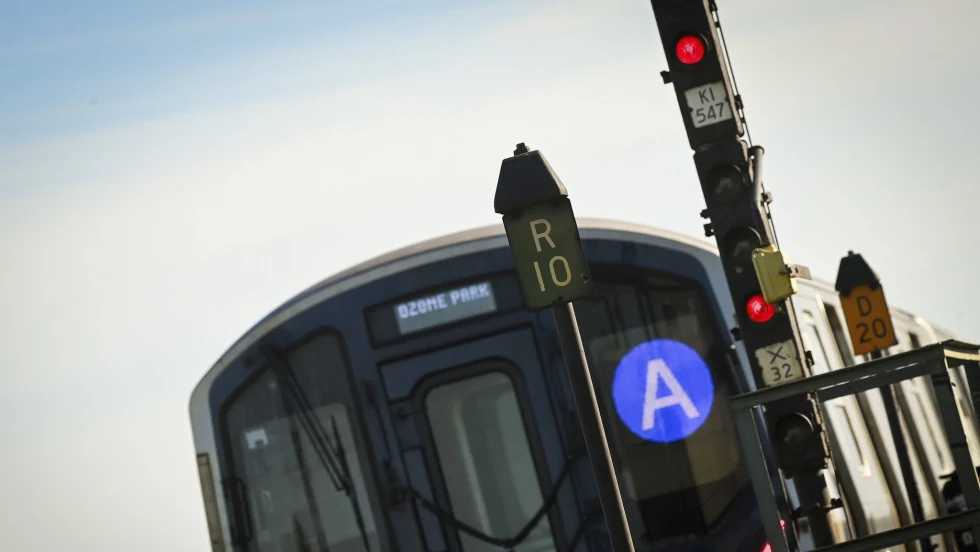
New York MTA Launches Historic $1.9B Signal, Track Modernization Project
Funded in part by congestion pricing revenue, the project will replace nearly century-old signals along the A and C lines in Brooklyn and Queens.
Read More →
Brian Dickson on Building Stronger, More Resilient Transportation Organizations
Bus Business Consultants Founder Brian Dickson discusses the leadership principles, operational discipline, and strategic planning that separate transportation companies positioned for long-term success from those stuck in survival mode.
Read More →
LA Metro Breaks Ground on Vermont BRT Project
The 12.4-mile corridor is projected to serve 66,200 daily riders, reduce travel times by up to 24%, and create the nation's busiest bus rapid transit corridor.
Read More →
Building Stronger Leaders, More Resilient Transit Teams
Dr. Carol Parker Walsh discusses leadership development, employee retention, workplace culture, and preparing transit’s workforce for AI and automation.
Read More →
Roman Cornell on ABC Companies’ Evolution and the Future of Passenger Transportation
The company’s CEO discusses carrying forward a third-generation family legacy, ABC’s continued evolution in passenger transportation, support for increasingly complex fleets, and how technology and continued investment could help operators improve uptime.
Read More →
CATS Launches West Charlotte Microtransit Zone, Expands Transit Services
The new microtransit zone connects residents to key destinations as Charlotte Area Transit System rolls out the first phase of its 2055 Transit System Plan.
Read More →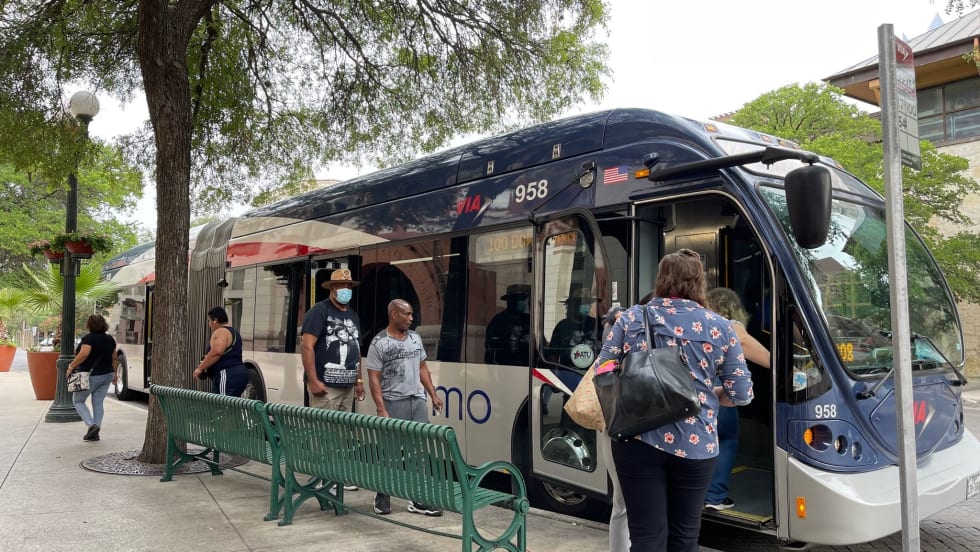
VIA Bus Ridership Grows 10.1% Through August 2026
San Antonio's VIA Metropolitan Transit reported the highest bus ridership growth among major Texas transit systems. Federal Transit Administration data ranked it second among the nation's 50 largest transit systems.
Read More →
CSA Group Releases Climate Resilience Standard for Transit, Passenger Rail
Developed with support from the Standards Council of Canada, CSA D700 guides assessing climate-related risks and planning adaptation measures for transit and passenger rail systems.
Read More →
ETA CEO John Maglio on Transit Technology, Innovation, and Building Agency Trust
ETA founder and CEO John Maglio explores the evolution of transit technology, the importance of reliable systems, and how stronger partnerships can help agencies improve operations and the passenger experience.
Read More →
COTA Launches First Customer Experience Action Plan to Improve Transit Service
The new plan outlines improvements to service reliability, accessibility, communication, and the overall rider experience across Central Ohio's transit system.
Read More →