



Transit systems coping with spike in violence against bus drivers
Many are taking preventive actions, such as training, and providing assistance to operators in the aftermath of an incident.

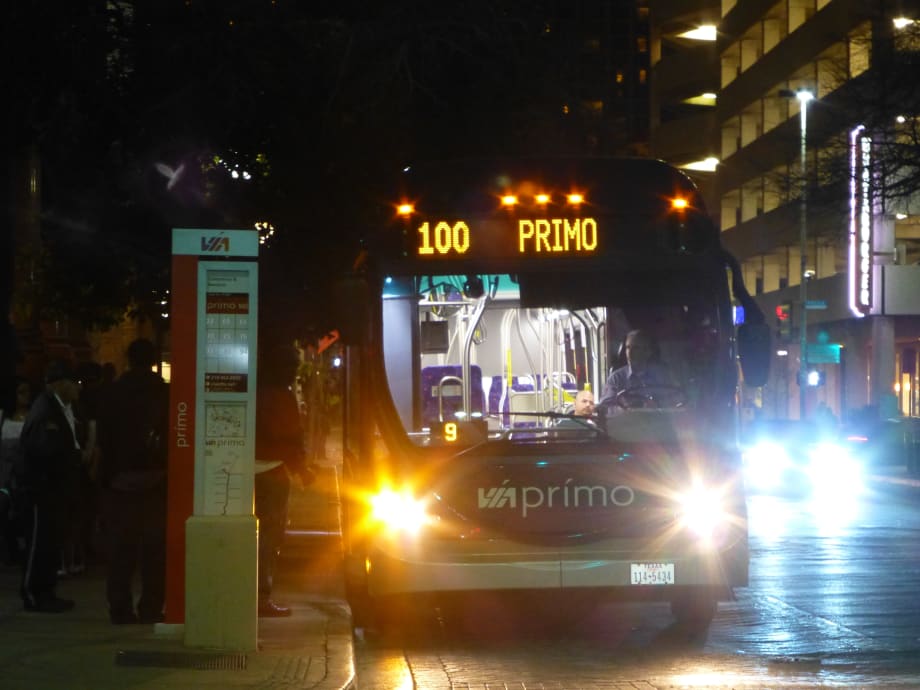
Transit systems, such as San Antonio’s VIA Metropolitan Transit, provide bus drivers that have been subject to violence from riders with counseling, legal support and flexible reassignment.
Transit systems, such as San Antonio’s VIA Metropolitan Transit, provide bus drivers that have been subject to violence from riders with counseling, legal support and flexible reassignment.
While research shows that transit systems across the U.S. are seeing an increase in violence against bus drivers, many are taking preventive actions, such as training, and providing assistance to operators in the aftermath of an incident.
The Center for Urban Transportation Research (CUTR), University of South Florida, is collecting data on these incidents, primarily from the National Transit Database (NTD), and conducting a survey of U.S. public transportation systems. The NTD data shows assaults are on the rise, with injuries to transit riders sustained during an assault being the most prevalent, followed by injuries to transit vehicle operators, according to a CUTR report.
The research also reviews return-to-duty procedures implemented by transit agencies for bus operators who have experienced assault or other traumatic events while on duty, said Lisa Staes, director of transit safety and workforce development programs, CUTR, who is presenting a paper on the topic at the APTA Bus & Paratransit conference on Monday, May 6.
Data collected from the NTD focuses on major incidents that resulted in a fatality, an injury that requires immediate medical assistance away from the scene, or involved property damage or evacuation. Looking at only those assaults reported to NTD’s safety and security form 40 for major incidents, the linear trend from 2008 to 2012 is up, Staes said.
“There were 119 injuries to transit vehicle operators in 2008. From that point to 2012 there’s some variability. In 2012 there were 124,” she added.
Despite the slight increase in bus operator assaults reflected in the NTD data, the industry is telling a different story through CUTR’s survey, Staes said, since incidents, such as a bus operator being struck, spat upon or otherwise harassed, are not captured as specific data points by NTD data.
“We’re hearing from transit agencies that the trends are much greater than that reflected in NTD,” she added.
However, CUTR is working with large transit agencies that have the resources to track these types of incidents to identify the policies and procedures they have in place to help operators deal with these events.[PAGEBREAK]
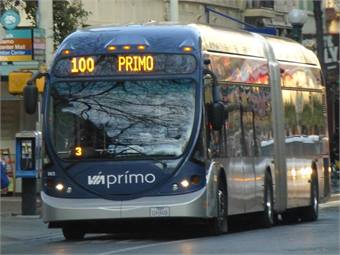
Data collected from the NTD focuses on major incidents that resulted in a fatality, an injury that requires immediate medical assistance away from the scene, or involved property damage or evacuation.
So far, CUTR’s survey has collected information that indicates transit systems are not only preparing bus operators for assaults but are also providing assistance to them after the fact, through employee assistance programs that offer counseling, legal support for bus operators, some form of recompense for lost wages through workers’ compensation and flexible reassignment, such as light duty or shifts at different times of day.
“Being flexible and providing a range of opportunities for bus operators is very important,” Staes added.
Transit systems providing this support include San Antonio’s VIA Metropolitan Transit, NYC Transit, Orange County Transportation Authority and many others.
Additionally, training to defuse any type of volatile situation is critical. “Often these assaults are related to fare disputes and other situations where it begins with an argument and gets out of hand,” Staes said.
[PAGEBREAK]What measures have you found to be the most effective in protecting bus drivers from violent situations with riders?

David King
David King, GM
Triangle Transit
Durham, N.C.
Our operators travel thousands of miles each month, and we’ve been fortunate to not have many incidents. They have been trained in what to do in case of an emergency. We actively display our Riders Code of Conduct and are bolstered by a North Carolina law, which says a rider who commits an assault, if found guilty of a misdemeanor, can be sentenced by up to two years in jail and a fine.

TJ Ross
TJ Ross, executive director
Pace Suburban Bus Service
Arlington Heights, Ill.
Protection of our bus operators begins with making sure the rules for riding the bus are consistently enforced by the bus operators and the supervisors. Problems result when passengers feel they are being treated differently by different bus operators. Supervisors need to back up the bus operators as well when handling passenger incidents. Also bus operators need to be allowed to make decisions that calm down a situation and not be disciplined for using their discretion.

Neil McFarlane
Neil McFarlane, GM
TriMet
Portland, Ore.
We have no tolerance for any assault against our operators. Along with our transit police officers, we place a high priority on responding to all of these types of incidents and aggressively pursue and prosecute riders who assault operators. Our CCTV cameras throughout the system also serve as a deterrent and provide critical evidence to identify suspects.
More Management

METRO Opens Submissions for 2026 Motorcoach Awards
Nominations are now being accepted for METRO Magazine’s Operator of the Year and Innovative Operator of the Year awards.
Read More →
New York MTA Advances Final Contract for Second Avenue Subway Expansion
Contract Four is the largest in the Second Avenue Subway Phase 2 project and includes construction of station infrastructure, tracks, and signals for the subway expansion, MTA officials said. Work on Contract Four will begin in 2027.
Read More →
Transit Agencies Highlight Safety Gains at National Summit
Leaders from 15 major transit systems shared crime-reduction results and safety initiatives while discussing the role of continued federal support.
Read More →

NITA Names New Leadership, Expands Reduced-Fare Program at First Board Meeting
The new regional transit authority appointed its first board chair and interim executive director while extending reduced fares across CTA, Metra, and Pace for eligible riders.
Read More →
Beyond the Checklist: A Structured Approach to Transit Maintenance
Reliability-Centered Maintenance helps transit agencies move beyond routine checklists to focus limited resources on the assets and failures that have the greatest impact on safety, reliability, and service.
Read More →
APTA 2026 Nominating Committee Selects Leadership Slate, Names Chair and Vice Chair Nominees
Leadership changes will help shape the association’s priorities and its representation of the transportation industry during the 2026–2027 term.
Read More →
DART Launches Major Security, Fare Enforcement Initiative
The 90-day demonstration will deploy coordinated security teams at five light rail stations while testing controlled access and gathering data to guide future investments.
Read More →
Advancing Fare Collection Through Technology and Innovation
Learn about delivering 1300 gates at 91 stations while managing fare evasion. Explore the large scale deployment, solution customization and real-world results that affect the region. Prepare for deployment in your region now.
Read More →
Game Day in Motion: Moving Millions During the 2026 World Cup
Between packed transit stations and team motorcoaches, see how agencies and operators across North America tackled the transportation demands of the 2026 FIFA World Cup.
Read More →
Surface Transportation Extension Averts Shutdown, Leaves Transit Funding Gap
The stopgap keeps federal transportation programs moving, but missing advance funding could complicate the transit and rail projects agencies are planning next.
Read More →