



TransLoc announces MARTA, Detroit as MicroTransit Challenge winners
The Challenge sought to identify the nation’s most visionary municipal transit agencies and reward them with the expertise, planning resources, data analytics, and predictive modeling to help stimulate demand-driven, flexible transit in the communities they serve.


From a field of submissions representing some of the most innovative municipal transit agencies across the nation, the Office of Mobility Innovation in the City of Detroit and the Metropolitan Atlanta Rapid Transit Authority (MARTA) took top honors in the inaugural MicroTransit Accelerator Challenge competition held by TransLoc, a technology provider of flexible, agency-owned microtransit solutions.
The Challenge sought to identify the nation’s most visionary municipal transit agencies and reward them with the expertise, planning resources, data analytics, and predictive modeling to help stimulate demand-driven, flexible transit in the communities they serve.
Entries from more than 15 states were evaluated by a panel including world-class public transportation and smart city experts, Gabe Klein and Peter Hirshberg, judging each entry against any of four criteria: increased ridership, social and community value, environmental impact, and improved efficiency. Due to an astonishingly high volume of high-quality submissions, TransLoc changed the parameters of the competition, selecting two first-place winners and three second-place winners.
“The transportation industry is experiencing a major expansion of demand-driven transit modes to complement and augment traditional fixed route transit services. Transit agencies, industry experts and riders are recognizing that ride-hailing options aren’t helping solve transportation’s biggest challenges the way microtransit can and does,” said TransLoc CEO Doug Kaufman.
First Place Winners include:
Office of Mobility Innovation in the City of Detroit
Metropolitan Atlanta Rapid Transit Authority
Second Place Winners include:
Lane Transit in Lane County, Ore.
Pace Bus in the metropolitan Chicago area
Airport Corridor Transportation Association
More New Mobility

ENC Unveils ZAVIR Medium-Duty Electric Shuttle at APTA EXPO
The new ZAVIR brand targets shuttle and paratransit operations with battery-electric and range-extended electric vehicle options.
Read More →
Public Transit Conference Returning to GFX in 2027, Call for Papers Now Open
The Call for Papers is now open, allowing transit agency professionals and industry experts to help shape the PTC educational program by submitting session ideas for consideration.
Read More →
Everett Transit, Community Transit Outline Consolidation Agreement
The proposed agreement calls for a 50% increase in bus service in Everett, a new microtransit zone, continued paratransit service, and the transfer of Everett Transit operations to Community Transit.
Read More →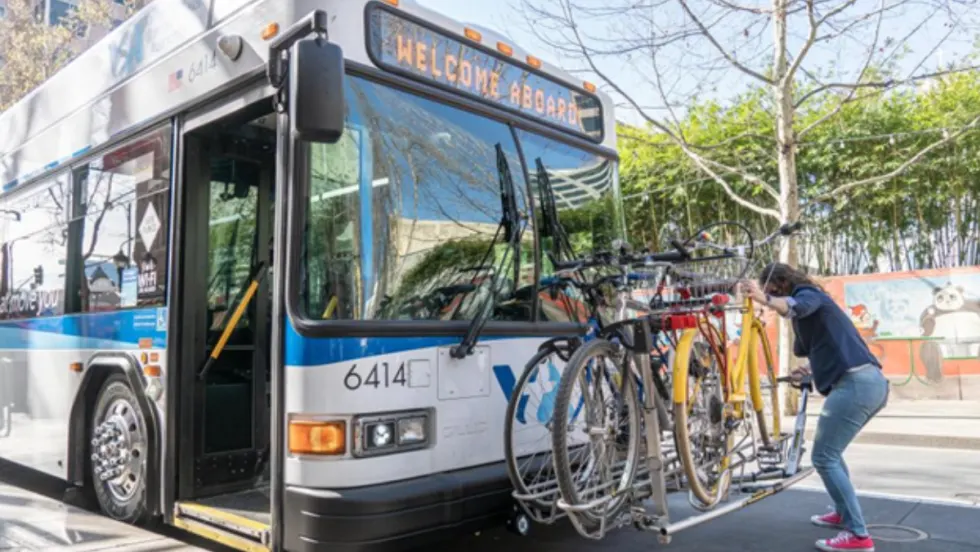
What Multimodal Data Can Tell Transit Agencies About Rider Demand
See how bike-on-bus data is giving transit agencies new insight into rider demand, capacity constraints, and gaps in first- and last-mile connections.
Read More →
From Hardware to Digital Partner: Luminator Charts Its Next Chapter
CEO Magnus Friberg discusses Luminator’s shift toward becoming a digital partner, the growing importance of software and interoperability, and how AI can help agencies improve operations and passenger experience.
Read More →
Biz Briefs: Alstom Lands Canadian Contract, LYT to Supply California TSP, and More
In METRO's latest installment, we take a look at recent news from Complete Coach Works, Beep, FlixBus, and more partnerships making headlines across the transportation sector.
Read More →
CharterUP’s Armir Harris on Technology, AI, and the Future of Group Mobility
In a recent episode of METROspectives, CharterUP Founder/CEO Armir Harris discussed the company’s evolution from an online charter bus marketplace into a technology platform supporting public- and private-sector mobility and much more.
Read More →
Jacksonville’s NAVI Project Charts a New Course for Autonomous Public Transportation
Through its NAVI program, JTA is showing how autonomous vehicles, intelligent infrastructure, and coordinated operations can work together to deliver everyday public transportation.
Read More →
Biz Briefs: Luminator Marks Milestone and More
From manufacturers and suppliers to transit agencies and motorcoach operators, these updates offer a snapshot of the projects, partnerships and business moves driving the industry forward.
Read More →
New Tricks for Old Bureaucracies: Joshua Schank on Making Transit Innovation Stick
Former LA Metro Chief Innovation Officer Joshua Schank discusses why good ideas aren't enough, how transit agencies can overcome resistance to change, and why today's challenges demand more innovation.
Read More →