




RELATED: LA Metro considering ridesharing-like microtransit option
TransLoc deploys microtransit simulator
The simulator helps transit agencies determine successful approaches to enhancing fixed-route services with new flexible transit alternatives to better serve their communities.
August 3, 2017
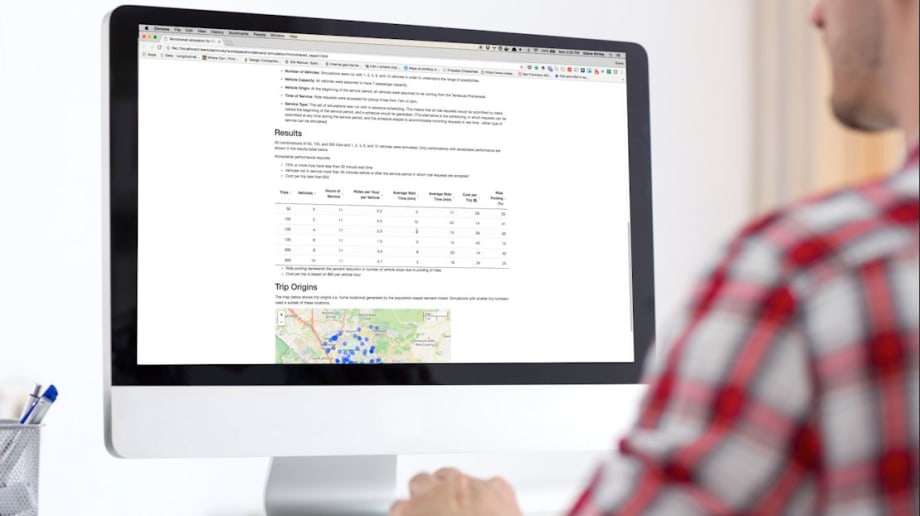
The MicroTransit Simulator helps transit agencies determine successful approaches to enhancing fixed-route services with new flexible transit alternatives to better serve their communities.
2 min to read
The MicroTransit Simulator helps transit agencies determine successful approaches to enhancing fixed-route services with new flexible transit alternatives to better serve their communities.
TransLoc announced the availability of a new predictive modeling service for rapid simulation of potential new demand-response transit services. Leveraging big data and proprietary, market-tested scheduling algorithms, the company’s new MicroTransit Simulator helps transit agencies determine successful approaches to enhancing fixed-route services with new flexible transit alternatives to better serve their communities, according to the company.
“The future of public transit hinges on shifting from a supply model to a demand model and embracing emerging modes to better serve, satisfy and grow ridership. Our MicroTransit Simulator helps agencies deploy new alternatives to fixed-transportation alternatives without risk,” said Rahul Kumar, VP, Growth, TransLoc.
The simulator helps transit agencies address:
What will the rider experience (such as wait and ride times) be with this service?
Which locales and how many rides can we serve with a given number of vehicles?
How can we adjust our microtransit services to accommodate fluctuating demand while keeping rider experience in mind?
How many vehicles should we use and how do we balance service quality and cost?
By answering these and other questions, agencies can more easily determine how best to design new flexible microtransit services that deliver an optimal rider experience — all while mitigating costly risks before putting a single vehicle on the road.
How Simulation Works
1. Simulating inputs: agency-customized rider demand and service design parameters.
2. Simulating service: schedules produced as though the service were actually running.
Simulating Inputs - Ride requests are simulated based on the best information available about where and when riders will need transit. The process of generating ride requests can be informed by multiple datasets, including census data, commuting data and origin/destination data the agency may have from existing services. Ride requests can be customized based on information an agency provides, or it can be generated entirely based on publicly available data for a particular region.
In addition to ride requests, service design parameters such as the number and type of vehicles in a fleet; hours of service; and vehicle capacity are also inputs to the service simulation. Rider demand and service parameters can be set to multiple values in a set of simulations to explore the range of possibilities.
Simulating Microtransit Service - The MicroTransit Simulator takes ride requests and service parameters and dynamically assigns rides to vehicles based on an algorithmic optimization — just as though the service were actually running. This harnesses the same TransLoc algorithm that is used in live microtransit services throughout the country. The output of the algorithm is a schedule of pickups and drop-offs for each vehicle and ride, from which performance metrics can be derived, just as they would be for reporting on a live service.
More New Mobility

From Hardware to Digital Partner: Luminator Charts Its Next Chapter
CEO Magnus Friberg discusses Luminator’s shift toward becoming a digital partner, the growing importance of software and interoperability, and how AI can help agencies improve operations and passenger experience.
Read More →
Biz Briefs: Alstom Lands Canadian Contract, LYT to Supply California TSP, and More
In METRO's latest installment, we take a look at recent news from Complete Coach Works, Beep, FlixBus, and more partnerships making headlines across the transportation sector.
Read More →
CharterUP’s Armir Harris on Technology, AI, and the Future of Group Mobility
In a recent episode of METROspectives, CharterUP Founder/CEO Armir Harris discussed the company’s evolution from an online charter bus marketplace into a technology platform supporting public- and private-sector mobility and much more.
Read More →
Jacksonville’s NAVI Project Charts a New Course for Autonomous Public Transportation
Through its NAVI program, JTA is showing how autonomous vehicles, intelligent infrastructure, and coordinated operations can work together to deliver everyday public transportation.
Read More →
Biz Briefs: Luminator Marks Milestone and More
From manufacturers and suppliers to transit agencies and motorcoach operators, these updates offer a snapshot of the projects, partnerships and business moves driving the industry forward.
Read More →
New Tricks for Old Bureaucracies: Joshua Schank on Making Transit Innovation Stick
Former LA Metro Chief Innovation Officer Joshua Schank discusses why good ideas aren't enough, how transit agencies can overcome resistance to change, and why today's challenges demand more innovation.
Read More →
How DART's GoPass Is Redefining Regional Mobility
Serving 14 transit agencies, GoPass simplifies multimodal travel by allowing riders to plan, pay for, and manage an entire trip through one app.
Read More →
Biz Briefs: OCTA Taps Clean Energy for Hydrogen Station, Stadler to Supply Via Rail Vehicles, and More
From manufacturers and suppliers to transit agencies and motorcoach operators, these updates offer a snapshot of the projects, partnerships and business moves driving the industry forward.
Read More →CharterUP Expands Into New Mobility and Autonomous Transportation
Vice President of New Mobility Stephen Joos discusses how CharterUP is leveraging its nationwide transportation network, technology platform, and autonomous vehicle partnerships to expand into workforce mobility, campus shuttles, and transit solutions.
Read More →
METRO Magazine Announces 2026 Innovative Solutions Awards Winners
Projects Recognized for Advancing Mobility Through Technology, Accessibility, Workforce Innovation, and Operational Excellence
Read More →