



TriMet launches INIT onboard fare collection
Part of the agency’s move from eliminating fare zones and establishing its base two-hour ticket. The cost of implementing the new ticket printers is $1.5 million.

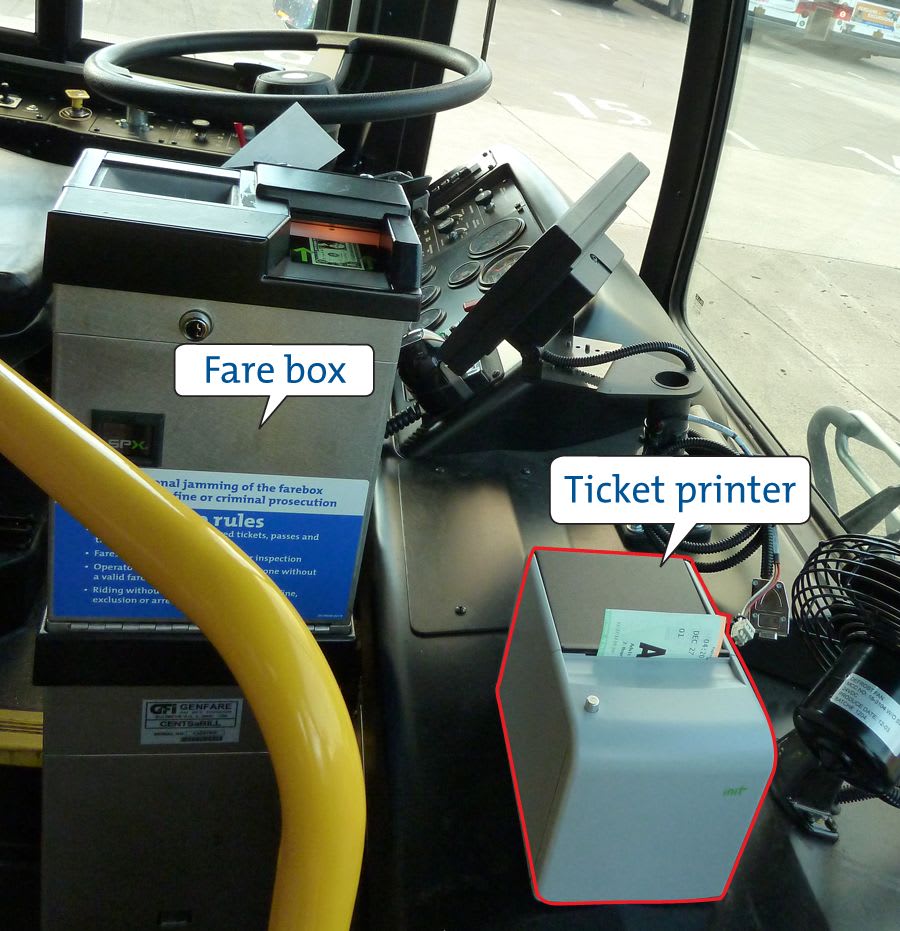

TriMet riders on lines 17 and 70 are noticing a difference when they purchase fares on the bus. Instead of being handed a hole-punched slip by the bus operator after putting cash or a ticket into the fare box, a more durable and legible ticket is popping out of a new onboard ticket printer. The bus tickets match those of MAX and WES, taking the confusion out of transferring. They have a foil security strip and are good for two hours.
“For years, most bus transfers have not matched those on the rail systems, but these new printers will ensure that bus riders will get a full two-hour ticket,” said TriMet Director of Revenue Operations Chris Tucker.
Unlike the ticket vending machines found on MAX and WES platforms, these printers are located inside the buses and are about the size of a toaster. They are produced by INIT, a leader in Intelligent Transportation Systems and fare collection systems.
Riders put the necessary fare into the fare box for either a two-hour ticket or a day pass, just as they usually do. Instead of tearing off a newsprint transfer receipt with the ticket type and day code punched out, the bus operator presses a button on the console for the corresponding fare. The ticket prints and pops up out of a slot on the top of the machine. The rider takes the ticket and proceeds with boarding. This system will be easier for operators and fare enforcers, and may speed up the boarding process for riders.
The ticket printers will be tested on the lines 17 and 70 for several weeks so TriMet staff can monitor the use and make any adjustments necessary. After that, the printers will go into use on all buses by July 1.
When TriMet eliminated zones and established its base two-hour ticket, the agency began exploring options to ensure bus tickets would be valid for the full two hours. The current tear-off transfers were not very precise in showing the valid time of the transfer. The cost of implementing the ticket printers is $1.5 million.
Separate from the ticket printers, TriMet will be piloting a new mobile ticket system in the coming months that was created by local software company GlobeSherpa. The TransitSherpa app will allow riders to buy and use tickets on their smartphones to ride buses, the MAX and WES. A beta test of the mobile ticketing app will launch by the end of April with a full systemwide launch expected sometime this summer.
More Bus
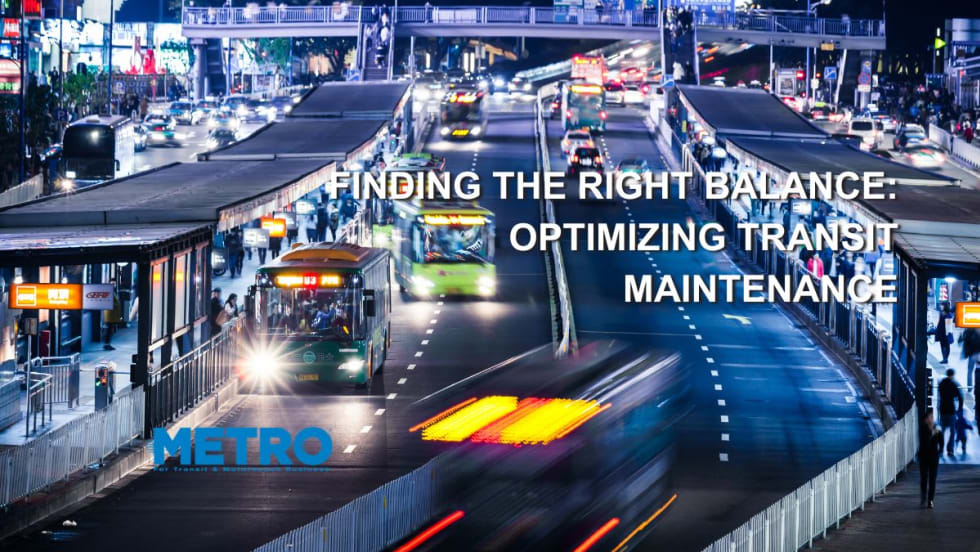
Finding the ‘Happy Medium’: Optimizing Maintenance Without Sacrificing Reliability
The key to maintenance optimization isn’t doing less work—it’s doing the right work at the right time on the right assets.
Read More →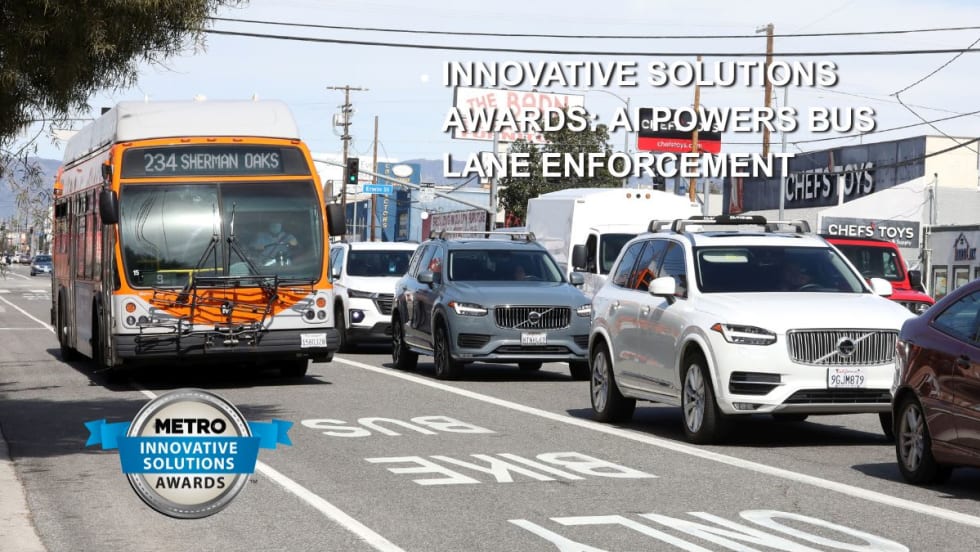
LA Metro, City of West Hollywood, and Partners Advance Smarter Bus Lane Enforcement
The award-winning partnership combines AI-powered detection with human oversight to improve bus reliability, accessibility, and enforcement efficiency.
Read More →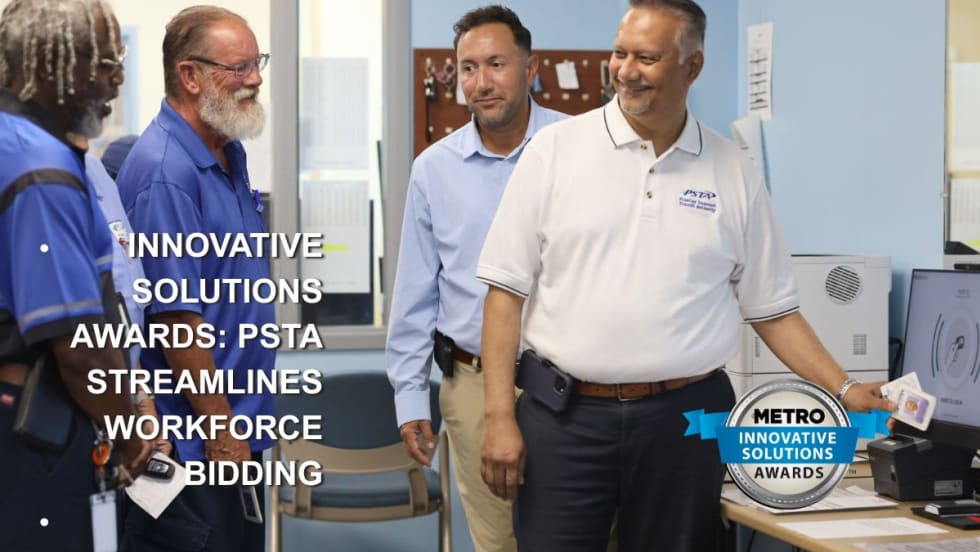
PSTA Modernizes Workforce Management with Digital Bidding System
The award-winning Workforce Transit Modernization project replaced paper bidding with a transparent digital platform, cutting administrative effort while improving access for operators.
Read More →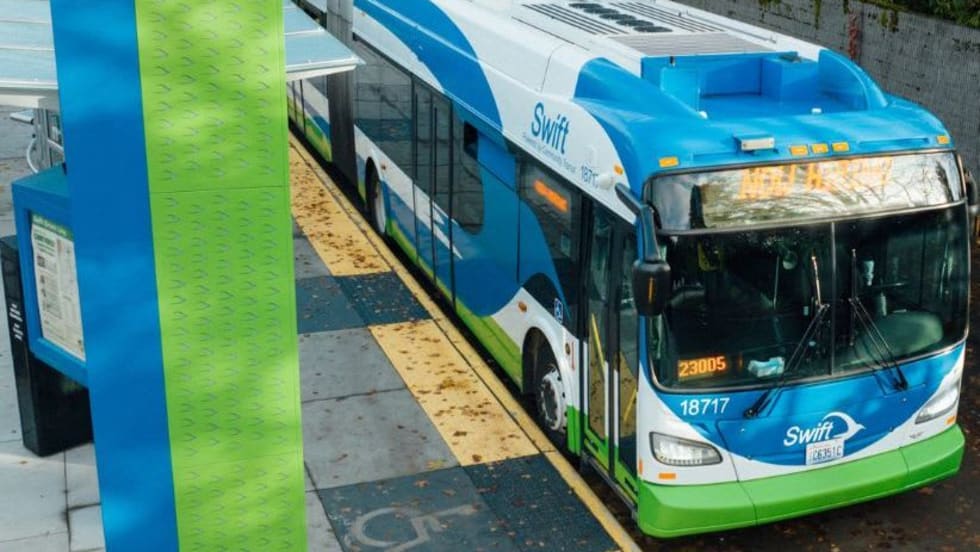
Washington's Community Transit Sets Six-Year Roadmap for Growth, Expansion
Approved TDP targets more bus service, new mobility options, Swift BRT expansion, and a potential Everett Transit annexation.
Read More →
DART Customer Satisfaction Reaches Six-Year High
Overall satisfaction rose to 74.9%, while the agency’s Net Promoter Score reached a record 33.7.
Read More →
How DART's GoPass Is Redefining Regional Mobility
Serving 14 transit agencies, GoPass simplifies multimodal travel by allowing riders to plan, pay for, and manage an entire trip through one app.
Read More →
Biz Briefs: OCTA Taps Clean Energy for Hydrogen Station, Stadler to Supply Via Rail Vehicles, and More
From manufacturers and suppliers to transit agencies and motorcoach operators, these updates offer a snapshot of the projects, partnerships and business moves driving the industry forward.
Read More →
METRO Magazine Announces 2026 Innovative Solutions Awards Winners
Projects Recognized for Advancing Mobility Through Technology, Accessibility, Workforce Innovation, and Operational Excellence
Read More →
Biz Briefs: STV teams with Amtrak, Motorcoach Operators Boost Fleet and Land Contracts, and More
From manufacturers and suppliers to transit agencies and motorcoach operators, these updates offer a snapshot of the projects, partnerships and business moves driving the industry forward.
Read More →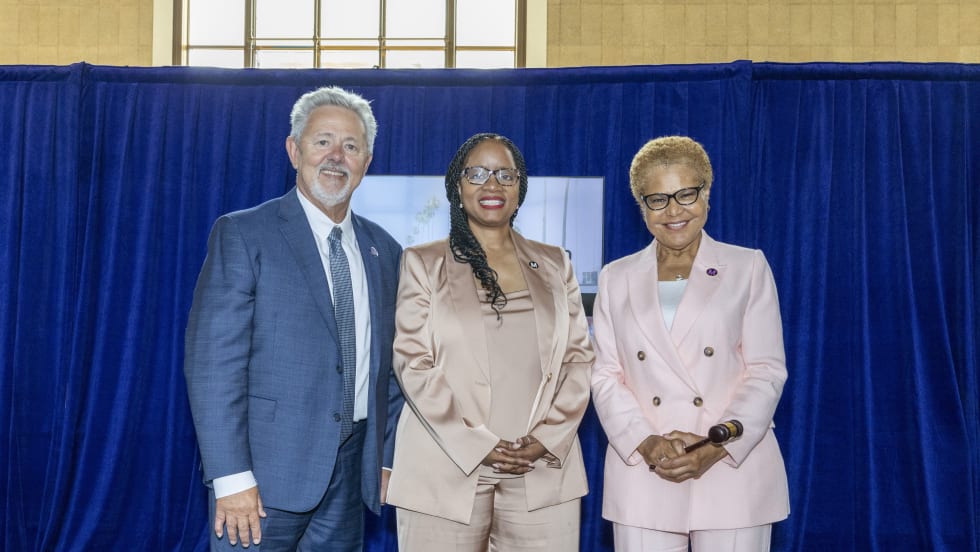
LA Metro Marks Banner Year, Sets Ambitious Goals for New Fiscal Year
Incoming LA Metro Board Chair and Los Angeles Mayor Karen Bass joined outgoing Board Chair Fernando Dutra and LA Metro CEO Stephanie Wiggins to review accomplishments from fiscal year 2026, which included the opening of new rail extensions, advancement of major transit projects, expanded safety programs, and new rider amenities.
Read More →