




Driverless, connected car testing site opens at U. of Michigan
U. of Mich. invests $1M in solving transportation challenges
The Michigan Translational Research and Commercialization Transportation program, in partnership with the Michigan Economic Development Corp., offers an avenue for U-M researchers and innovators to discover commercial opportunities to advance their projects out of the lab and into the market.
November 9, 2015
2 min to read
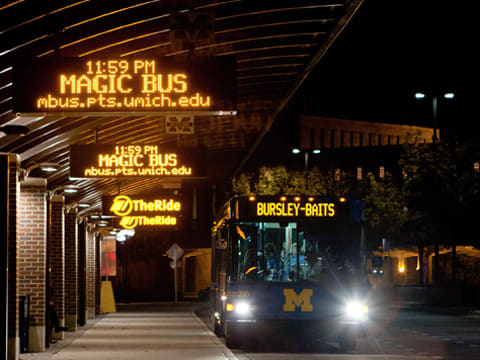
The University of Michigan (U-M) will award more than $1 million in grant funding to technologies that demonstrate high potential for solving transportation's toughest challenges.
The Michigan Translational Research and Commercialization (MTRAC) Transportation program, in partnership with the Michigan Economic Development Corp., offers an avenue for U-M researchers and innovators to discover commercial opportunities to advance their projects out of the lab and into the market.
In 2014, the MTRAC Transportation program, run jointly by U-M's Center for Entrepreneurship at the College of Engineering and Office of Technology Transfer, launched its first year of funding, awarding more than $470,000 to five U-M research projects with high commercial potential in the transportation space.
Working with MTRAC Transportation partners and staff, along with industry and investment experts, these projects found mobility applications that improve battery life, vehicle-to-vehicle communication, hybrid efficiency and more.
"By finding transportation applications for cutting-edge technologies, MTRAC Transportation-funded startups contribute to grow Michigan's role as an international industry leader and support economic development in the region," said MTRAC Transportation Program Director Jay Ellis, who leads the effort working with a board of investors and venture capitalists with special expertise in the transportation industry.
The program recently awarded funding to its second cohort of projects with more than $500,000 going toward a new round of U-M research teams that have demonstrated the high impact their technology could have on mobility. It is part of a comprehensive commercialization pipeline developed at U-M by the Center for Entrepreneurship and Office of Technology Transfer to ensure university technology has support at every stage in the path to reach the market.
Ellis and the MTRAC Transportation Board review annual applications and grant awardees up to $100,000 in funding for a 12-month period. Past teams, such as Movellus Circuits and Elegus Technologies, have made significant strides in their attempt to innovate the transportation industry.
Among the second cohort of projects, grants were awarded to the AirMetrics and the Bendable Concrete Railroad Tie teams.
"When we evaluate the impact of MTRAC," said CFE Executive Director, Tom Frank, "We will be looking at the strength of companies we were able to create in Michigan that may never have existed without this program. Finding ways to commercialize our cutting edge research and make a meaningful difference in the creation of new jobs is our most important challenge."
MTRAC Transportation will accept new applications beginning January 2016.
More Bus
Brian Dickson on Building Stronger, More Resilient Transportation Organizations
Bus Business Consultants Founder Brian Dickson discusses the leadership principles, operational discipline, and strategic planning that separate transportation companies positioned for long-term success from those stuck in survival mode.
Read More →
LA Metro Breaks Ground on Vermont BRT Project
The 12.4-mile corridor is projected to serve 66,200 daily riders, reduce travel times by up to 24%, and create the nation's busiest bus rapid transit corridor.
Read More →
Roman Cornell on ABC Companies’ Evolution and the Future of Passenger Transportation
The company’s CEO discusses carrying forward a third-generation family legacy, ABC’s continued evolution in passenger transportation, support for increasingly complex fleets, and how technology and continued investment could help operators improve uptime.
Read More →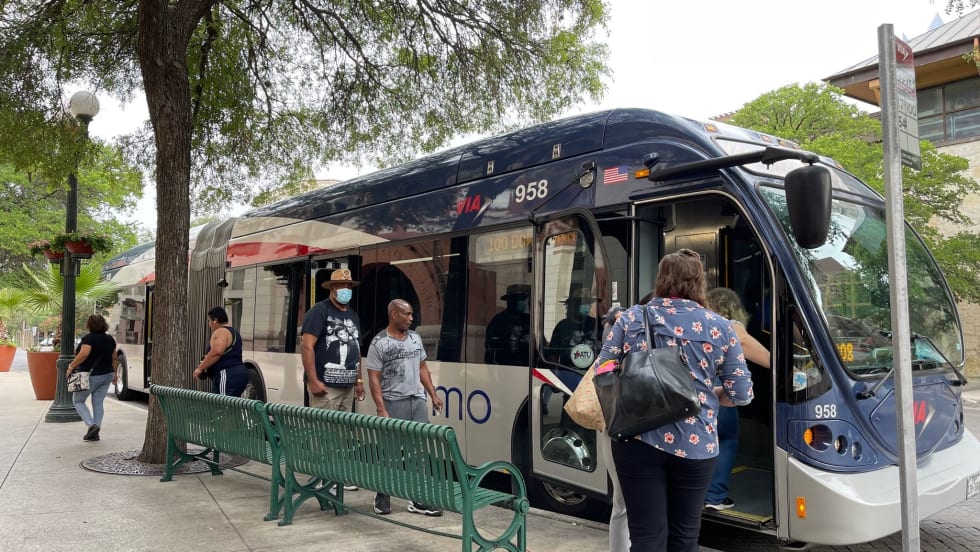
VIA Bus Ridership Grows 10.1% Through August 2026
San Antonio's VIA Metropolitan Transit reported the highest bus ridership growth among major Texas transit systems. Federal Transit Administration data ranked it second among the nation's 50 largest transit systems.
Read More →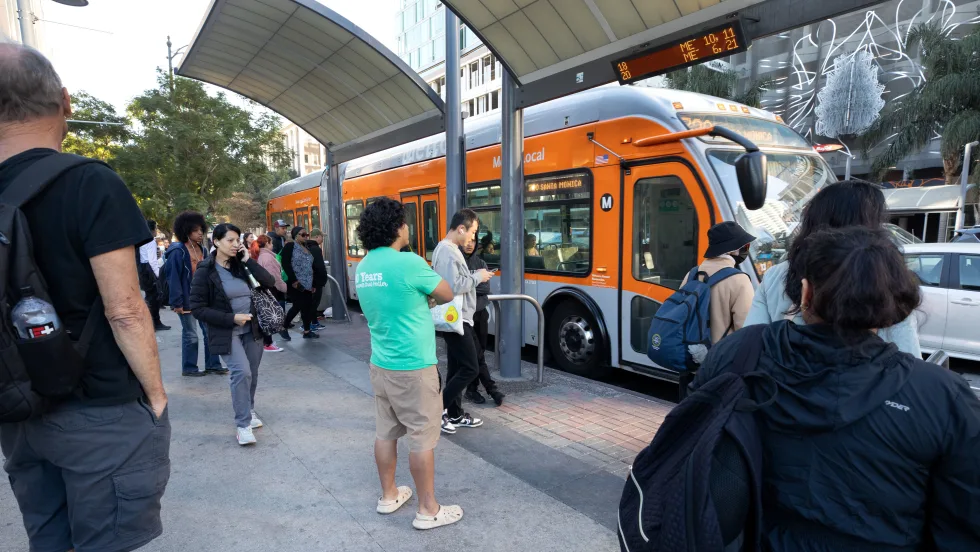
LA Metro September Ridership Climbs 3.9%, Led by Rail Growth
The agency recorded more than 27.2 million boardings, with rail ridership increasing 12.4% year over year and the D Line posting the largest gains.
Read More →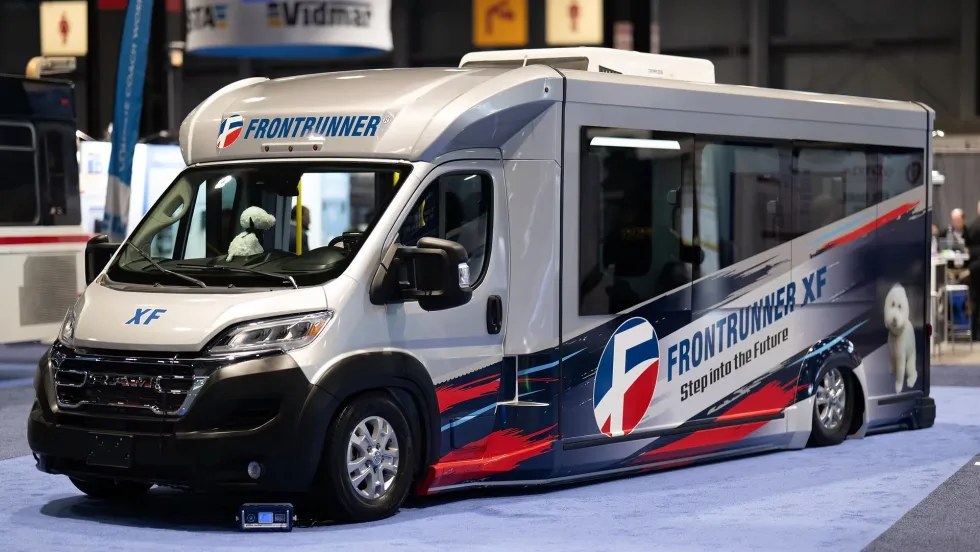
Frontrunner Bus Group Introduces XF Low-Floor Bus with Enhanced Accessibility
The new mid-sized bus features a full flat-floor design, eight-inch curbside step-in height, and zero-entry rear ramp to improve passenger access and operational flexibility.
Read More →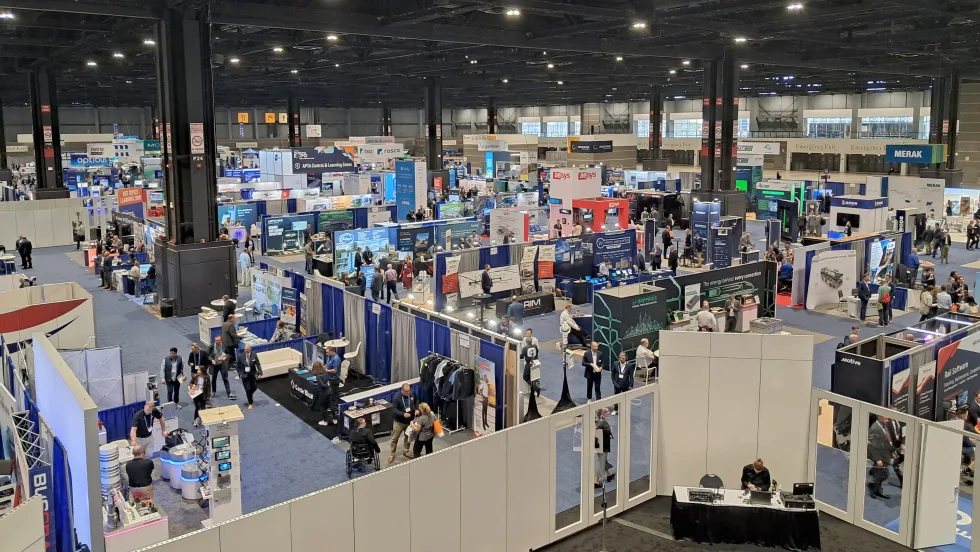
Scenes from APTA TRANSform & EXPO 2026
Transit leaders, manufacturers, and industry professionals gathered in Chicago to explore new technologies, share ideas, and discuss the future of public transportation.
Read More →
More Than a Summer Job: Building the Next Generation of Transit Talent
The Delaware River Port Authority and PATCO have transformed their internship program into a hands-on professional development experience that introduces students to the breadth of transportation careers — and creates a pipeline for future employees.
Read More →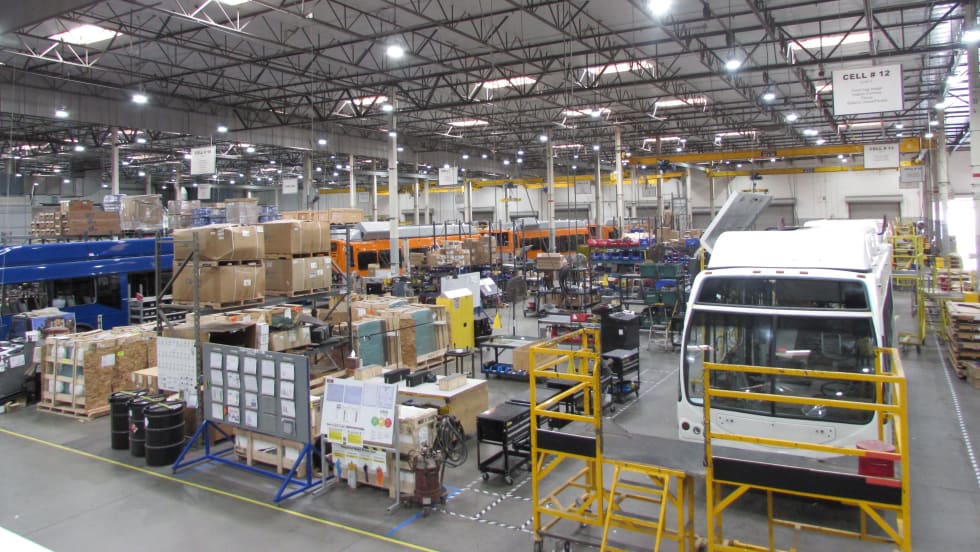
LA Metro Board Awards 220 Battery-Electric Bus Contract to ENC
The contract, which is the largest base award of battery-electric buses by a U.S. transit agency, will be built in Southern California, sustaining good jobs as LA prepares to welcome the world in 2028
Read More →
Public Transit Conference Returning to GFX in 2027, Call for Papers Now Open
The Call for Papers is now open, allowing transit agency professionals and industry experts to help shape the PTC educational program by submitting session ideas for consideration.
Read More →