



U.S. DOT announces $600M in TIGER II grants
Forty-two capital construction projects and 33 planning projects in 40 states were awarded funding. Nearly 1,000 construction grant applications for more than $19 billion were submitted from all 50 states, U.S. territories and the District of Columbia.

Forty-two capital construction projects and 33 planning projects in 40 states will share nearly $600 million from the U.S. Department of Transportation’s (U.S. DOT) TIGER II program for major infrastructure projects ranging from highways and bridges to transit, rail and ports, Secretary Ray LaHood announced on Wednesday.
Transportation Investment Generating Economic Recovery (TIGER) II received nearly 1,000 construction grant applications for more than $19 billion from all 50 states, U.S. territories and the District of Columbia.
The tremendous demand for TIGER II project dollars follows a similar demand for TIGER I project dollars. On February 17, 2009, the U.S. DOT announced 51 grant awards from nearly 1,500 applications for TIGER I grants nationwide. The TIGER I requests were for almost $60 billion worth of projects, 40 times the $1.5 billion available under that program. TIGER I dollars were made available under the American Recovery and Reinvestment Act of 2009.
“These are innovative, 21st century projects that will change the U.S. transportation landscape by strengthening the economy and creating jobs, reducing gridlock and providing safe, affordable and environmentally sustainable transportation choices,” said Sec. LaHood. “Many of these projects could not have been funded without this program.”
Roughly 29 percent of TIGER II money goes for road projects, 26 percent for transit, 20 percent for rail projects, 16 percent for ports, four percent for bicycle and pedestrian projects and five percent for planning projects.
An example of projects funded is $47.6 million to the City of Atlanta to construct a new streetcar line connecting many of the most important downtown residential, cultural, educational and historic centers.
TIGER II also provided $20 million to the New Hampshire Department of Transportation to replace the deteriorating Memorial Bridge that connects Portsmouth, N.H. with Kittery, Maine. The bridge is at the end of its service life and has a bridge sufficiency rating of six out of 100. Safety concerns recently required a maximum three-ton weight restriction on the bridge, causing all truck traffic to be detoured.
In addition, TIGER II funds are being used to support a $546 million Transportation Infrastructure Finance and Innovation Act (TIFIA) loan for the Los Angeles County Metropolitan Transportation Authority to build the Crenshaw/LAX Light Rail Line, a key piece of Mayor Antonio Villaraigosa’s 30/10 initiative to construct 12 major transit projects in 10 years rather than 30.
Under TIGER II, more than $140 million is reserved for projects in rural areas.
As a competitive program, TIGER II is able to fund the best projects from around the country. Using merit-based evaluation criteria allows the U.S. DOT to address some of the nation’s most critical challenges, such as sustainability and economic competitiveness.
This marks the first time that the U.S. Departments of Transportation and Housing and Urban Development (HUD) have joined together in awarding grants for localized planning activities that ultimately lead to projects that integrate transportation, housing and urban development. Almost 700 applicants sought up to $35 million in TIGER II planning grants and up to $40 million in HUD Sustainable Community Challenge Grants. HUD’s funds can be used for localized planning efforts, such as development around a transit stop and zone or building code updates and improvements. The two Departments, along with assistance from the Environmental Protection Agency and the U.S. Department of Agriculture, participated in the evaluation of the planning grant applications.
To ensure the important investments made by the Recovery Act continue, President Obama recently announced a comprehensive infrastructure investment plan that would be front-loaded with $50 billion to expand and renew America’s roads, railways and runways. To learn more about President Obama’s infrastructure investment plan, click here.
TIGER II grants were awarded to projects that have a significant impact on the nation, a region or metropolitan area. The projects chosen demonstrate their ability to contribute to the long-term economic competitiveness of the nation, improve the condition of existing transportation facilities and systems, increase energy efficiency and reducing greenhouse gas emissions, improve the safety of U.S. transportation facilities and/or enhance the quality of living and working environments of communities through increased transportation choices and connections. The U.S. DOT also gave priority to projects that are expected to create and preserve jobs quickly and stimulate rapid increases in economic activity.
A complete list of capital grant recipients can be viewed here.
A complete list of planning grant recipients can be viewed here.
More Bus
Brian Dickson on Building Stronger, More Resilient Transportation Organizations
Bus Business Consultants Founder Brian Dickson discusses the leadership principles, operational discipline, and strategic planning that separate transportation companies positioned for long-term success from those stuck in survival mode.
Read More →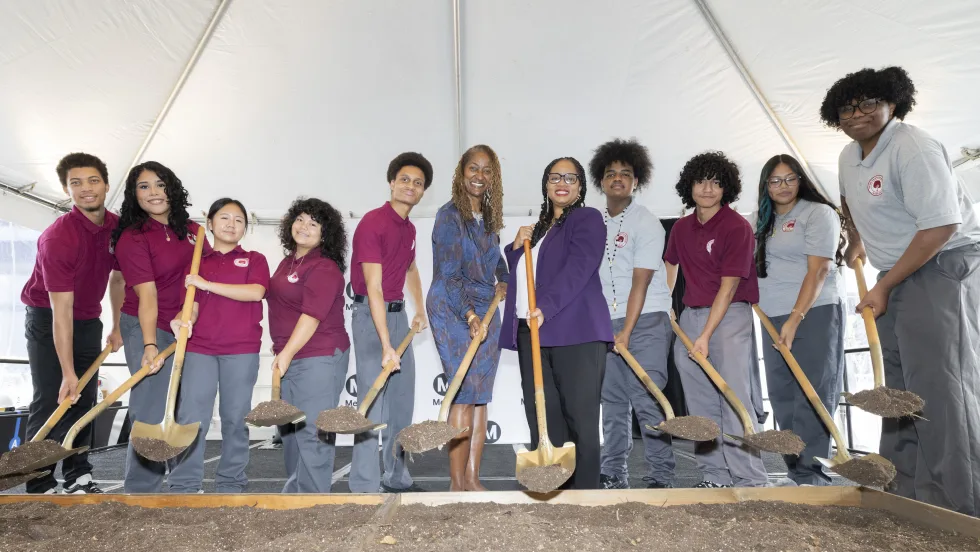
LA Metro Breaks Ground on Vermont BRT Project
The 12.4-mile corridor is projected to serve 66,200 daily riders, reduce travel times by up to 24%, and create the nation's busiest bus rapid transit corridor.
Read More →
Roman Cornell on ABC Companies’ Evolution and the Future of Passenger Transportation
The company’s CEO discusses carrying forward a third-generation family legacy, ABC’s continued evolution in passenger transportation, support for increasingly complex fleets, and how technology and continued investment could help operators improve uptime.
Read More →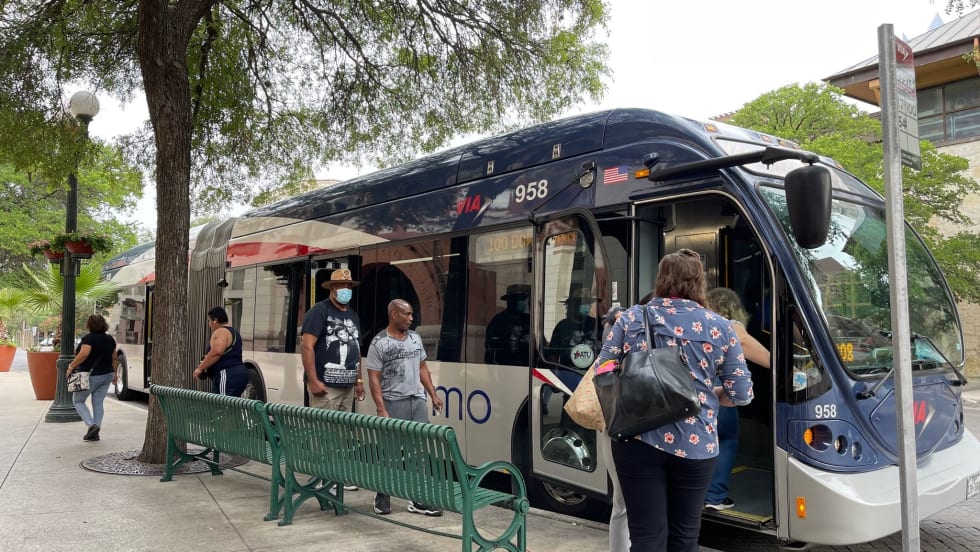
VIA Bus Ridership Grows 10.1% Through August 2026
San Antonio's VIA Metropolitan Transit reported the highest bus ridership growth among major Texas transit systems. Federal Transit Administration data ranked it second among the nation's 50 largest transit systems.
Read More →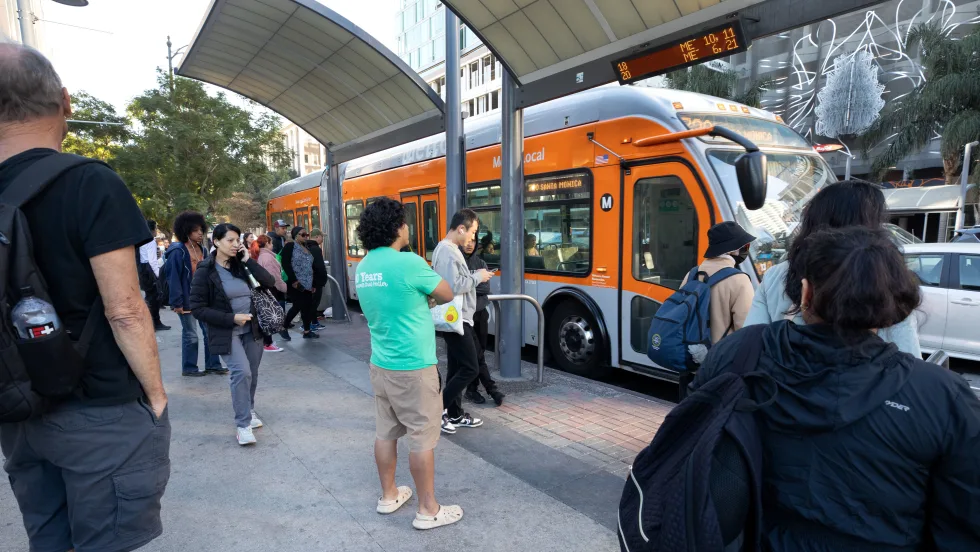
LA Metro September Ridership Climbs 3.9%, Led by Rail Growth
The agency recorded more than 27.2 million boardings, with rail ridership increasing 12.4% year over year and the D Line posting the largest gains.
Read More →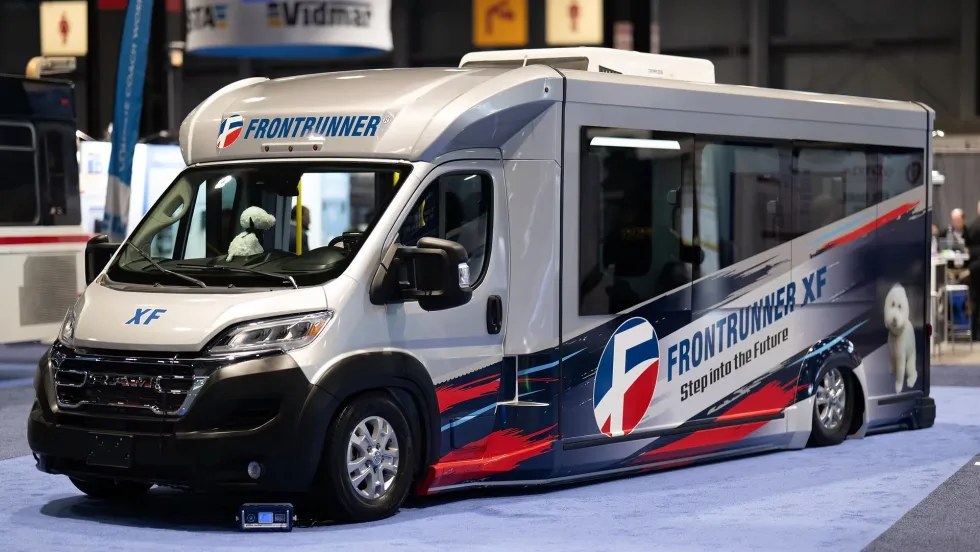
Frontrunner Bus Group Introduces XF Low-Floor Bus with Enhanced Accessibility
The new mid-sized bus features a full flat-floor design, eight-inch curbside step-in height, and zero-entry rear ramp to improve passenger access and operational flexibility.
Read More →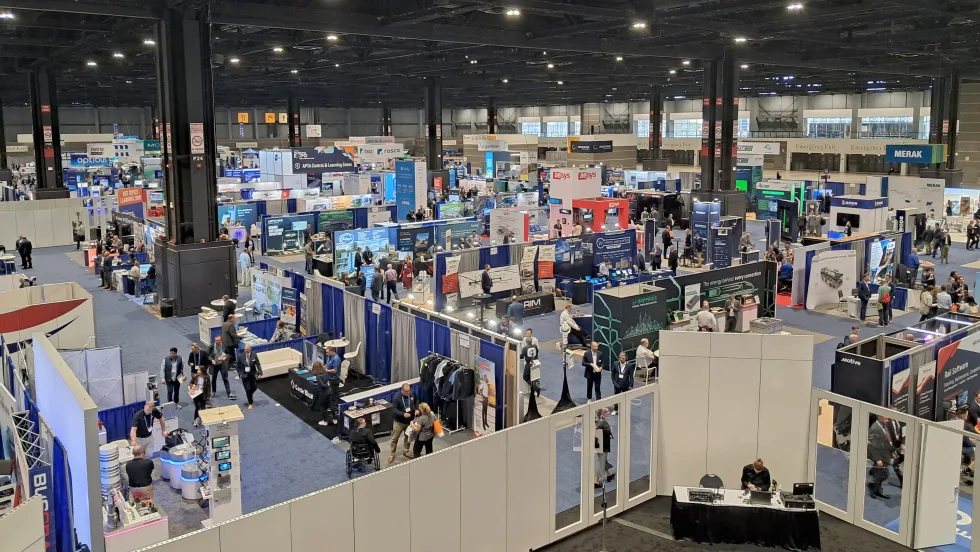
Scenes from APTA TRANSform & EXPO 2026
Transit leaders, manufacturers, and industry professionals gathered in Chicago to explore new technologies, share ideas, and discuss the future of public transportation.
Read More →
More Than a Summer Job: Building the Next Generation of Transit Talent
The Delaware River Port Authority and PATCO have transformed their internship program into a hands-on professional development experience that introduces students to the breadth of transportation careers — and creates a pipeline for future employees.
Read More →
LA Metro Board Awards 220 Battery-Electric Bus Contract to ENC
The contract, which is the largest base award of battery-electric buses by a U.S. transit agency, will be built in Southern California, sustaining good jobs as LA prepares to welcome the world in 2028
Read More →
Public Transit Conference Returning to GFX in 2027, Call for Papers Now Open
The Call for Papers is now open, allowing transit agency professionals and industry experts to help shape the PTC educational program by submitting session ideas for consideration.
Read More →