




RELATED: Automated, Connected Vehicle Tech Promising for Transit Agencies
U.S. DOT issues policy for testing, deployment of automated vehicles
Vehicle performance guidance uses a 15-point Safety Assessment to set clear expectations for manufacturers developing and deploying automated vehicle technologies.
September 22, 2016
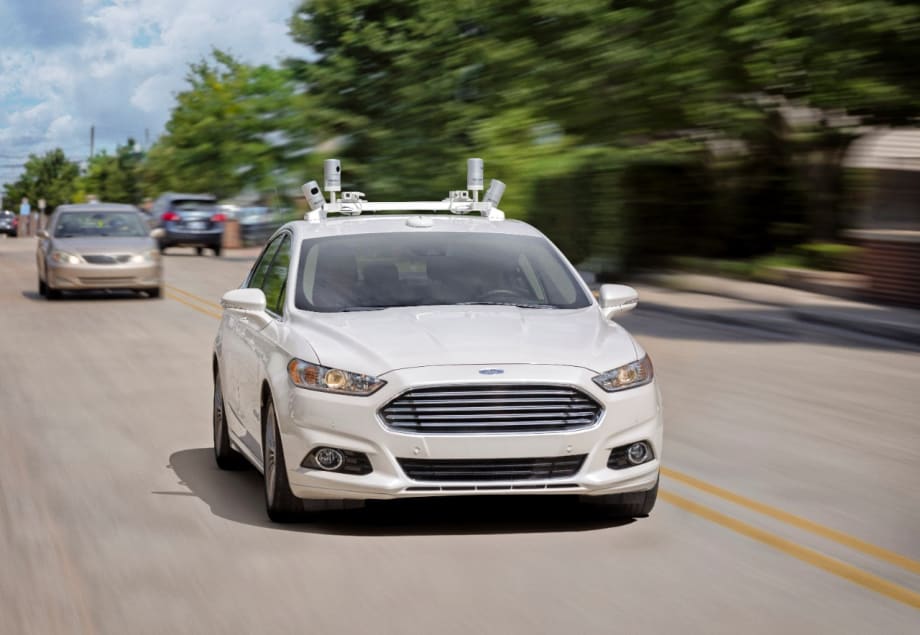
Ford
3 min to read
Ford
The U.S. Department of Transportation (U.S. DOT) is issuing Federal policy for automated vehicles, laying a path for the safe testing and deployment of new auto technologies that have enormous potential for improving safety and mobility for Americans on the road.
“Automated vehicles have the potential to save thousands of lives, driving the single biggest leap in road safety that our country has ever taken,” said U.S. Transportation Secretary Anthony Foxx. “This policy is an unprecedented step by the federal government to harness the benefits of transformative technology by providing a framework for how to do it safely.”
The policy sets a proactive approach to providing safety assurance and facilitating innovation through four key parts. Vehicle performance guidance uses a 15-point Safety Assessment to set clear expectations for manufacturers developing and deploying automated vehicle technologies. Model state policy delineates the Federal and State roles for the regulation of highly automated vehicle technologies as part of an effort to build a consistent national framework of laws to govern self-driving vehicles.
Finally, the policy outlines options for the further use of current federal authorities to expedite the safe introduction of highly automated vehicles into the marketplace, as well as discusses new tools and authorities the federal government may need as the technology evolves and is deployed more widely
“Ninety-four percent of crashes on U.S. roadways are caused by a human choice or error,” said NHTSA Administrator Dr. Mark Rosekind. “We are moving forward on the safe deployment of automated technologies because of the enormous promise they hold to address the overwhelming majority of crashes and save lives.”
The Federal Automated Vehicle Policy is a product of significant public input and stakeholder discussions, including two open public meetings this year and an open public docket for comments. The U.S. DOT is also soliciting additional public comments for the next 60 days on the policy, which is published at www.transportation.gov/AV. Through a series of next steps and in response to public comments, U.S. DOT intends to update the policy annually.
“Public input has been essential to getting this right. There has been a strong call from state and local governments, industry, safety experts, mobility advocates, and average Americans to establish a clear policy for the deployment of automated vehicles on our roads,” said Secretary Foxx. “There are huge upsides and significant challenges that come with automated vehicle technology, and we will continue the conversation with the public over the coming months and years as this technology develops.”
Moving beyond the traditional U.S. auto regulation approach of reactive, post-sale enforcement of safety standards, the policy is a proactive measure. A March 2016 study by U.S. DOT’s Volpe notes that current Federal Motor Vehicle Safety Standards do not directly address automated vehicle technologies. Those standards can take many years to develop and are traditionally only put into force after new technologies have made significant market penetration. Instead, the automated vehicle policy envisions greater transparency as U.S. DOT works with manufacturers to ensure that safety is appropriately addressed on the front-end of development.
“New technologies developed in the 20th century, like seat belts and air bags, were once controversial but have now saved hundreds of thousands of American lives,” Secretary Foxx said. “This is the first in a series of proactive approaches, including the release of a rule on Vehicle to Vehicle communications, which will bring lifesaving technologies to the roads safely and quickly while leaving innovators to dream up new safety solutions.”
More New Mobility

From Hardware to Digital Partner: Luminator Charts Its Next Chapter
CEO Magnus Friberg discusses Luminator’s shift toward becoming a digital partner, the growing importance of software and interoperability, and how AI can help agencies improve operations and passenger experience.
Read More →
Biz Briefs: Alstom Lands Canadian Contract, LYT to Supply California TSP, and More
In METRO's latest installment, we take a look at recent news from Complete Coach Works, Beep, FlixBus, and more partnerships making headlines across the transportation sector.
Read More →
CharterUP’s Armir Harris on Technology, AI, and the Future of Group Mobility
In a recent episode of METROspectives, CharterUP Founder/CEO Armir Harris discussed the company’s evolution from an online charter bus marketplace into a technology platform supporting public- and private-sector mobility and much more.
Read More →
Jacksonville’s NAVI Project Charts a New Course for Autonomous Public Transportation
Through its NAVI program, JTA is showing how autonomous vehicles, intelligent infrastructure, and coordinated operations can work together to deliver everyday public transportation.
Read More →
Biz Briefs: Luminator Marks Milestone and More
From manufacturers and suppliers to transit agencies and motorcoach operators, these updates offer a snapshot of the projects, partnerships and business moves driving the industry forward.
Read More →
New Tricks for Old Bureaucracies: Joshua Schank on Making Transit Innovation Stick
Former LA Metro Chief Innovation Officer Joshua Schank discusses why good ideas aren't enough, how transit agencies can overcome resistance to change, and why today's challenges demand more innovation.
Read More →
How DART's GoPass Is Redefining Regional Mobility
Serving 14 transit agencies, GoPass simplifies multimodal travel by allowing riders to plan, pay for, and manage an entire trip through one app.
Read More →
Biz Briefs: OCTA Taps Clean Energy for Hydrogen Station, Stadler to Supply Via Rail Vehicles, and More
From manufacturers and suppliers to transit agencies and motorcoach operators, these updates offer a snapshot of the projects, partnerships and business moves driving the industry forward.
Read More →CharterUP Expands Into New Mobility and Autonomous Transportation
Vice President of New Mobility Stephen Joos discusses how CharterUP is leveraging its nationwide transportation network, technology platform, and autonomous vehicle partnerships to expand into workforce mobility, campus shuttles, and transit solutions.
Read More →
METRO Magazine Announces 2026 Innovative Solutions Awards Winners
Projects Recognized for Advancing Mobility Through Technology, Accessibility, Workforce Innovation, and Operational Excellence
Read More →