



University campuses lead way in reducing driving
New report describes how universities are improving their communities by providing a wider range of transportation choices, including buses, biking and various types of vehicle-sharing.

As Millennials lead a national shift away from driving, universities like Oregon State University and the city of Corvallis are giving students new options for getting around and becoming innovators in transportation policy, according to a new report released today. The report, titled, “A New Course: How Innovative University Programs Are Reducing Driving on Campus and Creating New Models for Transportation Policy,” was released by OSPIRG Foundation.
“Here in Oregon and across America, colleges and universities are showing that efforts to meet increased demand for transportation options deliver powerful benefits for their community and surrounding areas," said OSPIRG Foundation's Evan Preston. “These efforts are saving money for universities, and improving the quality of life on campus.”
Americans aged 16 to 34 years of age reduced their annual driving miles by 23 percent per person between 2001 and 2009, according to research based on the most recent data from the Federal Highway Administration that is included in the study.
As Baby Boomers grow older, Millennials have become America’s largest generation. Since government investments in transportation infrastructure often last decades, the question of whether current investment will match the needs of future travelers depends largely on how well Millennials’ preferences will be met.
“University and college campuses are at the forefront of encouraging news ways to get around that don’t depend on personal cars. Public officials who want to stay ahead of the curve should be taking notes,” said Preston.
The report describes how universities are improving their communities by providing a wider range of transportation choices. This includes buses, biking, various types of vehicle-sharing that makes it easier not to have a personal car, and convenient apps that make it easier to navigate the options. The report also documents how campuses seek to avoid the steep costs of building additional parking facilities.
“Universities have a lot in common with cities,” added Preston. “They must get the most value out of limited land, they are acutely aware of problems associated with being overrun by cars; and they need to focus on the tastes and aspirations of young people. It’s no wonder that universities are leaders in finding successful ways to make it easier for people to drive less.”
Find the full report here: “New Course: How Innovative University Programs Are Reducing Driving on Campus and Creating New Models for Transportation Policy.”
More Bus
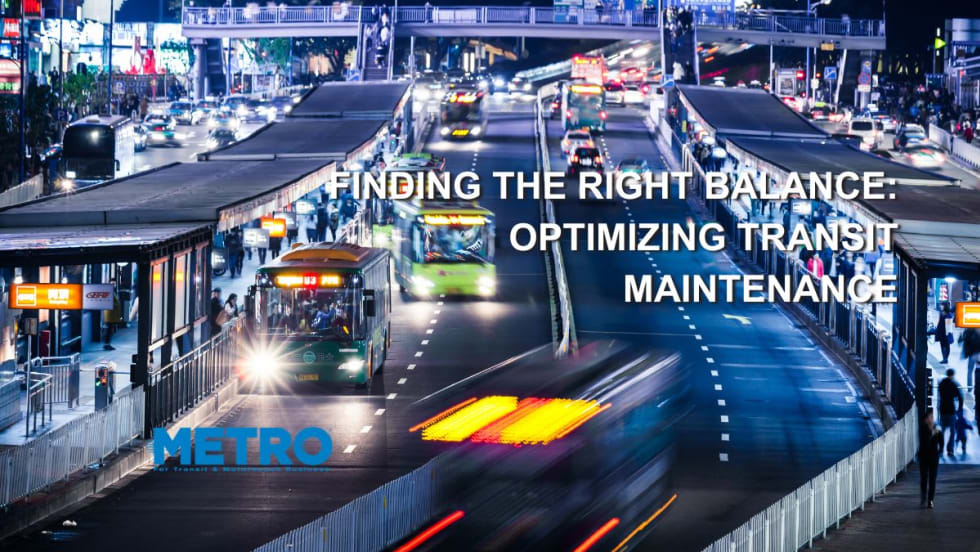
Finding the ‘Happy Medium’: Optimizing Maintenance Without Sacrificing Reliability
The key to maintenance optimization isn’t doing less work—it’s doing the right work at the right time on the right assets.
Read More →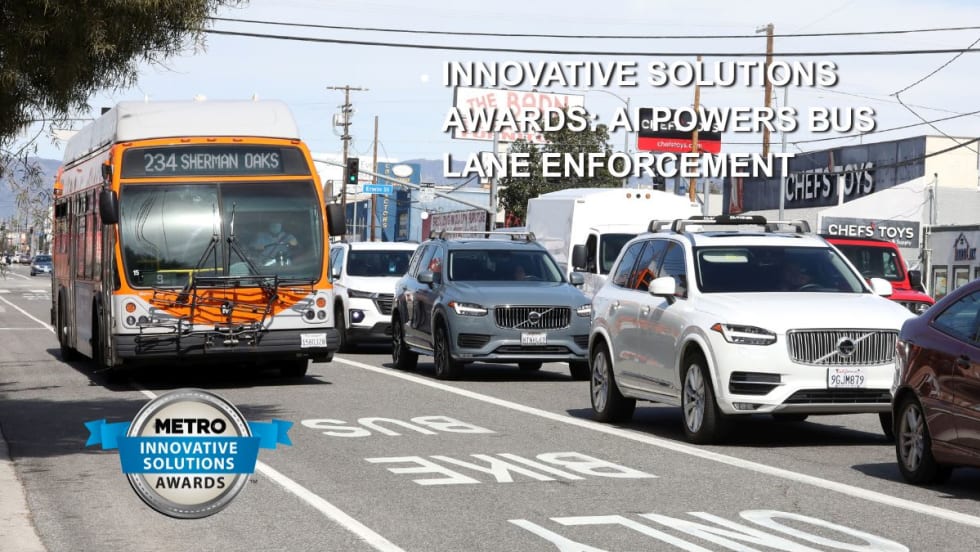
LA Metro, City of West Hollywood, and Partners Advance Smarter Bus Lane Enforcement
The award-winning partnership combines AI-powered detection with human oversight to improve bus reliability, accessibility, and enforcement efficiency.
Read More →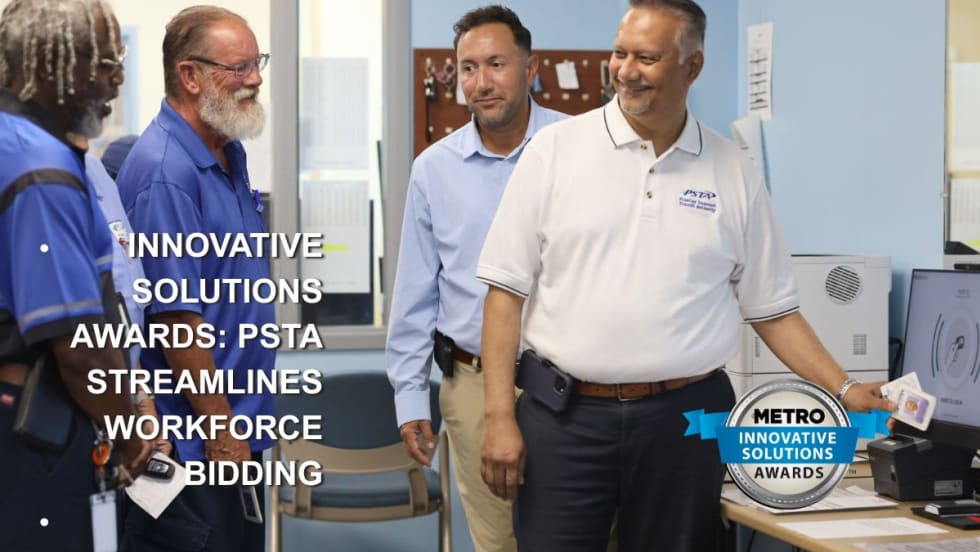
PSTA Modernizes Workforce Management with Digital Bidding System
The award-winning Workforce Transit Modernization project replaced paper bidding with a transparent digital platform, cutting administrative effort while improving access for operators.
Read More →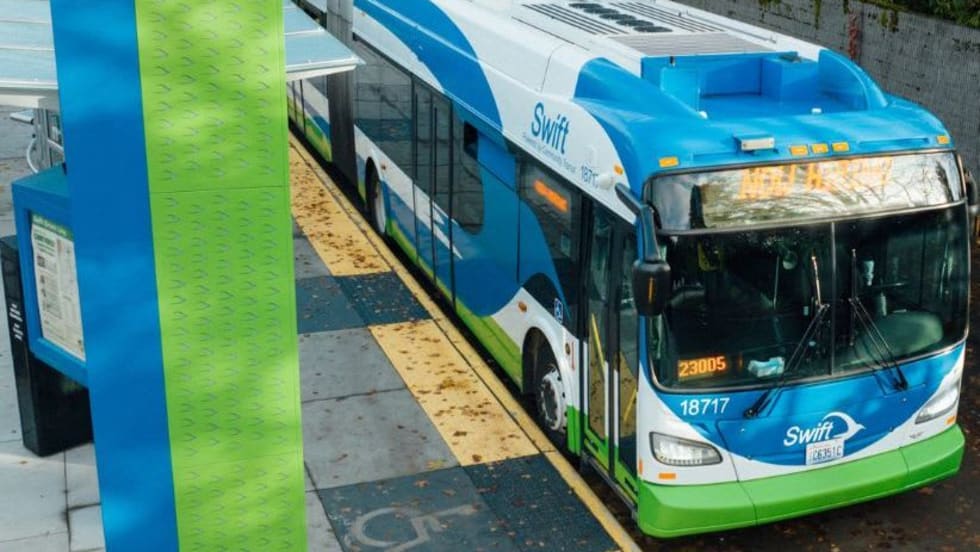
Washington's Community Transit Sets Six-Year Roadmap for Growth, Expansion
Approved TDP targets more bus service, new mobility options, Swift BRT expansion, and a potential Everett Transit annexation.
Read More →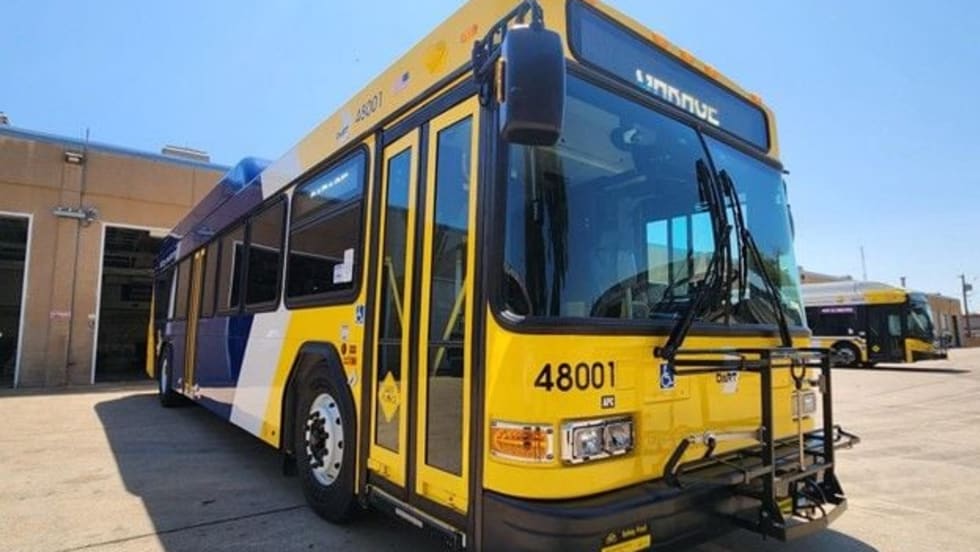
DART Customer Satisfaction Reaches Six-Year High
Overall satisfaction rose to 74.9%, while the agency’s Net Promoter Score reached a record 33.7.
Read More →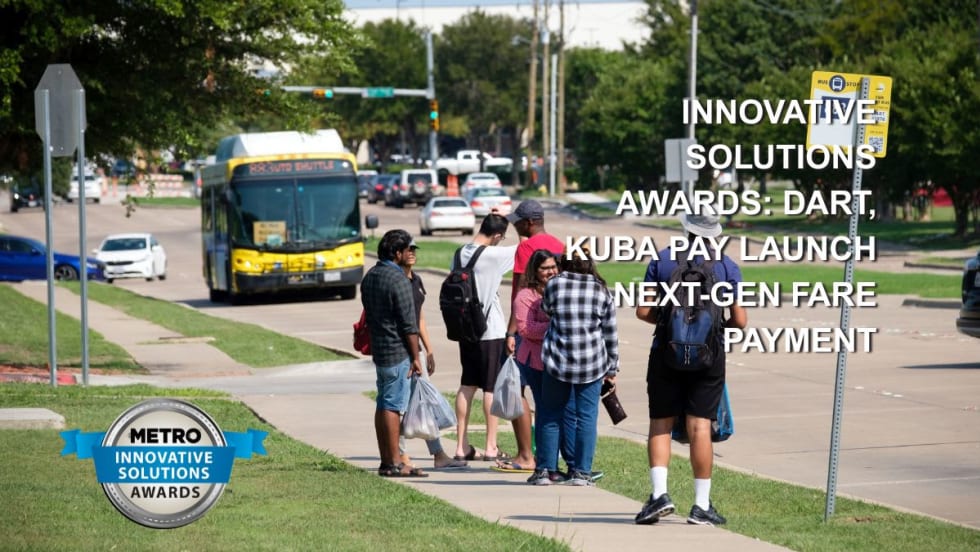
How DART's GoPass Is Redefining Regional Mobility
Serving 14 transit agencies, GoPass simplifies multimodal travel by allowing riders to plan, pay for, and manage an entire trip through one app.
Read More →
Biz Briefs: OCTA Taps Clean Energy for Hydrogen Station, Stadler to Supply Via Rail Vehicles, and More
From manufacturers and suppliers to transit agencies and motorcoach operators, these updates offer a snapshot of the projects, partnerships and business moves driving the industry forward.
Read More →
METRO Magazine Announces 2026 Innovative Solutions Awards Winners
Projects Recognized for Advancing Mobility Through Technology, Accessibility, Workforce Innovation, and Operational Excellence
Read More →
Biz Briefs: STV teams with Amtrak, Motorcoach Operators Boost Fleet and Land Contracts, and More
From manufacturers and suppliers to transit agencies and motorcoach operators, these updates offer a snapshot of the projects, partnerships and business moves driving the industry forward.
Read More →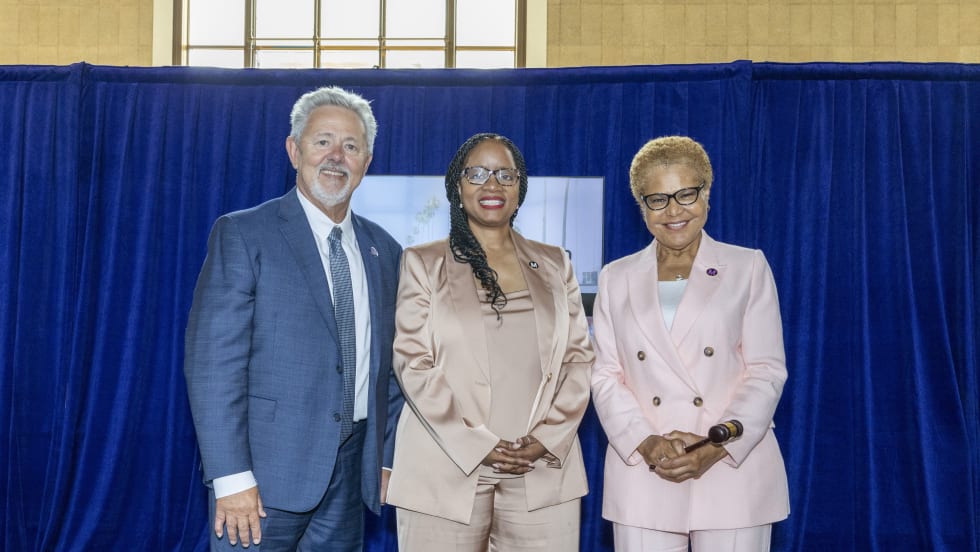
LA Metro Marks Banner Year, Sets Ambitious Goals for New Fiscal Year
Incoming LA Metro Board Chair and Los Angeles Mayor Karen Bass joined outgoing Board Chair Fernando Dutra and LA Metro CEO Stephanie Wiggins to review accomplishments from fiscal year 2026, which included the opening of new rail extensions, advancement of major transit projects, expanded safety programs, and new rider amenities.
Read More →