




Looking Back: GRTC Approves Pay Increase for Bus Operators
Virginia’s GRTC Makes Progress on Essential Transit Infrastructure Project
The agency makes steady progress on stop improvements, using equity data to guide where new shelters and amenities go next.
July 23, 2025
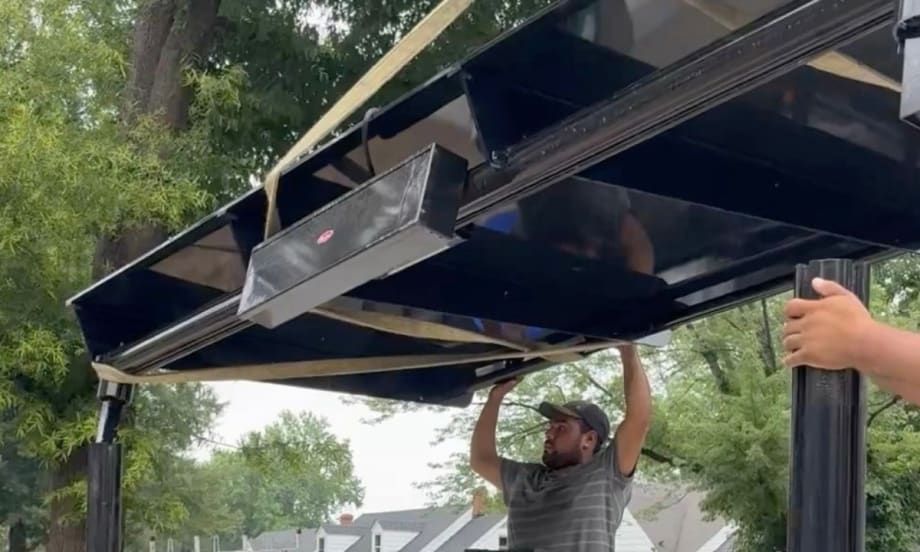
The Essential Transit Infrastructure project upgrades bus stops with seating, shelters, and ADA-compliant features in the Richmond region.
Photo: GRTC
2 min to read
The GRTC transit system, located in Richmond, Virginia, continues the groundwork to improve bus stops — all the way down to the concrete pads.
The agency’s Essential Transit Infrastructure (ETI) project focuses on installing new benches, shelters, and ADA-compliant features to better serve riders at bus stops throughout the City of Richmond, Henrico County, and Chesterfield County.
According to Katherine Long, project manager for the ETI initiative, GRTC made significant progress between April 18 and June 27, upgrading amenities at stops throughout the system. GRTC’s goal is for 50–75% of stops to have a shelter or seating by 2027. During this time, crews added:
5 new benches for a total of 58.
7 new shelters for a total of 31.
11 new trash cans for a total of 56.
Longs explained that shelter designs vary from stop to stop depending on the space and conditions at each location. Open-air glass or fully cantilevered shelters are used in areas with limited space or physical constraints because of their smaller footprint.
Where space allows, GRTC prefers to install three-sided shelters that offer better protection from rain, wind, and other elements.
Equity Guides Bus Stop Upgrade Priorities
Equity also plays a vital role in how GRTC prioritizes stops for upgrades.
Long noted that each stop is evaluated using an equity score, which considers the number of routes serving the stop, the longest wait times between buses, frequency relative to overall network coverage, and proximity to key community destinations like schools, libraries, and medical facilities.
The surrounding socioeconomic context is also considered, prioritizing areas where minority, low-income, or Limited English Proficiency populations exceed the system-wide average.
Long clarified that many of the shelters marked for removal have reached the end of their useful life and are being updated with more functional and modern designs to meet the needs of today’s riders better.
To help the public follow along with the five-year plan, GRTC also launched a public dashboard. The dashboard includes an installation status tracker and an interactive map showing which stops have been upgraded and which are scheduled next.
More Management

METRO Opens Submissions for 2026 Motorcoach Awards
Nominations are now being accepted for METRO Magazine’s Operator of the Year and Innovative Operator of the Year awards.
Read More →
New York MTA Advances Final Contract for Second Avenue Subway Expansion
Contract Four is the largest in the Second Avenue Subway Phase 2 project and includes construction of station infrastructure, tracks, and signals for the subway expansion, MTA officials said. Work on Contract Four will begin in 2027.
Read More →
Transit Agencies Highlight Safety Gains at National Summit
Leaders from 15 major transit systems shared crime-reduction results and safety initiatives while discussing the role of continued federal support.
Read More →

NITA Names New Leadership, Expands Reduced-Fare Program at First Board Meeting
The new regional transit authority appointed its first board chair and interim executive director while extending reduced fares across CTA, Metra, and Pace for eligible riders.
Read More →
Beyond the Checklist: A Structured Approach to Transit Maintenance
Reliability-Centered Maintenance helps transit agencies move beyond routine checklists to focus limited resources on the assets and failures that have the greatest impact on safety, reliability, and service.
Read More →
APTA 2026 Nominating Committee Selects Leadership Slate, Names Chair and Vice Chair Nominees
Leadership changes will help shape the association’s priorities and its representation of the transportation industry during the 2026–2027 term.
Read More →
DART Launches Major Security, Fare Enforcement Initiative
The 90-day demonstration will deploy coordinated security teams at five light rail stations while testing controlled access and gathering data to guide future investments.
Read More →
Sponsored•September 9, 2026
Advancing Fare Collection Through Technology and Innovation
Learn about delivering 1300 gates at 91 stations while managing fare evasion. Explore the large scale deployment, solution customization and real-world results that affect the region. Prepare for deployment in your region now.
Read More →
Game Day in Motion: Moving Millions During the 2026 World Cup
Between packed transit stations and team motorcoaches, see how agencies and operators across North America tackled the transportation demands of the 2026 FIFA World Cup.
Read More →
Surface Transportation Extension Averts Shutdown, Leaves Transit Funding Gap
The stopgap keeps federal transportation programs moving, but missing advance funding could complicate the transit and rail projects agencies are planning next.
Read More →