



Voith introduces a new electric-drive system for buses
The innovative and reliable drive offers impressive features such as intelligent energy management that maximizes efficiency.

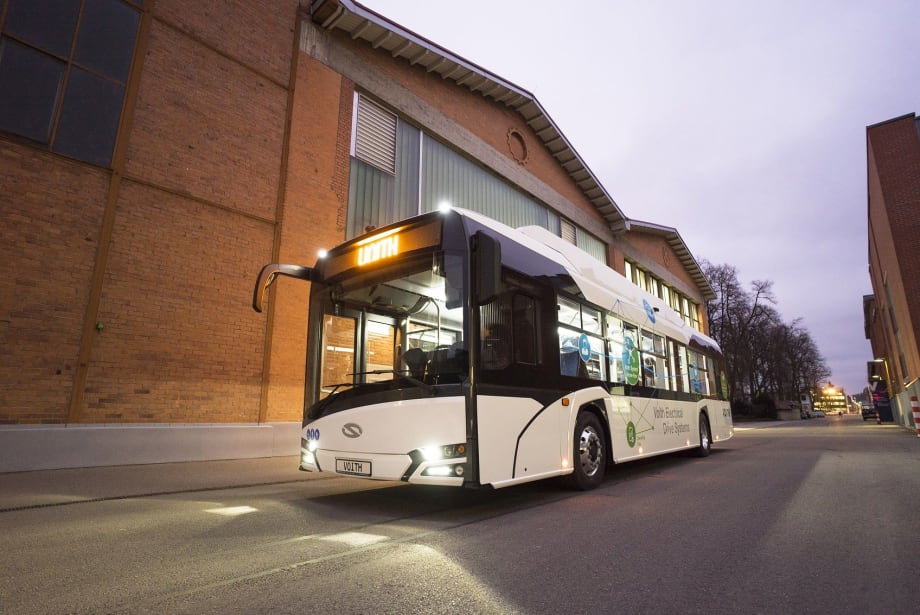
With a torque of 2,250 Newton meters and an output of 260 kilowatts, the liquid-cooled permanent magnet motor with high-efficiency inverter and smart energy management system provides outstanding driving performance and does not require a separate transmission.
Photos courtesy Voith
With a torque of 2,250 Newton meters and an output of 260 kilowatts, the liquid-cooled permanent magnet motor with high-efficiency inverter and smart energy management system provides outstanding driving performance and does not require a separate transmission.
Photos courtesy Voith
With its new electric drive system for buses, Voith delivers a well-balanced complete system and enters the growing market for e-mobility. The innovative and reliable drive offers impressive features such as intelligent energy management that maximizes efficiency.
The drive system was originally conceptualized as a prototype for a Solaris Urbino Bus, but it can be integrated into vehicles from other manufacturers without restrictions, according to the company.
"The achievable range primarily depends on the battery, which we acquire from an internationally renowned supplier," explained Jürgen Berger, project manager at Voith Turbo GmbH & Co. KG. "We are currently using a lithium-iron-phosphate battery. This battery offers the highest level of reliability, but the electric drive system is designed in such a way that it can work together with any battery technology."
With a torque of 2,250 Newton meters and an output of 260 kilowatts, the liquid-cooled permanent magnet motor with high-efficiency inverter and smart energy management system provides outstanding driving performance and does not require a separate transmission. The system can even efficiently operate heavy articulated buses. The compact design of the drive means that it is not only low in weight but also low in noise emissions and maintenance. The consistently employed lightweight design approach makes it possible to minimize any surplus weight, which in turn has a positive effect on energy consumption and consequently the achievable range.
In addition, the targeted brake force recuperation of the drive positively affects mileage. The fact that all components are cooled with water increases reliability and performance and makes it possible to reduce noise emissions during operation.
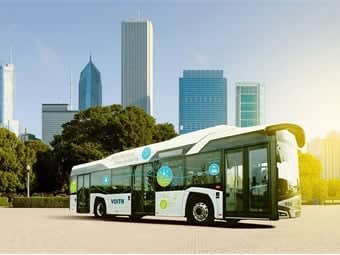
The Voith electric-drive system was originally conceptualized as a prototype for a Solaris Urbino Bus, but it can be integrated into vehicles from other manufacturers without restrictions, according to the company.
The range of the demonstrator bus currently exceeds approximately 125 miles. This corresponds to the total daily operation of a conventional city bus line. In the near future, this range is expected to increase thanks to further developments in battery technology.
Voith is expecting that by 2030, electric drives will have taken up a superior position in the bus fleets of transport operators compared to other drive solutions. Significant growth of the electro mobility market for buses is expected for all regions of the world. In the course of this, the city bus segment is only the first step toward an emission-free city, which will soon be followed by other segments of the transport sector.
More New Mobility

From Hardware to Digital Partner: Luminator Charts Its Next Chapter
CEO Magnus Friberg discusses Luminator’s shift toward becoming a digital partner, the growing importance of software and interoperability, and how AI can help agencies improve operations and passenger experience.
Read More →
Biz Briefs: Alstom Lands Canadian Contract, LYT to Supply California TSP, and More
In METRO's latest installment, we take a look at recent news from Complete Coach Works, Beep, FlixBus, and more partnerships making headlines across the transportation sector.
Read More →
CharterUP’s Armir Harris on Technology, AI, and the Future of Group Mobility
In a recent episode of METROspectives, CharterUP Founder/CEO Armir Harris discussed the company’s evolution from an online charter bus marketplace into a technology platform supporting public- and private-sector mobility and much more.
Read More →
Jacksonville’s NAVI Project Charts a New Course for Autonomous Public Transportation
Through its NAVI program, JTA is showing how autonomous vehicles, intelligent infrastructure, and coordinated operations can work together to deliver everyday public transportation.
Read More →
Biz Briefs: Luminator Marks Milestone and More
From manufacturers and suppliers to transit agencies and motorcoach operators, these updates offer a snapshot of the projects, partnerships and business moves driving the industry forward.
Read More →
New Tricks for Old Bureaucracies: Joshua Schank on Making Transit Innovation Stick
Former LA Metro Chief Innovation Officer Joshua Schank discusses why good ideas aren't enough, how transit agencies can overcome resistance to change, and why today's challenges demand more innovation.
Read More →
How DART's GoPass Is Redefining Regional Mobility
Serving 14 transit agencies, GoPass simplifies multimodal travel by allowing riders to plan, pay for, and manage an entire trip through one app.
Read More →
Biz Briefs: OCTA Taps Clean Energy for Hydrogen Station, Stadler to Supply Via Rail Vehicles, and More
From manufacturers and suppliers to transit agencies and motorcoach operators, these updates offer a snapshot of the projects, partnerships and business moves driving the industry forward.
Read More →CharterUP Expands Into New Mobility and Autonomous Transportation
Vice President of New Mobility Stephen Joos discusses how CharterUP is leveraging its nationwide transportation network, technology platform, and autonomous vehicle partnerships to expand into workforce mobility, campus shuttles, and transit solutions.
Read More →
METRO Magazine Announces 2026 Innovative Solutions Awards Winners
Projects Recognized for Advancing Mobility Through Technology, Accessibility, Workforce Innovation, and Operational Excellence
Read More →