



Volvo Cars launches new mobility brand
M is developing proprietary learning technology that asks users about their specific needs instead of merely informing them where they can pick up a car.


Volvo Cars

Volvo Cars
Volvo Cars is launching M — a new brand that will expand the company’s global mobility operations by providing dependable, on-demand access to cars and services through an intuitive app.
Additionally, M will learn about its user’s needs, preferences, and habits, personalizing the customer relationship. It will debut in Sweden and the U.S. in the spring of 2019.
“Volvo Cars is becoming more than just a car company. We recognize that urban consumers are rethinking traditional car ownership. M is part of our answer. We are evolving to become a direct-to-consumer services provider under our new mission ‘Freedom to Move,’” said Håkan Samuelsson, Volvo Cars president and chief executive.
M is developing proprietary learning technology that asks users about their specific needs instead of merely informing them where they can pick up a car.
“The services currently available mainly offer alternatives to a taxi or public transit,” said Bodil Eriksson, CEO of Volvo Car Mobility. “We’re focused on the way people use the cars they own, which sets us apart. We aim to provide a real alternative to that experience. It should enable us to live life on our terms, getting things done and maximizing precious time. We see the opportunity to offer a premium experience.’”
In addition to a “team of experienced and sought-after digital software engineers and leading talent,” M draws on 20 years of learnings and data from Sunfleet, Volvo Car Group’s car-sharing pioneer. Sunfleet is a car-sharing company in Sweden with 500,000 annual transactions and a fleet of 1,700 cars. It will be fully integrated into M in 2019, making the service available to all existing Sunfleet members.
“Mobility is undergoing a fundamental transformation and Volvo Cars is leading that change. The launch of M creates new sources of revenue for Volvo Cars and will be integral to the company’s ambition to build more than 5 million direct consumer relationships by the middle of the next decade,” said Samuelsson.
Further information about the M service will be released later this year, according to Volvo Cars.
More New Mobility

From Hardware to Digital Partner: Luminator Charts Its Next Chapter
CEO Magnus Friberg discusses Luminator’s shift toward becoming a digital partner, the growing importance of software and interoperability, and how AI can help agencies improve operations and passenger experience.
Read More →
Biz Briefs: Alstom Lands Canadian Contract, LYT to Supply California TSP, and More
In METRO's latest installment, we take a look at recent news from Complete Coach Works, Beep, FlixBus, and more partnerships making headlines across the transportation sector.
Read More →
CharterUP’s Armir Harris on Technology, AI, and the Future of Group Mobility
In a recent episode of METROspectives, CharterUP Founder/CEO Armir Harris discussed the company’s evolution from an online charter bus marketplace into a technology platform supporting public- and private-sector mobility and much more.
Read More →
Jacksonville’s NAVI Project Charts a New Course for Autonomous Public Transportation
Through its NAVI program, JTA is showing how autonomous vehicles, intelligent infrastructure, and coordinated operations can work together to deliver everyday public transportation.
Read More →
Biz Briefs: Luminator Marks Milestone and More
From manufacturers and suppliers to transit agencies and motorcoach operators, these updates offer a snapshot of the projects, partnerships and business moves driving the industry forward.
Read More →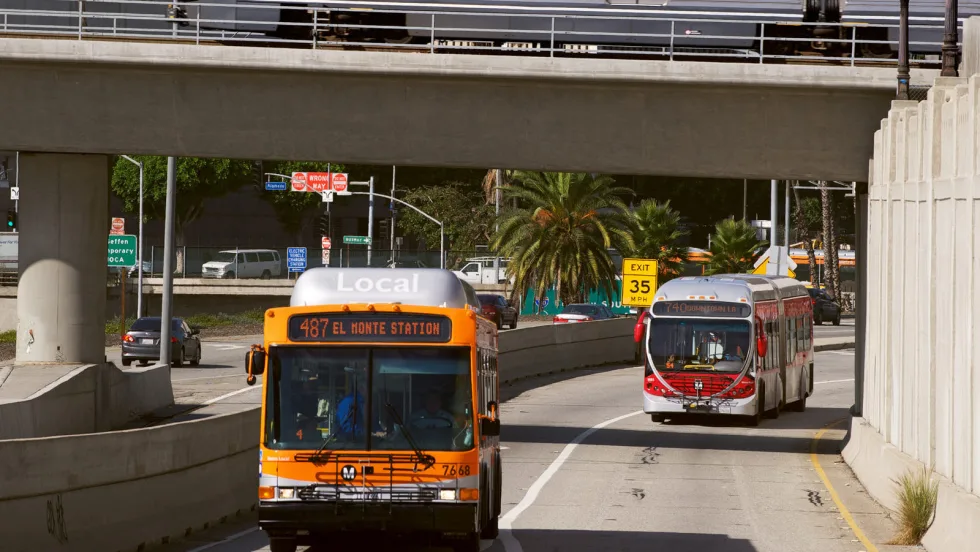
New Tricks for Old Bureaucracies: Joshua Schank on Making Transit Innovation Stick
Former LA Metro Chief Innovation Officer Joshua Schank discusses why good ideas aren't enough, how transit agencies can overcome resistance to change, and why today's challenges demand more innovation.
Read More →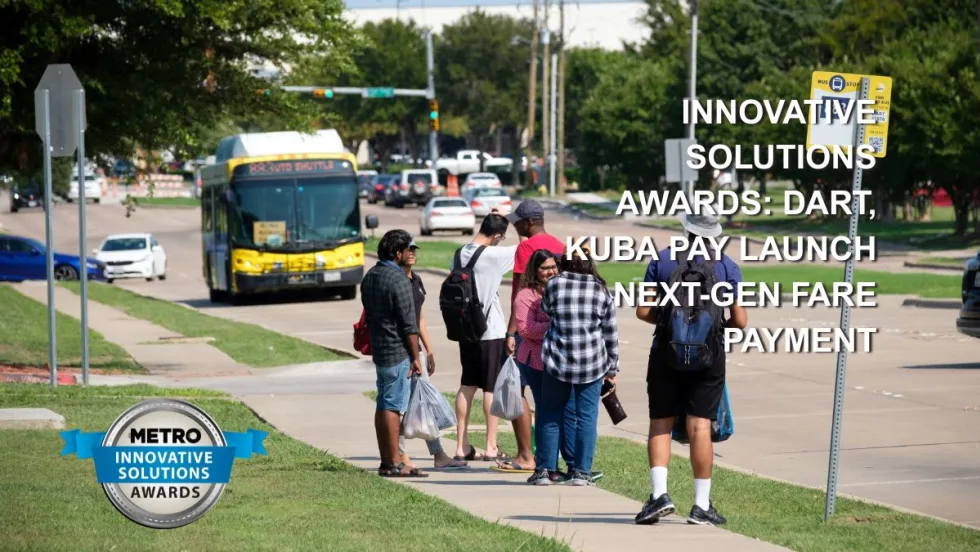
How DART's GoPass Is Redefining Regional Mobility
Serving 14 transit agencies, GoPass simplifies multimodal travel by allowing riders to plan, pay for, and manage an entire trip through one app.
Read More →
Biz Briefs: OCTA Taps Clean Energy for Hydrogen Station, Stadler to Supply Via Rail Vehicles, and More
From manufacturers and suppliers to transit agencies and motorcoach operators, these updates offer a snapshot of the projects, partnerships and business moves driving the industry forward.
Read More →CharterUP Expands Into New Mobility and Autonomous Transportation
Vice President of New Mobility Stephen Joos discusses how CharterUP is leveraging its nationwide transportation network, technology platform, and autonomous vehicle partnerships to expand into workforce mobility, campus shuttles, and transit solutions.
Read More →
METRO Magazine Announces 2026 Innovative Solutions Awards Winners
Projects Recognized for Advancing Mobility Through Technology, Accessibility, Workforce Innovation, and Operational Excellence
Read More →