



Volvo unveils world's first full-size autonomous electric bus
Plans are in place to test the 40-foot bus on Singapore's Nanyang Technological University campus and to extend the route off campus.

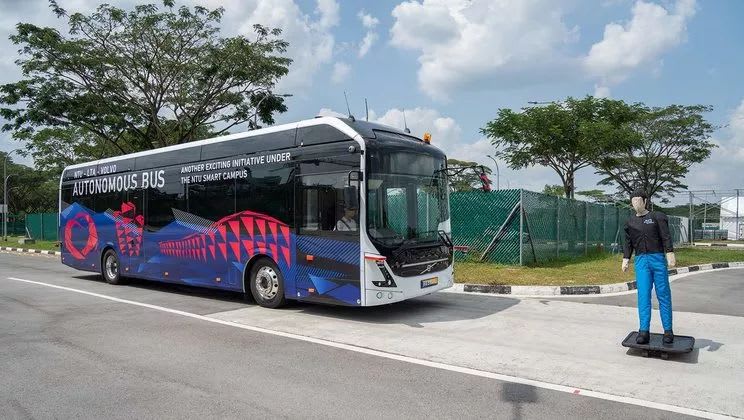
Volvo Buses and Nanyang Technological University (NTU) in Singapore have demonstrated the world’s first 40-foot autonomous electric bus. Photo: Volvo
Volvo Buses and Nanyang Technological University (NTU) in Singapore have demonstrated the world’s first 40-foot autonomous electric bus. Photo: Volvo
Volvo Buses and Nanyang Technological University (NTU) in Singapore have demonstrated the world’s first 40-foot autonomous electric bus. The Volvo bus will soon begin trials on the NTU campus.
The bus is equipped with four Lidar sensors, which enables it to detect and stop for objects coming in its way.
The 85-passenger Volvo 7900 Electric bus is equipped with sensors and navigation controls that are managed by a comprehensive artificial intelligence (AI) system. Ensuring maximum safety and reliability, the AI system is also protected with cyber-security measures to prevent unwanted intrusions.
The Volvo bus has undergone preliminary rounds of rigorous testing at the Centre of Excellence for Testing and Research of Autonomous vehicles (CETRAN).
Plans are in place to test the bus on NTU campus and to extend the route beyond the university.
The fully autonomous electric bus provides a quiet operation with zero emissions. It requires 80% less energy than an equivalent sized diesel bus, according to the company.
This is Volvo’s first autonomous fully electric bus in public transportation.
The bus comes with a Volvo autonomous research software that is connected to key controls and multiple sensors. NTU researchers have enhanced it with an AI system that communicates with sensors, enabling the bus to operate autonomously.
This includes light detection and ranging sensors (LIDARS), 360-degree cameras and an advanced global navigation satellite system that uses real-time kinematics. This is like any global positioning system, but uses multiple data sources to give pin-point location accuracy up to one centimetre.
The system is hooked-up to an “inertial management unit”, measuring the bus’s lateral and angular rate. This will improve the bus’s navigation when going over uneven terrain, ensuring a smooth ride.
More Technology
New York MTA Launches Historic $1.9B Signal, Track Modernization Project
Funded in part by congestion pricing revenue, the project will replace nearly century-old signals along the A and C lines in Brooklyn and Queens.
Read More →
Biz Briefs: New Electric Offering from Alexander Dennis/Volvo, Transdev in Boston, and More
In METRO's latest installment, we also take a look at recent news from STV, WSP, Prevost, and more partnerships making headlines across the transportation sector.
Read More →
Roman Cornell on ABC Companies’ Evolution and the Future of Passenger Transportation
The company’s CEO discusses carrying forward a third-generation family legacy, ABC’s continued evolution in passenger transportation, support for increasingly complex fleets, and how technology and continued investment could help operators improve uptime.
Read More →
ETA CEO John Maglio on Transit Technology, Innovation, and Building Agency Trust
ETA founder and CEO John Maglio explores the evolution of transit technology, the importance of reliable systems, and how stronger partnerships can help agencies improve operations and the passenger experience.
Read More →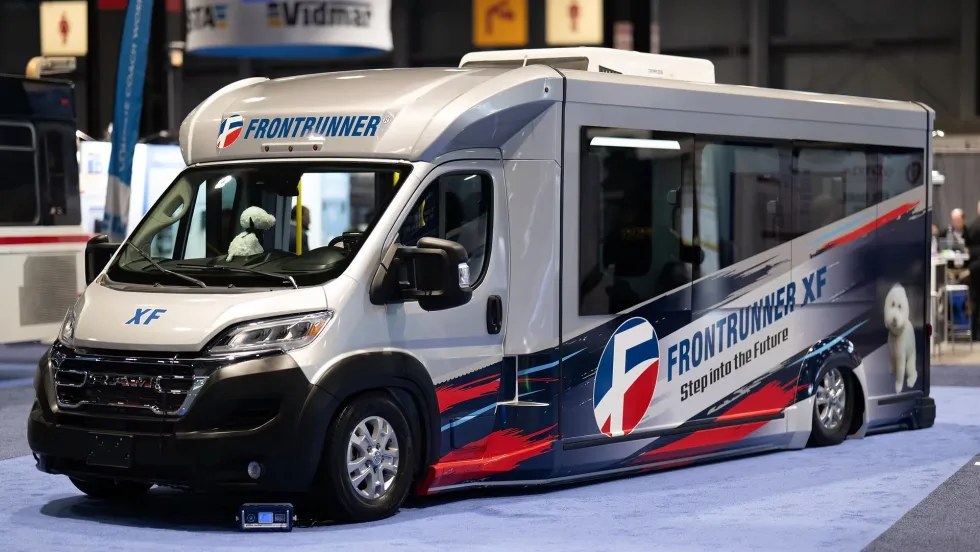
Frontrunner Bus Group Introduces XF Low-Floor Bus with Enhanced Accessibility
The new mid-sized bus features a full flat-floor design, eight-inch curbside step-in height, and zero-entry rear ramp to improve passenger access and operational flexibility.
Read More →
Building a Flexible Path to Transit Electrification with BAE's John Hroncich
John Hroncich discusses BAE Systems’ modular and scalable approach, lessons learned from decades of real-world operations, and how agencies can identify electrification strategies that fit their fleets.
Read More →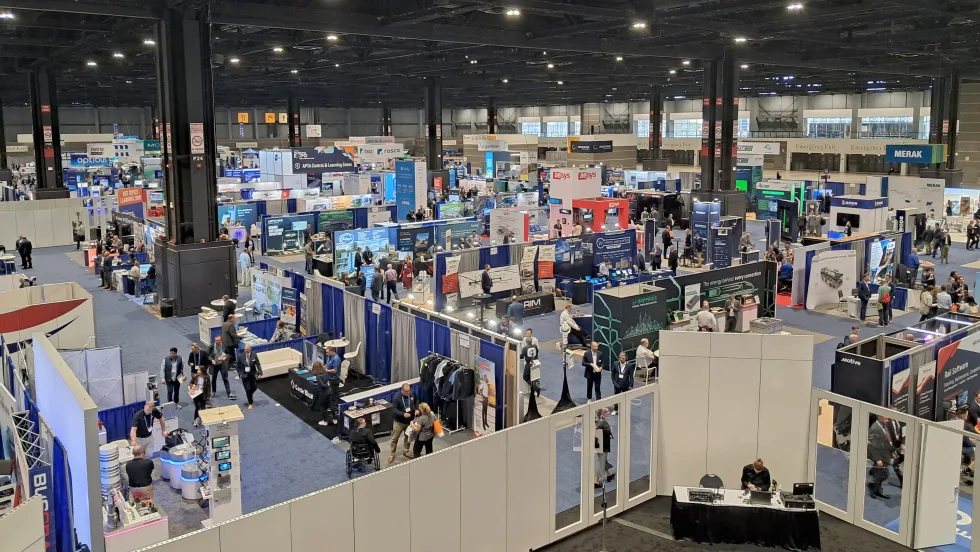
Scenes from APTA TRANSform & EXPO 2026
Transit leaders, manufacturers, and industry professionals gathered in Chicago to explore new technologies, share ideas, and discuss the future of public transportation.
Read More →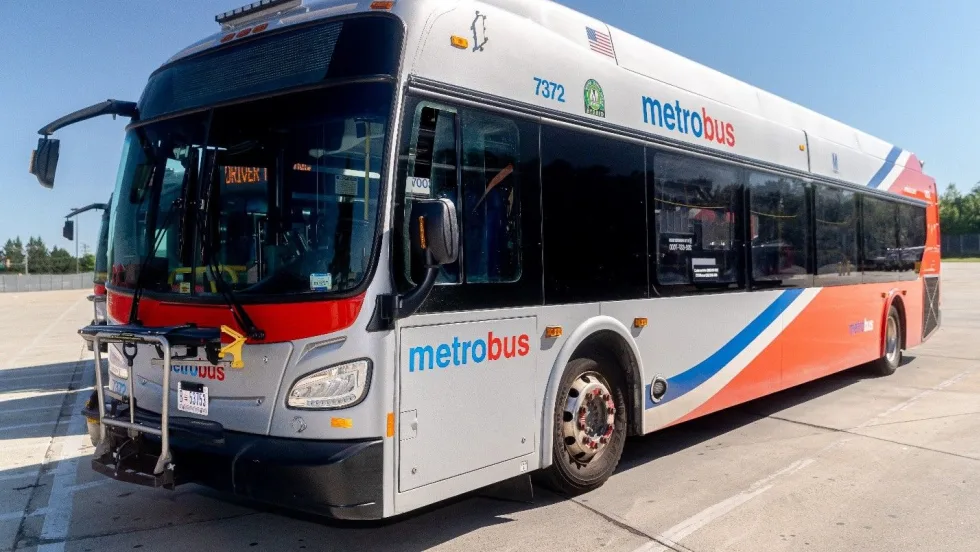
Biz Briefs: New Flyer Secures Additional 100-Bus Order from WMATA and More
In METRO's latest installment, we also take a look at recent news from Masabi, MCI, Samsara, and more partnerships making headlines across the transportation sector.
Read More →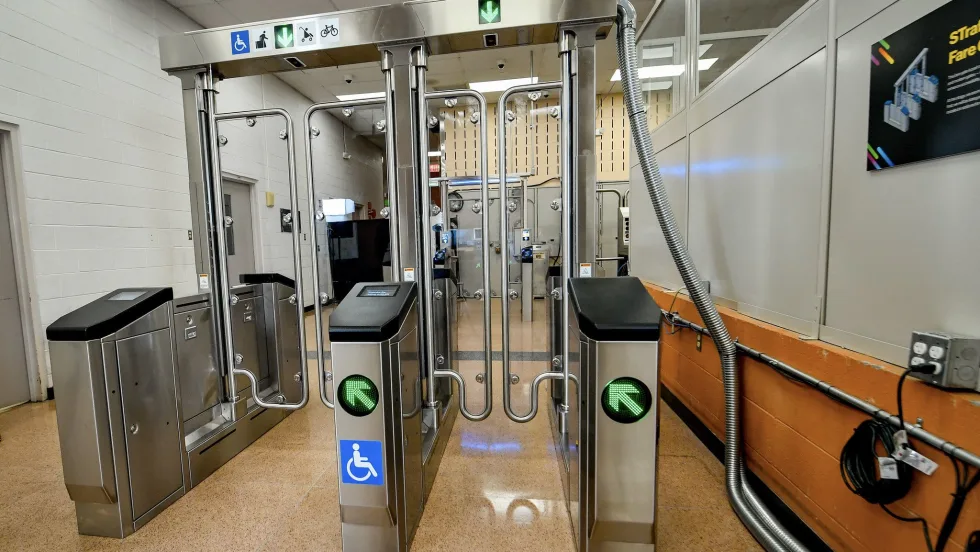
MTA Fare Gate Pilot Reduces Fare Evasion by 35%
Following a 20-station pilot, the agency plans to install new fare gates at 20 additional subway stations as part of a $1.1 billion modernization initiative.
Read More →
California Law Extends AC Transit’s Bus Lane Camera Enforcement
The new law allows AC Transit to continue using forward-facing bus cameras to enforce parking violations in bus-only lanes and at bus stops.
Read More →