



Wallut Named Chief Commercial Officer at Alstom
Jérôme Wallut will oversee Alstom’s global commercial activities including commercial strategy, business development, and public affairs.

Jérôme Wallut has a degree in aerospace engineering and a business degree from the INSEAD Business School.
Photo: Alstom
Alstom, a mobility solutions developer, announced it has appointed Jérôme Wallut as CCO.
Wallut will oversee Alstom’s global commercial activities including commercial strategy, business development, and public affairs. He will also be a member of Alstom’s leadership team and report to Henri Poupart-Lafarge, Alstom CEO and chairman of the board.
Wallut was previously president of Alstom Americas. He began his career at Airbus, a European aircraft manufacturer, where he served several positions in the after-sales division, in the test flight department, and subsequently in the programs department and delivery center.
Wallut joined Alstom Transport in 2000 as director of Project Management Methods and became operations director for Alstom’s Signaling in Asia.
In 2003, he became major account director for RATP (Régie Autonome des Transports Parisiens) and RFF (Réseau Ferré de France). Wallut was then appointed VP of the Casco Signal Ltd. joint venture in China. From 2007 to 2009, he was the key accounts director for the SNCF (Société Nationale des Chemins de fer Français).
From 2010 to 2014, Wallut was senior VP at Alstom Transport in France. He was appointed senior VP at Alstom in North America in 2014.
More Management
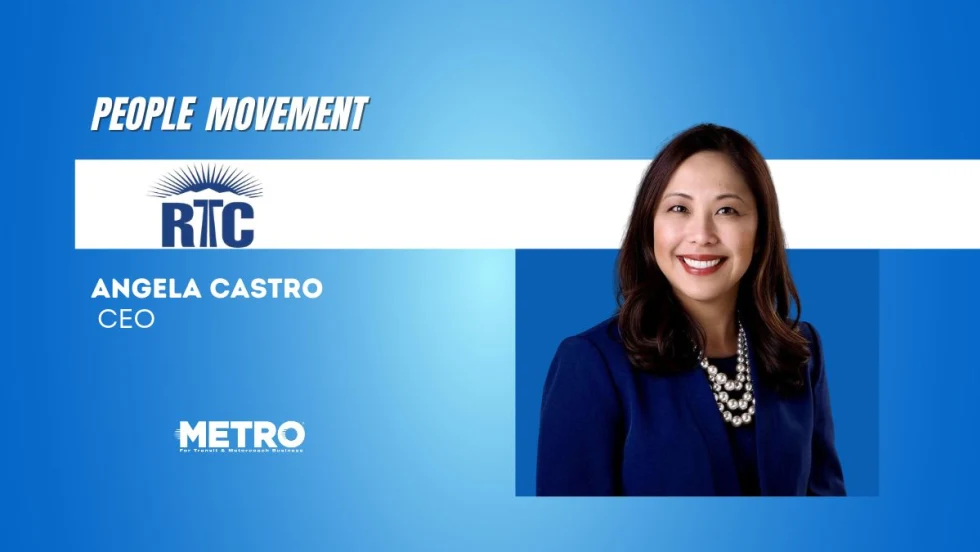
Castro to Lead RTC of Southern Nevada and More in People Movement
In this edition, we also cover recent appointments and announcements at the STV, MCI, and more, showcasing the individuals helping to shape the future of transportation.
Read More →
STraffic Expands North American Presence with Fare Collection Technology
John Moon, Associate Director, Product Strategy at STraffic, discusses the company's growth in North America, its efforts to reduce fare evasion, and more.
Read More →
Study: Denver RTD Generates $2.1 Billion in Annual Economic Activity
An economic impact study finds the agency supports approximately 17,500 jobs, delivers $1.6 billion in annual community and mobility benefits, and generates $2.42 in economic value for every dollar invested.
Read More →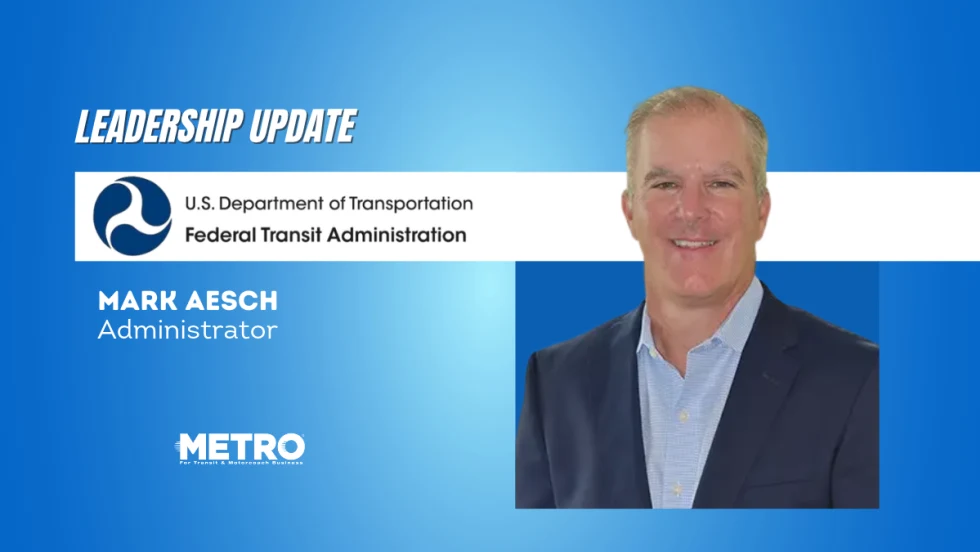
Mark Aesch Nominated to Lead Federal Transit Administration
The former Rochester transit chief and TransPro founder, who has also contributed to METRO Magazine, brings decades of industry experience and a focus on performance, accountability, and financial sustainability to the nomination.
Read More →
Best and Worst U.S. Cities for Public Transportation in 2026
A new analysis of 50 major U.S. urban areas ranks public transit systems based on accessibility, affordability, usefulness, and safety, highlighting where transit performs best and where challenges remain.
Read More →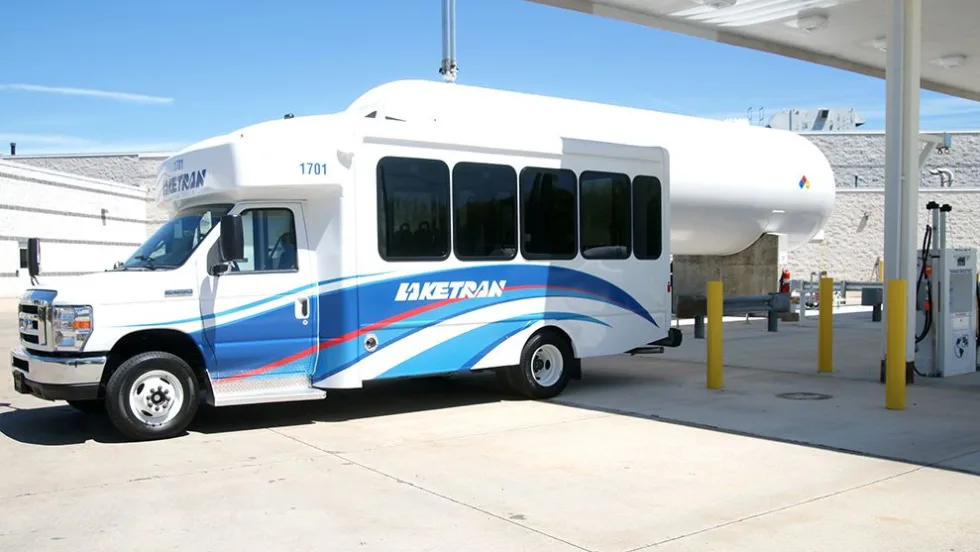
Laketran Cuts Fuel Costs, Boosts Efficiency with Propane-Powered Fleet
The Ohio transit agency is using propane-powered vehicles and on-site fueling infrastructure to cut fuel and maintenance costs while meeting growing demand for paratransit services.
Read More →
Canada’s Public Transit Supports $65.6 Billion in Annual GDP
New research from the Canadian Chamber of Commerce examines transit's economic contributions, including job creation and the financial implications of transportation investment.
Read More →
Pierce Transit Moves to Expand Fleet Following Proposition 1 Approval
The agency authorized the purchase or refurbishment of up to 60 buses to support a 47% service expansion, as voters nationwide approved billions in new transit funding.
Read More →
Right-Sizing Rural Transit: Lessons from North Grenville’s On-Demand Model
A small municipality shows how flexible service, rider needs, and public accountability can expand mobility with limited resources.
Read More →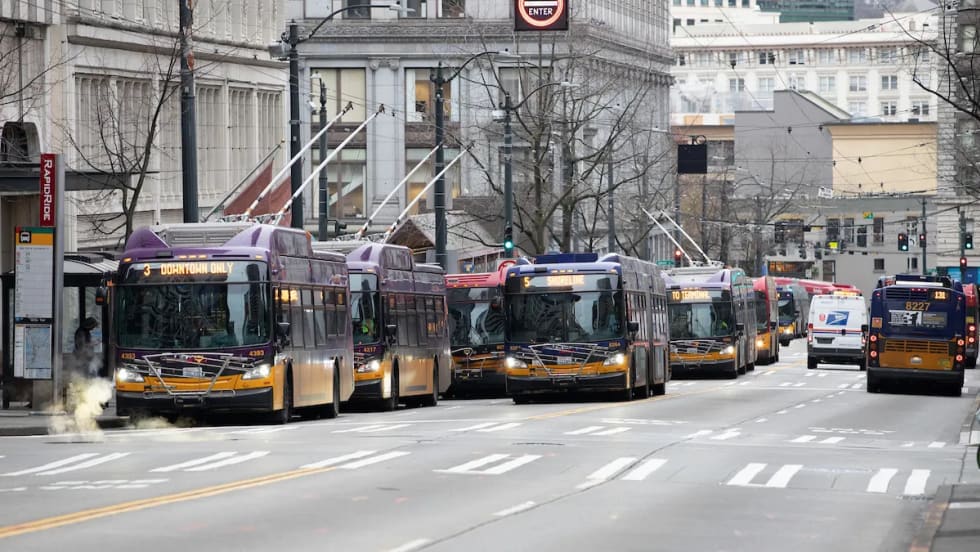
Transit Ballot Victories Signal Strong Voter Support: What Comes Next?
Voters approved billions in public transportation investments in 2026, giving agencies opportunities to preserve service, expand operations, and strengthen regional connections amid a changing political landscape.
Read More →