



Web Extra: Indiana U. Campus Bus transports a record 3.5M riders
The down economy has caused a large spike in student enrollment, boosting ridership numbers. Without federal or state funds to purchase additional buses, the system has had to find other ways to accommodate more riders.

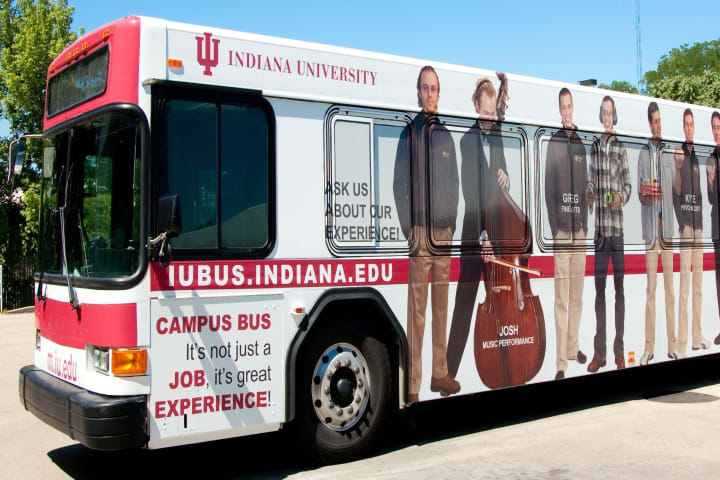
The Bloomington, Ind.-based Indiana University's IU Campus Bus system has accommodated a burst in student enrollment with a new night service and vehicle reconfigurations.
[IMAGE]IUCampusRecruiting-BusFULL-2.jpg[/IMAGE] As Bloomington, Ind.-based Indiana University (IU) has seen a healthy boost in enrollment, the IU Campus Bus system has accommodated the burst in student influx with a new night service and vehicle reconfigurations.
In the last fiscal year, the transit system carried 3.5 million riders, trumping the previous year’s record by 300,000 passengers, an increase of more than 10 percent over the past year.
Perry Maull, operations manager for IU Campus Bus, said that the recently implemented Night Owl Service, which runs three routes from midnight to 3:00 a.m., brought in about one-third of that increase. Additionally, student enrollment has gone up from about 38,000 to nearly 42,000 over the past four years. As a result, passenger boardings have jumped from 70 per hour to 84 an hour.
Because IU Campus bus does not receive federal or state operating assistance and is solely funded for their operational costs by student transportation fees — $58 a semester per full-time student, with a smaller fee for part-time students or during the summer session — they needed to find a way to accommodate the additional students without buying more buses.
“We share a maintenance facility with the city buses and Bloomington Transit, that was federally assisted, but our biggest [funding source] is the transportation fee revenue,” Maull said.
IU Campus Bus runs a fleet of 27 Gillig low floor buses. During the school year, they operate five routes, using 20 buses for each. To accommodate more riders they implemented a suggestion from one of their student bus drivers who is a Hong Kong native. They removed the forward facing seats in the front of the bus, leaving only the flip seats in the wheelchair area, creating more standing room. With students boarding the bus for an average of only three or four stops, IU realized they could pack more people in standing than sitting.
"You take out those seats, where maybe two people were sitting and you can stand four or five. Plus it allows them to enter and exit more easily because they’re not trying to move around the middle aisle,” Maull said.
In an additional effort to mitigate crowds, IU Campus Bus has tailored bus service to when classes begin and end, giving the drivers a break when students are in class.
Student transportation fees are projected to bring in a total of $4.4 million for the upcoming school year, Maull said. “I’m hoping it’ll raise that, let me put it that way, that’s what the budget is. We never know with enrollment. It has gone up the last four years, but you never know until they all show up in the fall. When the economy goes down, enrollment goes up. But is that going to continue as the economy stays down? Will students be able to stay in school? That’s the big question.”
More Bus

Biz Briefs: STV teams with Amtrak, Motorcoach Operators Boost Fleet and Land Contracts, and More
From manufacturers and suppliers to transit agencies and motorcoach operators, these updates offer a snapshot of the projects, partnerships and business moves driving the industry forward.
Read More →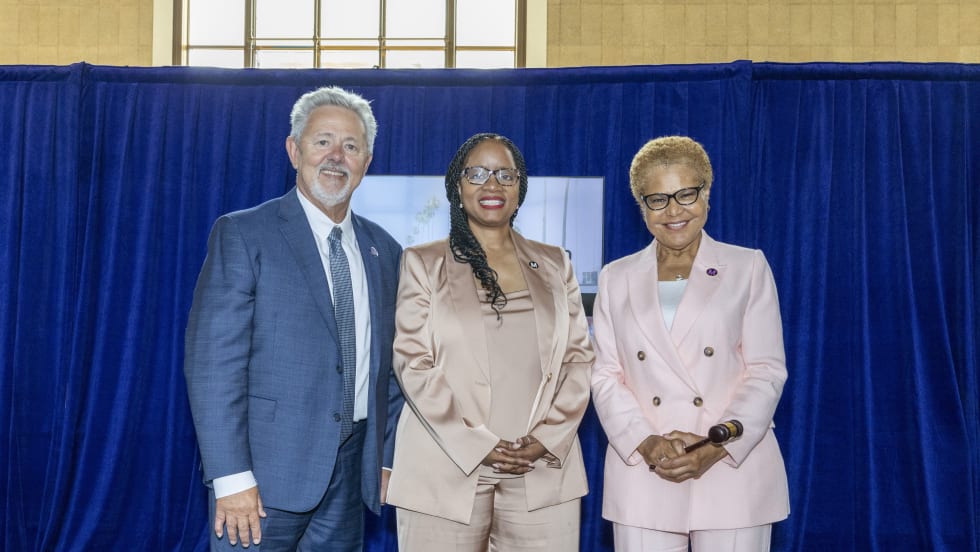
LA Metro Marks Banner Year, Sets Ambitious Goals for New Fiscal Year
Incoming LA Metro Board Chair and Los Angeles Mayor Karen Bass joined outgoing Board Chair Fernando Dutra and LA Metro CEO Stephanie Wiggins to review accomplishments from fiscal year 2026, which included the opening of new rail extensions, advancement of major transit projects, expanded safety programs, and new rider amenities.
Read More →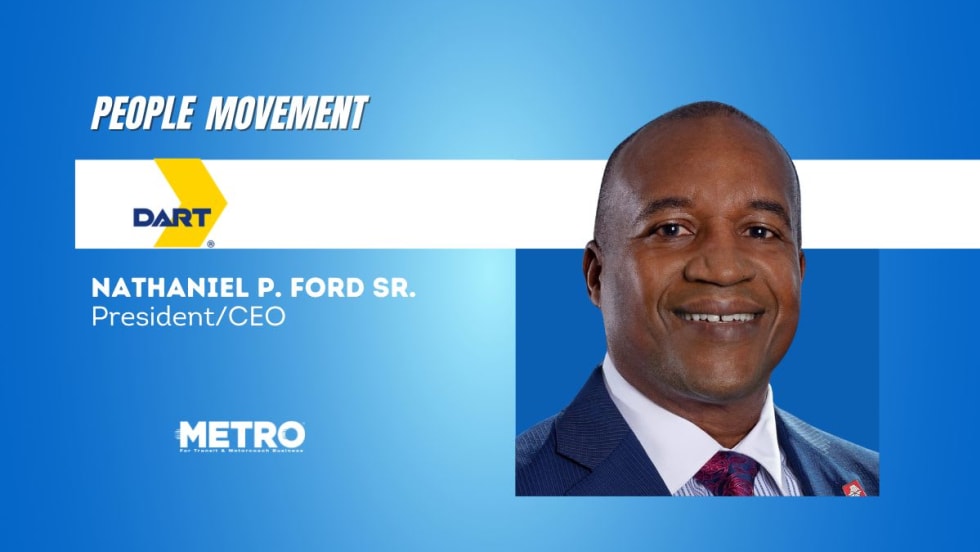
DART Taps Nathaniel P. Ford Sr. as Next President/CEO
Since 2012, Ford has served as the CEO of the Jacksonville Transportation Authority
Read More →
AC Transit’s Cecil Blandon on Building the Next Generation of Transit Maintenance Leaders
The agency’s maintenance chief discusses leadership, workforce development, zero-emission technology, and preparing technicians for the future of public transportation.
Read More →
Building the Next Generation of Transit Technology
In this edition of METROspectives, Luminator CEO Magnus Friberg discusses the company's transformation, the growing role of AI and software, and what's next for transit technology.
Read More →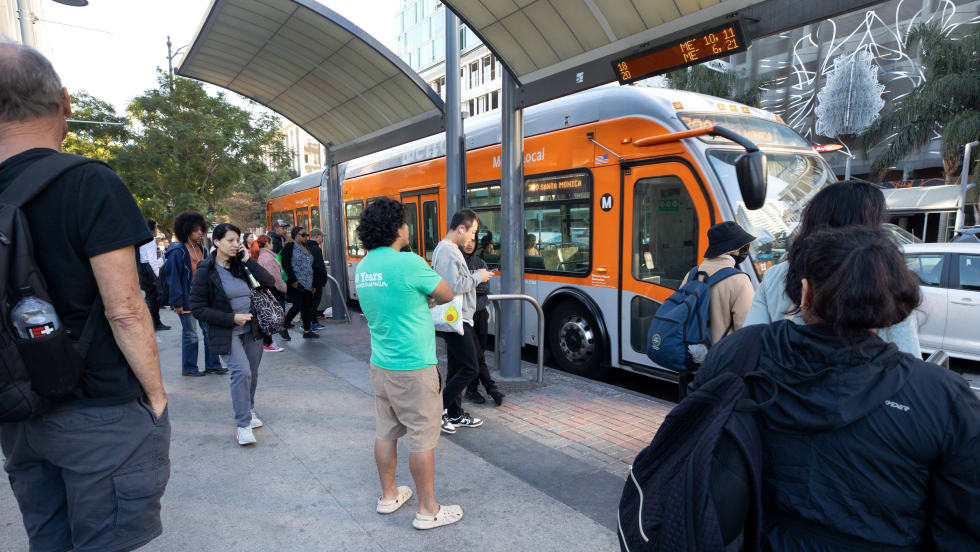
June LA Metro Ridership Surges 2 Million Year Over Year
Total June ridership increased for both weekdays and weekends. Weekday ridership was 953,820, which grew 8.4% from June 2025; Saturdays increased nearly 13% year-over-year to 708,826; and Sundays increased 7.7% to 611,534 from June 2025, according to LA Metro.
Read More →
Washington's Pierce Transit Board Sends Transit Funding Measure to November Ballot
With the adoption of Resolution 2026-006, the measure moves to the Pierce County Auditor, giving voters in the Pierce Transit service area the decision on whether to fund an expansion of local transit service within the agency’s service area.
Read More →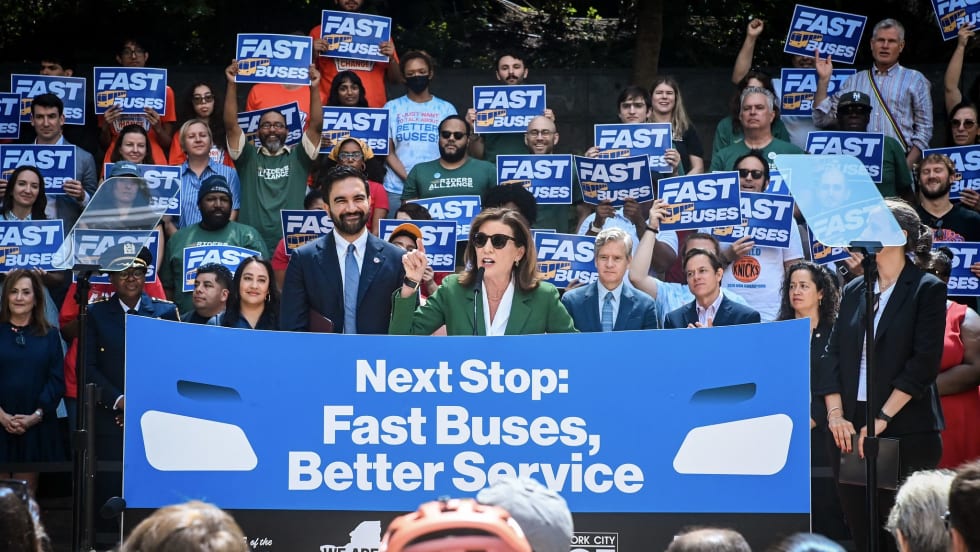
New York Unveils Sweeping Plan to Modernize City Bus Service
Next Stop: Fast Buses, Better Service identifies 50 priority bus corridors for improvements across the five boroughs and launches the City’s next generation of rapid bus service along five key routes.
Read More →
CTDOT Taps STV for Electric Bus Facility Design
The firm will work with CTDOT and RVT to define the facility layout, operational requirements, and long-term flexibility for RVT’s growing electric fleet.
Read More →
Ford to Leave JTA After More Than 10 Years as CEO
He plans to continue his work advancing innovative mobility solutions to improve the quality of life in communities across the nation. He did not announce specific plans.
Read More →