



Web Extra: TransLink rider helps improve access
Rob Sleath, who is blind, has helped TransLink improve its service for disabled passengers over the past 10 years through his involvement in the agency's Access Transit Secretariat and its Users' Advisory Committee. He showed bus drivers were only announcing stops 6 percent of the time and urged the agency to make a change.

Vancouver, British Columbia's Translink (South Coast British Columbia Transportation Authority) established its Access Transit Secretariat to ensure that accessible transit is integrated into all of the system's plans and projects.
Rob Sleath, who is visually impaired, is a member of TransLink's Users' Advisory Committee, which provides input and guidance to Access Transit. Sleath has been working with TransLink for about 10 years to improve transit for disabled passengers, particularly those with sensory disabilities.
Sleath lost his vision 18 years ago. "At the time, I was in the middle of a fairly promising sales and marketing career and my employer wasn't really quite sure what to do with me," he said. He decided to put his skills to work to become an advocate. "It's really what advocacy work is all about — it's really just selling decision makers on ideas. You've got to work with people collaboratively. And I think if you help them to understand what the issues are, it's almost common sense."
He says he appreciates the emphasis TransLink has placed on accessibility issues. "The fact that they've developed this Access Transit department, they've invested literally hundreds of millions of dollars behind the whole issue of accessibility," he said. "They're so anxious to learn, that's the nice thing is you can go to them with an idea or a concept and it's like, 'tell me more. Help us to understand.' TransLink has been a terrific group to work with, so I've enjoyed it."
With Access Transit's manager Peter Hill, Sleath made a presentation to the American Public Transportation Association's Bus and Paratransit Conference in May, discussing how TransLink established Access Transit and addressed accessibility issues in the system. "I spoke about what I had experienced as a consumer of the transit system, how accessibility had changed over the last 10 years, and how we go about managing the committee," Sleath said.
Sleath was asked to join the Users' Advisory Committee to represent blind passengers when the committee was initially being formed primarily by wheelchair users as the Committee for the Promotion of Accessible Conventional Transit (COMPACT). The committee's main focus was addressing accessibility on the city's SkyTrain rapid transit system and city buses.
Projects Sleath has worked with TransLink to develop include adding a color contrasting tactile platform edge at SkyTrain stations. "In the late 1990s, we were having all kinds of incidents, fairly regularly, where people were unable to detect the edge of the platform and they were falling into the guideway. Fortunately, nobody was seriously hurt until 2002, when we had a pretty serious accident," he said. Although the project was costly, TransLink was amenable to making the change for the safety of passengers with sensory impairments.
Sleath is particularly proud of his efforts to have bus stops announced during routes. "Those of us who are blind or partially sighted have had tremendous difficulty over the years riding on the transit system because when you get on a transit bus and the driver doesn't announce the stops or the major intersections, you have no idea where you are," he explained.
When Sleath first started meeting with bus drivers on this topic, the veteran drivers would be resistant to making announcements because their attitude was that they already knew how to handle blind passengers.
"I said, 'what we really need to do is speak to the new operators before they develop these preconceived notions,'" Sleath says. So he started a program to train new operators before they go into revenue service. As part of the training, Sleath leads new hires on a blindfolded bus ride to give them an idea of what it's like. "We make it very clear to them that this is not a true representation of what it's like to be blind, it just gives you a bit of a snapshot," he said. "We stop at various locations and ask them to identify where they are."
Despite implementing the training program, Sleath still found that drivers were not announcing stops along their routes. He decided to do a survey to gather data, asking a pool of volunteers to ride routes and note how often drivers announced stops. Sixty-five routes were tested about four or five times each, he said.
When he brought the results to TransLink managers, they guessed that announcements were being made 40 to 50 percent of the time. In actuality, Sleath's survey showed that drivers were only announcing stops about 6 percent of the time. "It was astounding, and I think that really caught their attention," he said. "We said, 'listen, we're not asking you to go out and spend millions of dollars on technology. What we're asking you to do is recognize the problem and come up with some method where these drivers are required to call the stops.'" Eventually, TransLink invested in automatic stop annunciators to solve the problem.
"It's just great working with a group like TransLink because they're so receptive to these ideas and saying, 'if it makes our system better, let's take a really good look at it.' Occasionally they have to say no and we understand that, but they're very good to work with," Sleath said.
Sleath recently was interviewed for TransLink's "The Buzzer Blog" in advance of Access Awareness Day, June 5. "It's not my vision loss that is the disability, it's the environment around me. If you change the environment you minimize my disability," he said. To read the full interview, click here.
(This story was originally featured in METRO's monthly Transit Accessibility e-newsletter. To subscribe, click here.)
More Paratransit

Driving Smarter Paratransit
John Hanlon shares how AlphaRoute is leveraging AI-powered technology to help paratransit providers optimize operations, support frontline staff, and enhance the rider experience.
Read More →
METRO Magazine Announces 2026 Innovative Solutions Awards Winners
Projects Recognized for Advancing Mobility Through Technology, Accessibility, Workforce Innovation, and Operational Excellence
Read More →
Biz Briefs: STV teams with Amtrak, Motorcoach Operators Boost Fleet and Land Contracts, and More
From manufacturers and suppliers to transit agencies and motorcoach operators, these updates offer a snapshot of the projects, partnerships and business moves driving the industry forward.
Read More →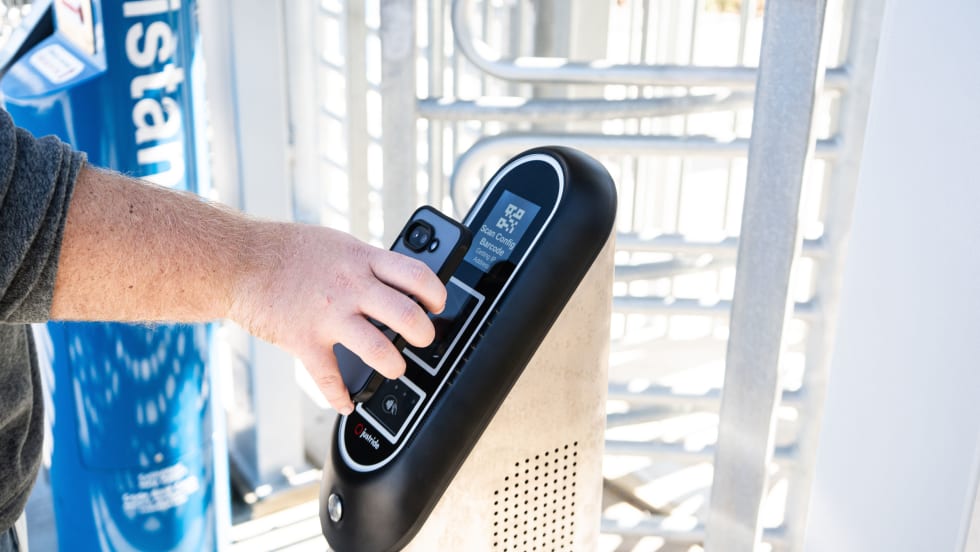
Biz Briefs: Masabi Teams with St. Louis Metro and More
In METRO's latest installment, we take a look at recent news from Transdev, Hitachi, and more partnerships making headlines across the transportation sector.
Read More →
New York MTA Leverages Zoning Program to Advance Station Accessibility
Accessibility enhancements at Nevins St Station will be financed through a development agreement tied to the MTA's Zoning for Accessibility initiative.
Read More →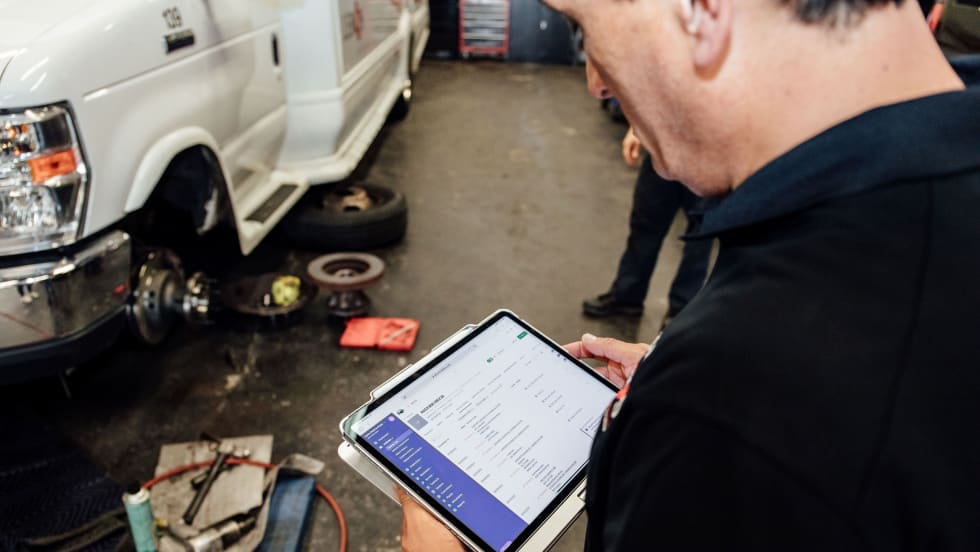
Reinventing Fleet Maintenance with Real-time Visibility and AI
Transit leaders need to know what needs fixing, where to look, who is responsible, when work is completed, and what it costs without having to chase information across disconnected systems.
Read More →
SamTrans Sets Priorities for Potential Connect Bay Area Revenue
The board-approved framework allocates future funding to maintaining service, rider improvements, equity initiatives, and infrastructure repairs.
Read More →
Chicago's NITA Act Moves Into Next Phase as Service Improvements Begin
Rider-focused improvements will begin rolling out across the system immediately as CTA, Metra, and Pace increase service this summer in the six-county region.
Read More →
2026 METRO Buyer’s Guide & Directory
Searching for the right vehicles, technology, equipment, or services for your public transit or motorcoach operation? This industry guide brings together manufacturers and suppliers from across the transportation market — all in one place. Download it to connect with the companies that help agencies and operators improve mobility, enhance operations, and move their organizations forward.
Read More →
Rays the Mark Foundation to Honor CDTA’s Emily DeVito at October Fundraiser
Event at Chicago-area Ravisloe Country Club will support DeVito, a transit employee and mother of twins battling kidney failure and awaiting a transplant.
Read More →