



Web Extra: U. of Alabama transit agency celebrates 5 years
Before instituting the system in 2007, the university held approximately 80 town hall meetings to inform the community of parking changes that were set to be made and receive feedback for the transit system.

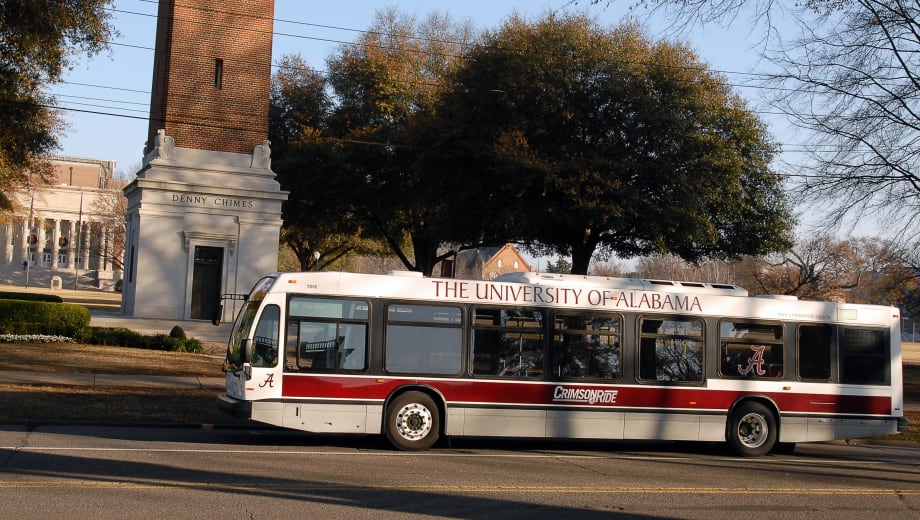
In 2007, the University of Alabama launched its Crimson Ride transit service with 17 full-size Nova buses to help fulfill its goals to grow its population and become more pedestrian friendly.
"At the time, the student population was a little under 20,000 students, and since that time, the population is now more than 31,000, so you can see the dramatic increase in population," explained Ralph Clayton, assistant director of transportation services. "To grow the campus like that, we had to get the infrastructure in place, and part of that was adding the transit system to bring the students to campus."
Today, the transit service boasts 23 vehicles and provides more than two million rides a year.
"One thing that changed tremendously after we got the transit system on campus was traffic reduction," explained Ronnie Robertson, director of transportation services.
Before instituting the system in 2007, the university held approximately 80 town hall meetings to inform the community of parking changes that were set to be made and receive feedback for the transit system.
"We got the faculty, staff and students involved on the bus selection; the type of bus they wanted; the routes and what they expected out of a transit system," said Ronnie Robertson, director of transportation services. "It really was a learning curve for everybody, because we had never had a workable transit system on this campus before."
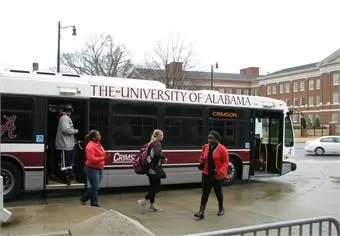
Today's challenge for the transit system is keeping up with the changing infrastructure and growing population on campus, explained Clayton.
"We constantly monitor the system and adapt, but we learn from trial and error and don't change routes or stops without really considering the consequences," he said. "We have new buildings and residence halls set to open that will impact our existing infrastructure, and we really have to be nimble, agile and plan to maintain the level of service that is needed to grow along with the university."
Added Robertson: "At peak times, we serve 12,000 riders a day. When the students come to expect the buses to be at particular stops at particular times, it's difficult with the growth we've seen to meet those expectations. So far, because of the administrative support we've had, we've been able to keep up with the growth."
Continuing its successful partnership, University of Alabama Transportation Department ordered clean-diesel, 40-foot LFS smart buses, featuring a new interior design, from Nova Bus for its Crimson Ride transit service. The contract will see the university receive two new buses each year for five years to help keep up with both the university's and agency's growth.
"We truly have a partnership with Nova," he explained. "But, it's been more than just a business partnership, they feel invested in our community, and the buses have really become part of the fabric of our campus."
More Bus

New York MTA Plans Largest Bus Fleet Upgrade in More Than a Decade
The agency is seeking manufacturers for 650 new CNG buses to replace aging vehicles, improve reliability, and advance its broader fleet modernization strategy.
Read More →
Building a Flexible Path to Transit Electrification
John Hroncich discusses BAE Systems’ modular and scalable approach, lessons learned from decades of real-world operations, and how agencies can identify electrification strategies that fit their fleets.
Read More →
Bus Tech Talk: Keeping Transit Technicians Ahead of the Technology Curve
LA Metro’s Obed Mejia discusses technician training, evolving maintenance technology, fleet replacement, and strategies for getting the most out of today’s transit fleets.
Read More →
Biz Briefs: RIPTA Unveils New Frontrunners, Clevland RTA Adds New Siemens, and More
In METRO's latest installment, we take a look at recent news from Siemens, Prevost, Dodge, and more partnerships making headlines across the transportation sector.
Read More →
People Movement: Holly Arnold Joins Transdev and More
In this edition, we also cover recent appointments and announcements at Pace, CamTran, MCI, and more, showcasing the individuals helping to shape the future of transportation.
Read More →
The High Cost of Transit Buses: Industry Leaders Look to Procurement Reform
Transit leaders and policymakers examine how standardized bus designs, streamlined procurement, and predictable funding could help agencies stretch budgets and deliver better service.
Read More →
The Business Voice Behind Public Transportation
As chair of APTA’s Business Members Board of Governors, Ray Melleady explains how more than 850 business members are partnering with transit agencies to advance funding, innovation, and industry-wide collaboration.
Read More →
From Surviving to Thriving: Building Stronger Transportation Organizations
Bus Business Consultants founder Brian Dickson shares lessons on leadership, organizational health, and creating options for long-term success in a changing transportation industry.
Read More →
Finding the ‘Happy Medium’: Optimizing Maintenance Without Sacrificing Reliability
The key to maintenance optimization isn’t doing less work—it’s doing the right work at the right time on the right assets.
Read More →
LA Metro, City of West Hollywood, and Partners Advance Smarter Bus Lane Enforcement
The award-winning partnership combines AI-powered detection with human oversight to improve bus reliability, accessibility, and enforcement efficiency.
Read More →