



What for-hire transportation cos. need to know about new IRS forms
The IRS has published regulations implementing a new tax reporting requirement that will affect nearly all of the larger, and many smaller, for-hire transportation companies — both fleet owners and independent contractor drivers — across the U.S.

By Alfred LaGasse
CEO, Taxicab, Limousine & Paratransit Association
The Internal Revenue Service (IRS) published regulations implementing a new tax reporting requirement that will affect nearly all of the larger, and many smaller, for-hire transportation companies — both fleet owners and independent contractor drivers — across the U.S. These companies are now required to file Form 1099-K, “Merchant Card and Third Party Network Payments,” and while burdensome, this new requirement must be taken seriously by our industry.
In short, the Internal Revenue Code now requires transportation companies to report amounts collected for independent contractor drivers for all payments received from passengers by credit card and for many company-issued vouchers.
The bottom line is that if transportation companies haven’t made plans to comply with the new reporting requirements, they could face significant IRS penalties. The Taxicab, Limousine & Paratransit Association (TLPA) has been running seminars and publishing articles and a Special Report on this issue for the past year, but for those who may not be aware of the new regulations, a brief explanation follows.
Who is required to file the new Form 1099-K for credit card transactions?
A transportation company that accepts credit cards as a form of payment should expect to receive a Form 1099-K in early 2012 from its bank (or other entity that settles electronic payment transactions) reporting total gross receipts for the company from credit card transactions processed during the 2011 calendar year.
Under an “aggregate payee” rule, a transportation company that receives the proceeds of credit card transactions from its bank (or other entity that settles electronic payment transactions), on behalf of its independent contractor drivers who accept credit card payments, and that then distributes the proceeds to the driver, must issue a Form 1099-K to each driver who accepted credit card payments. A similar rule requires reporting of payments to drivers from passengers using company-issued vouchers.
Therefore, the transportation company will not only receive a Form 1099-K from its bank (or other card processor), but it must also file a Form 1099-K for each independent contractor driver to whom it has paid or credited amounts on account of fares and tips paid by credit card (or many company-issued vouchers), reporting the gross amount paid to the independent contractor driver.
What does this mean? It means that if you are a transportation company with 10 independent contractor drivers who accept credit card payments that are processed through the company, you must provide 10 individual Form 1099-K’s (one per driver). If you have 1,000 drivers accepting credit card payments processed through the company, you will have to prepare 1,000 separate 1099-K forms.
What information must be reported on Form 1099-K?
The transportation company issuing a Form 1099-K must report its own name, address, telephone number, and Taxpayer Identification Number (EIN).
The company must also report the payee’s name, street address, and Taxpayer Identification Number (EIN or SSN), the total amount paid to the payee for credit card transactions during the calendar year, and the total amount paid to the payee for credit card or reportable voucher transactions during each month of the calendar year.
When must Form 1099-K be filed?
Issuers must send a copy of the Form 1099-K to the payee not later than January 31, 2012. This copy must be filed with the IRS not later than February 28, 2012. If the Form 1099-K is filed electronically, the deadline for filing with the IRS is March 31, 2012.
Is there any relief from the penalty for an incorrect filing?
Yes. Because many credit card merchant banks and third party settlement organizations are having difficulty establishing systems for collecting and reporting the amount of reportable payments, in Notice 2011-89, the IRS announced that it will not impose penalties for erroneous Forms 1099-K issued with respect to reportable payments made in 2011, provided that the payor has made a good faith effort to report the correct information, and has actually filed Forms 1099-K in a timely fashion and provided a copy to the payee.
The IRS emphasized that the penalty relief does not extend to payors who erroneously fail to file Form 1099-K, or to returns for payments made in 2012 or later years.
TLPA has issued a detailed Special Report found on its website (www.tlpa.org) in the members’ only section. This report was written by Charles M. Watkins, a tax lawyer with the firm of Webster, Chamberlain & Bean, LLP, who has worked with TLPA and its members for more than 25 years. All transportation companies who need clarification on this new regulation are urged to consult with their own accountants or legal counsel to learn their obligations under these new information reporting requirements.
What is TLPA?
Established in 1917, the Taxicab, Limousine & Paratransit Association (TLPA) is a non-profit trade association of and for the private passenger transportation industry. Its extensive membership spans the globe to include 1,100 taxicab companies, executive sedan and limousine services, airport shuttle fleets, non-emergency medical transportation companies, and paratransit services. For more information, please visit www.tlpa.org.
More Paratransit

People Movement: Dan Dipert Coaches Adds Third-Generation Leader, Keolis Names New Valley Metro VP/GM, and More
In this edition, we also cover recent appointments and announcements at the Wabtec, SilverRide, HNTB, and more, showcasing the individuals helping to shape the future of transportation.
Read More →
Biz Briefs: RIPTA Unveils New Frontrunners, Clevland RTA Adds New Siemens, and More
In METRO's latest installment, we take a look at recent news from Siemens, Prevost, Dodge, and more partnerships making headlines across the transportation sector.
Read More →
King County Metro Makes ADA Paratransit Easier to Navigate
METRO's Innovative Solutions Award winner replaces complex service-area descriptions with an accessible, interactive map that puts paratransit information directly in customers’ hands.
Read More →
Jacksonville’s NAVI Project Charts a New Course for Autonomous Public Transportation
Through its NAVI program, JTA is showing how autonomous vehicles, intelligent infrastructure, and coordinated operations can work together to deliver everyday public transportation.
Read More →
Driving Smarter Paratransit
John Hanlon shares how AlphaRoute is leveraging AI-powered technology to help paratransit providers optimize operations, support frontline staff, and enhance the rider experience.
Read More →
METRO Magazine Announces 2026 Innovative Solutions Awards Winners
Projects Recognized for Advancing Mobility Through Technology, Accessibility, Workforce Innovation, and Operational Excellence
Read More →
Biz Briefs: STV teams with Amtrak, Motorcoach Operators Boost Fleet and Land Contracts, and More
From manufacturers and suppliers to transit agencies and motorcoach operators, these updates offer a snapshot of the projects, partnerships and business moves driving the industry forward.
Read More →
Biz Briefs: Masabi Teams with St. Louis Metro and More
In METRO's latest installment, we take a look at recent news from Transdev, Hitachi, and more partnerships making headlines across the transportation sector.
Read More →
New York MTA Leverages Zoning Program to Advance Station Accessibility
Accessibility enhancements at Nevins St Station will be financed through a development agreement tied to the MTA's Zoning for Accessibility initiative.
Read More →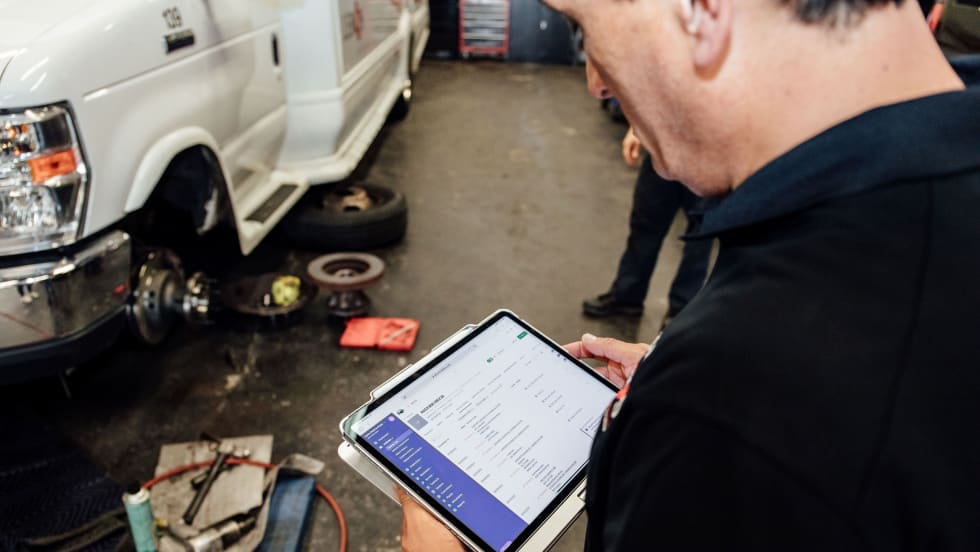
Reinventing Fleet Maintenance with Real-time Visibility and AI
Transit leaders need to know what needs fixing, where to look, who is responsible, when work is completed, and what it costs without having to chase information across disconnected systems.
Read More →