



What mobility option will make an impact at your operation?
With a plethora of options out there today, including bike-share and microtransit METRO asked top officials which they think will have the most impact at their agency.


Which mobility option (microtransit, autonomous vehicles, and bike-share) do you feel could have the most impact at your agency?

Amy E. Hill, MPA
GM/CEO, South Bend Public Transportation Corp. (Transpo)
South Bend, Indiana
Each mobility option has the ability to impact our agency. Bike-share supports transit by providing a valuable first-mile, last-mile solution, but can also negatively impact ridership in specific areas, such as college campuses. As we move forward and our service continues to evolve, microtransit could have the potential for the most impact at our agency. Like many agencies, we are challenged with finding cost-effective options for meeting service needs and filling gaps in service. Microtransit, and eventually autonomous vehicles, could be viable solutions.

Frazier
Charles D. Frazier
Executive Director
Rock Region Metro
Little Rock, Arkansas
Although not a replacement for highly productive routes, microtransit is flexible and, in this age of ‘on-demand service,’ appeals to the community at large. We can use existing fleet vehicles or partner with mobility companies to offer additional vehicles. We can also pinpoint service areas with microtransit, which may improve productivity in low-demand areas and can improve the customer experience. Microtransit is especially useful for addressing first/last-mile issues as well. Whether it’s the fleet, service area, or labor, microtransit can foster public transit innovation citizens are demanding.

Roelfs
Douglas Roelfs
GM, Greater Peoria Mass Transit District (CityLink)
Peoria, Illinois
I believe microtransit will be the next step for the Greater Peoria Mass Transit District. While conventional bus stop
and fixed-route service works well in
the larger urban setting, smaller urban transit agencies have to be more flexible and use other methods, because we don’t have the ridership demand to sustain the shorter and more convenient headways. If a passenger misses a bus or cannot get to the next closest stop, they want to have alternative options.
More New Mobility

From Hardware to Digital Partner: Luminator Charts Its Next Chapter
CEO Magnus Friberg discusses Luminator’s shift toward becoming a digital partner, the growing importance of software and interoperability, and how AI can help agencies improve operations and passenger experience.
Read More →
Biz Briefs: Alstom Lands Canadian Contract, LYT to Supply California TSP, and More
In METRO's latest installment, we take a look at recent news from Complete Coach Works, Beep, FlixBus, and more partnerships making headlines across the transportation sector.
Read More →
CharterUP’s Armir Harris on Technology, AI, and the Future of Group Mobility
In a recent episode of METROspectives, CharterUP Founder/CEO Armir Harris discussed the company’s evolution from an online charter bus marketplace into a technology platform supporting public- and private-sector mobility and much more.
Read More →
Jacksonville’s NAVI Project Charts a New Course for Autonomous Public Transportation
Through its NAVI program, JTA is showing how autonomous vehicles, intelligent infrastructure, and coordinated operations can work together to deliver everyday public transportation.
Read More →
Biz Briefs: Luminator Marks Milestone and More
From manufacturers and suppliers to transit agencies and motorcoach operators, these updates offer a snapshot of the projects, partnerships and business moves driving the industry forward.
Read More →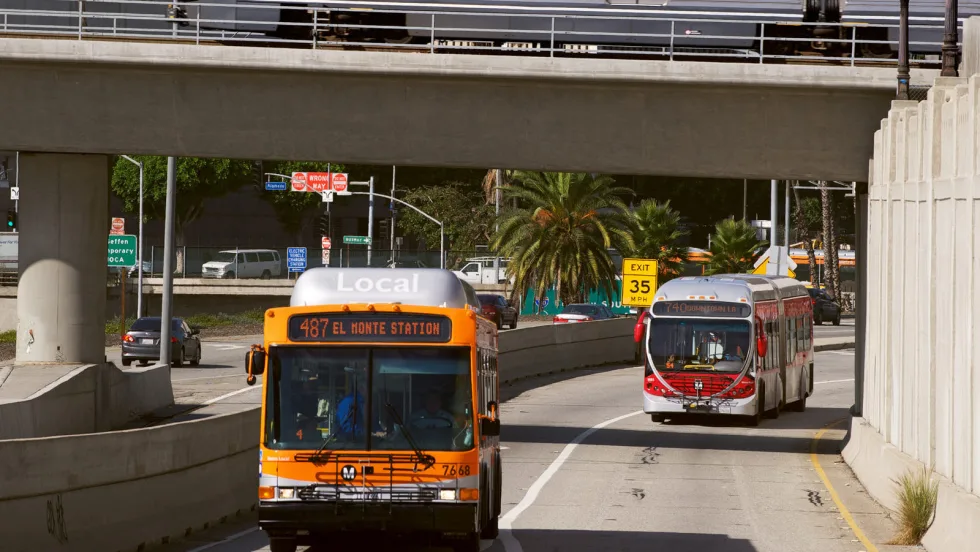
New Tricks for Old Bureaucracies: Joshua Schank on Making Transit Innovation Stick
Former LA Metro Chief Innovation Officer Joshua Schank discusses why good ideas aren't enough, how transit agencies can overcome resistance to change, and why today's challenges demand more innovation.
Read More →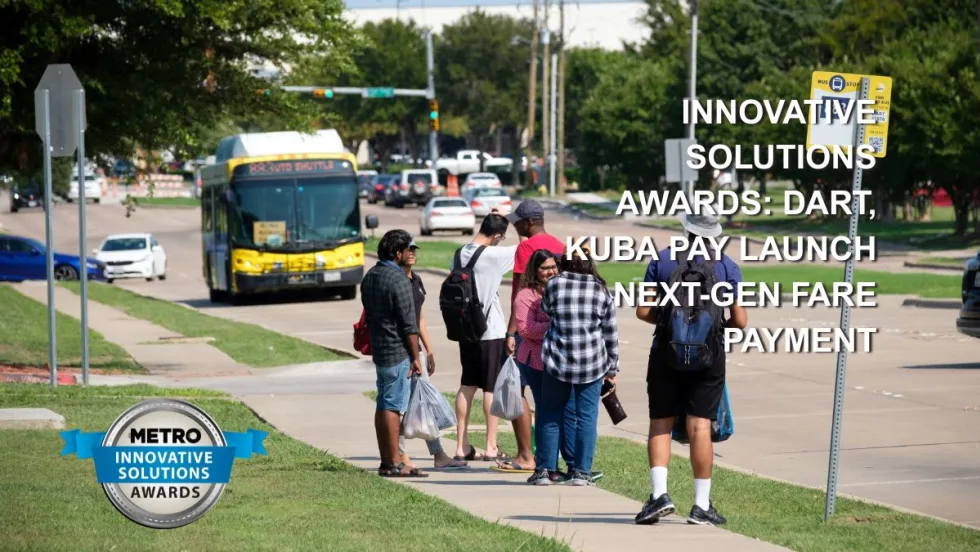
How DART's GoPass Is Redefining Regional Mobility
Serving 14 transit agencies, GoPass simplifies multimodal travel by allowing riders to plan, pay for, and manage an entire trip through one app.
Read More →
Biz Briefs: OCTA Taps Clean Energy for Hydrogen Station, Stadler to Supply Via Rail Vehicles, and More
From manufacturers and suppliers to transit agencies and motorcoach operators, these updates offer a snapshot of the projects, partnerships and business moves driving the industry forward.
Read More →CharterUP Expands Into New Mobility and Autonomous Transportation
Vice President of New Mobility Stephen Joos discusses how CharterUP is leveraging its nationwide transportation network, technology platform, and autonomous vehicle partnerships to expand into workforce mobility, campus shuttles, and transit solutions.
Read More →
METRO Magazine Announces 2026 Innovative Solutions Awards Winners
Projects Recognized for Advancing Mobility Through Technology, Accessibility, Workforce Innovation, and Operational Excellence
Read More →