



Where is the 'Sorriest Bus Stop' in America?
All contenders bore witness to a transportation system where no expense is spared to save highway commuters a few moments, but basic amenities for transit are seen as optional.

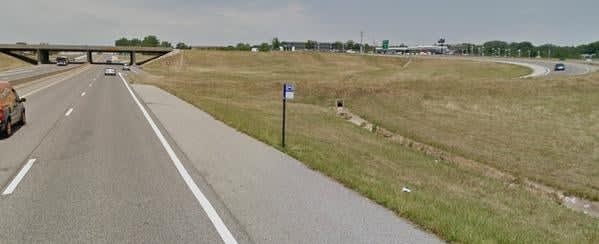
This bus stop in the St. Louis suburb of Maryland Heights was the overwhelming favorite for sorriest bus stop. Image via NextSTL

(This story by Angie Schmitt was original posted on StreetsblogUSA.)
In the end, it was never even close. This bus stop on Lindbergh Boulevard in suburban St. Louis won wire-to-wire in the voting for the Sorriest Bus Stop in America.
There was plenty of worthy competition, but something stood out about this stick in the ground next to what seems to be a divided highway. The only thing marking the stop is a single, lonely signpost — no sidewalk, no bench, and not much in the way of destinations.
RELATED:(video) Best bus stop ever!
The stop is actually an important connection point, as a spokesperson from St. Louis Metro Transit explained in the comments (we confirmed that it was in fact Metro):
The stop is on Lindbergh, a major north-south artery. The speed limit is 40 MPH in that section (it is not a freeway.) The overpass you see in the photo is Page Avenue, a major east-west artery. Vehicles use exit ramps to make the connection between the two streets, but there is no safe way for pedestrians to cross between Page and Lindbergh. So, the Page bus leaves Page Avenue, drops people off at that bus stop who need to transfer to the Lindbergh bus, and then returns to Page. It looks odd, but serves an important purpose.
Metro spokesperson Patti Beck added: “We do need to help our customers get to where they need to go and there is no pedestrian infrastructure along those two major roads.” She said the agency tries to work with municipalities in its service area to ensure there is proper pedestrian infrastructure when possible.
Indeed, the lion’s share of the blame doesn’t lie with Metro, but with the public officials and agencies who have created such a far-flung, high-speed street network. Transit, walking, and amenities for bus passengers are afterthoughts.
The runner-up in the competition, with 221 votes, was this horror in Cleveland — which, by the way, actually is on a limited access highway. (The bus stop is marked only by a very tiny circle under the Interstate 71 sign.) This bus stop serves Cleveland Hopkins International Airport:
One commenter who identified as a long-time transit planner explained how these types of debacles happen:
Sometimes you find yourself in a situation where there is no good location for a bus stop. You then have to decide whether no stop is better than a bad stop. Local residents often advocate for the latter, as without a stop they’re stuck. Many jurisdictions don’t want to spend the money needed for even minimal physical improvements, figuring that’s “the bus system’s problem.” Transit systems, on the other hand, don’t want to set a precedent for making street improvements all over town. It’s a difficult situation, made worse by the reluctance of both governments and local residents to compromise auto speed for pedestrian safety.
All of our contenders bore witness to a transportation system where no expense is spared to save highway commuters a few moments, but basic amenities for transit are seen as optional. Thanks to everyone who participated.
Angie Schmitt is a newspaper reporter-turned planner/advocate who manages the Streetsblog Network from Cleveland. She also writes about urban issues particular to the industrial Midwest at Rustwire.com.
More Management
ABAF Study Reveals Growing Insurance Crisis for Motorcoach Operators
Preliminary findings show 98% of operators faced premium increases over the past five years, while shrinking insurer participation is putting added pressure on businesses and customers.
Read More →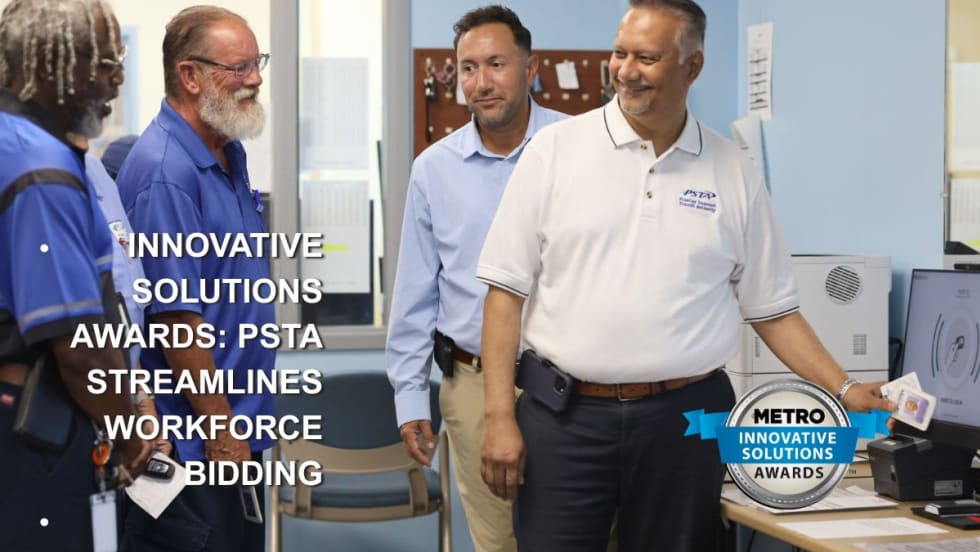
PSTA Modernizes Workforce Management with Digital Bidding System
The award-winning Workforce Transit Modernization project replaced paper bidding with a transparent digital platform, cutting administrative effort while improving access for operators.
Read More →
Chicago to Host Public Transportation's Biggest Gathering at APTA TRANSform & EXPO 2026
North America’s largest public transportation gathering returns to Chicago, connecting transit decision-makers with the technologies, ideas, and partnerships driving the industry forward.
Read More →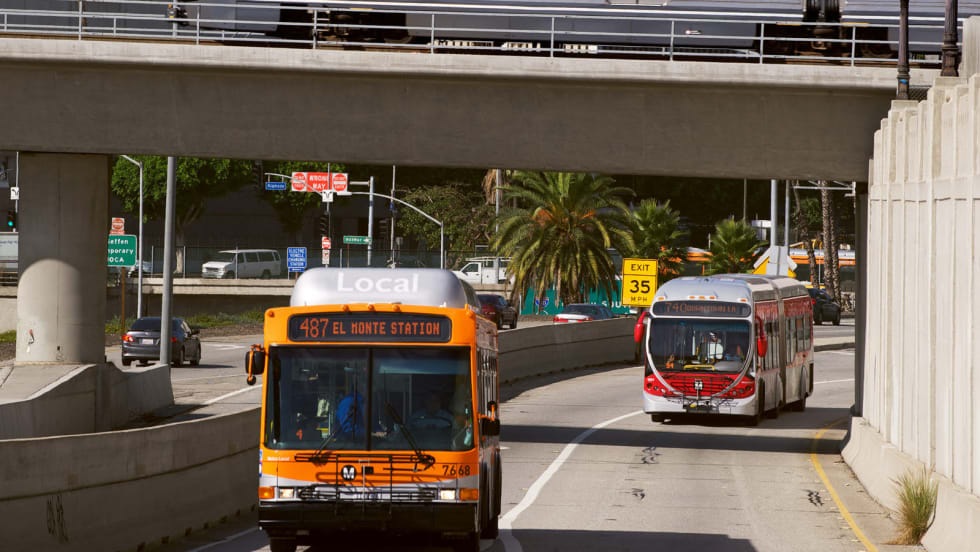
New Tricks for Old Bureaucracies: Joshua Schank on Making Transit Innovation Stick
Former LA Metro Chief Innovation Officer Joshua Schank discusses why good ideas aren't enough, how transit agencies can overcome resistance to change, and why today's challenges demand more innovation.
Read More →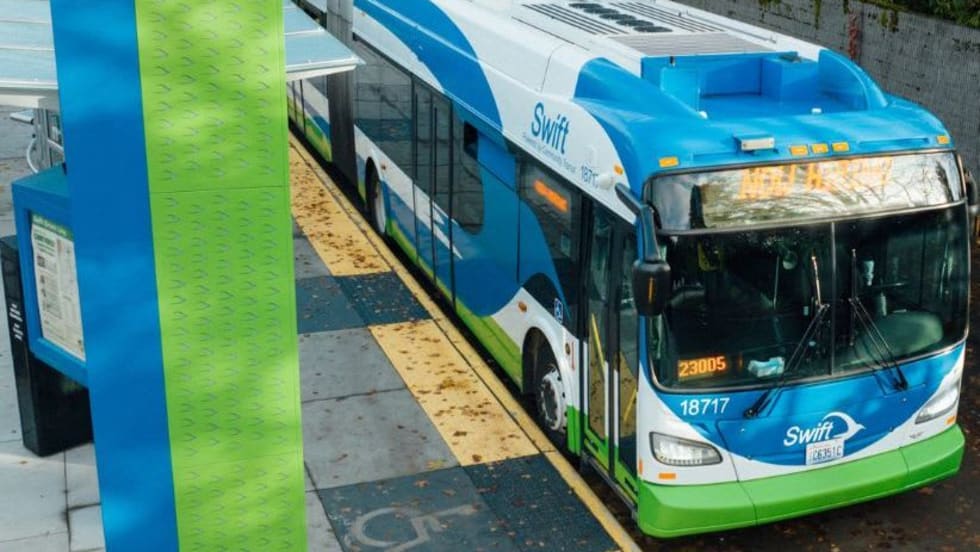
Washington's Community Transit Sets Six-Year Roadmap for Growth, Expansion
Approved TDP targets more bus service, new mobility options, Swift BRT expansion, and a potential Everett Transit annexation.
Read More →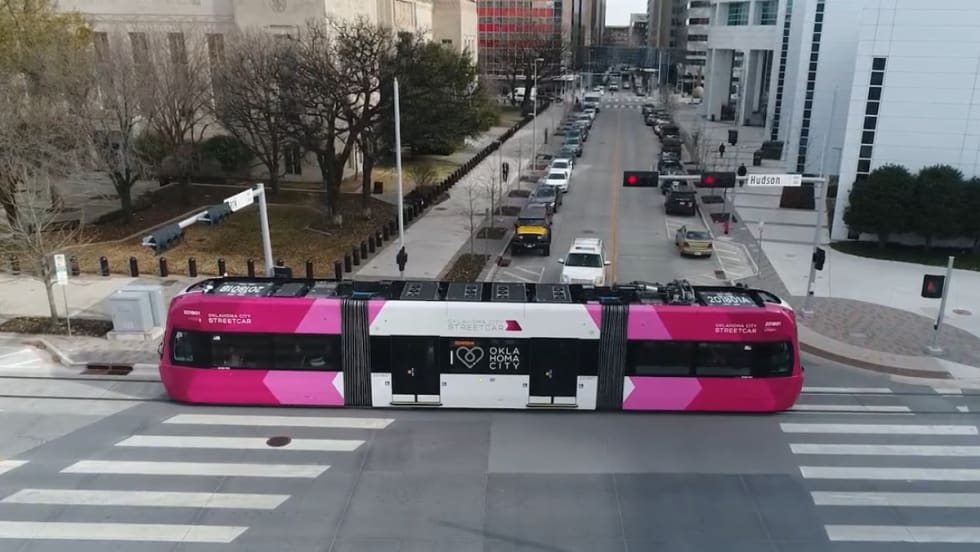
OKC Streetcar Makes Zero-Fare Service Permanent
Ridership increased an average of 71% compared with the same period a year earlier during the fare-free pilot.
Read More →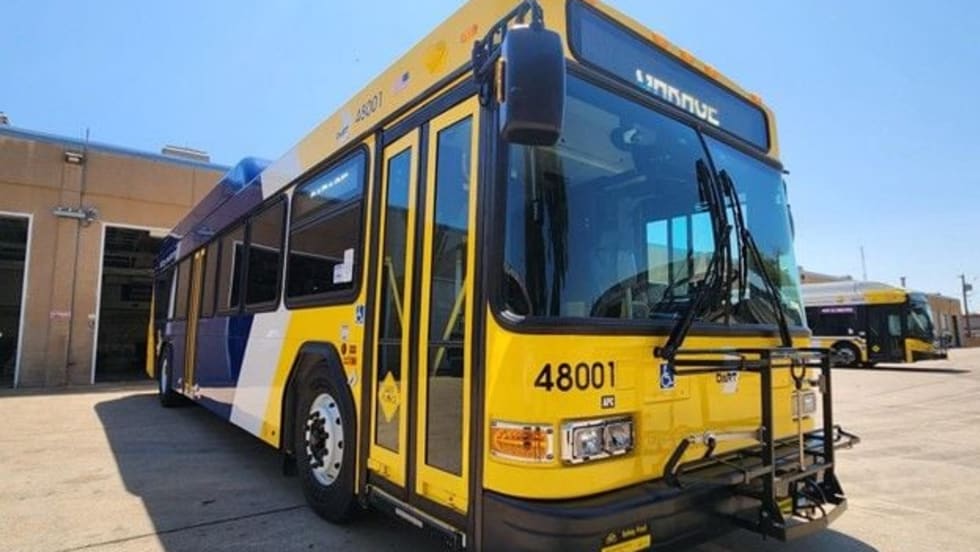
DART Customer Satisfaction Reaches Six-Year High
Overall satisfaction rose to 74.9%, while the agency’s Net Promoter Score reached a record 33.7.
Read More →
House Surface Transportation Bill Advances as Transit Funding Debate Intensifies
A bipartisan transportation package moving through Congress could redefine how the U.S. funds highways, transit, and motorcoach travel, while igniting new fights over electrification, regulation, and federal priorities.
Read More →
How Data, Strategy, and Community Engagement Are Reshaping Transit
In this edition of METROspectives, strada360 CEO Steve Lassey discusses how transit agencies can better align planning with operations, leverage data to improve decision-making, and build public trust as they prepare for the future of mobility.
Read More →
Amtrak Board Advances Plan to Restructure Organization, Seeks Public Input
The proposal, developed by Amtrak management and approved by the board for further consideration, is intended to modernize the organization's structure while improving accountability, operational efficiency, and customer service.
Read More →