




Fully implemented, the Energy Action Plan is expected to net $16 million annually in energy cost savings and another $13 million in savings on operations and maintenance expenses by 2025.
WMATA launches plan to cut energy use, boost cost savings
The five-year initiative is a commitment by the agency to invest $65 million from its capital budget by 2025.
April 23, 2019
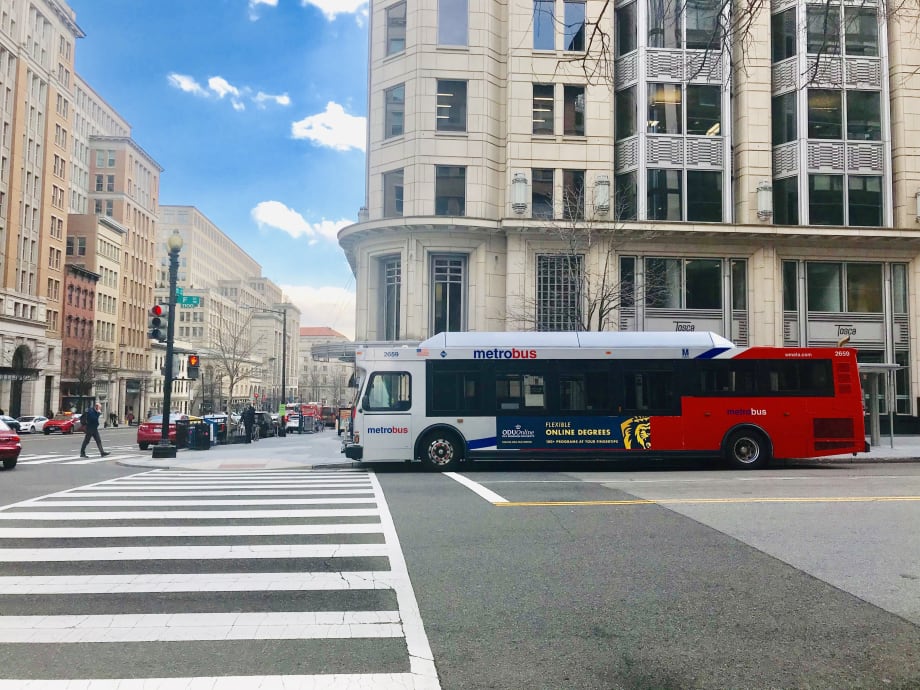
D.C.'s Metro launched a detailed plan to reduce energy usage, cut greenhouse-gas emissions and generate up to $29 million annually in energy and operational cost savings.
METRO Magazine
2 min to read
D.C.'s Metro launched a detailed plan to reduce energy usage, cut greenhouse-gas emissions and generate up to $29 million annually in energy and operational cost savings.
METRO Magazine
Washington Metropolitan Area Transit Authority (WMATA) launched its first-ever Energy Action Plan — a detailed roadmap to reduce energy usage, cut greenhouse-gas emissions and generate up to $29 million annually in energy and operational cost savings.
The five-year initiative is a commitment by WMATA/Metro to invest $65 million from its capital budget by 2025 in energy efficient technology, modernize operations, promote innovation, and reduce operating costs to support a sustainable future. Highlights of the plan:
Metro's new Potomac Yard Station is being designed to be the first-ever LEED Certified transit station in the U.S.
Metro's new headquarters building, located near L'Enfant Plaza, will be designed to LEED platinum standards, the highest level of energy efficiency and green building.
Metro is developing an electric bus deployment strategy to pilot and evaluate the use of electric buses in the fleet.
The net energy savings resulting from the Energy Action Plan are estimated to be the equivalent of taking 35,000 vehicles off the road each year.
Riders can see the environmental benefit of choosing Metro through a new sustainability calculator on the Trip Planner at wmata.com. Each time a rider plans a trip, the results will include information on how much that trip contributes to reducing the region's carbon footprint.
Every trip on Metro keeps cars off the road. By providing nearly one million passenger trips each weekday, Metro provides a sustainable transportation option and each Metrorail trip generates 40% less CO2 than someone driving the same distance alone. The CO2 saved by Metro's ridership each day — 1,110 metric tons — is the equivalent of:
Burning 125,000 gallons of gasoline
Energy to power 48,500 homes
Electricity to charge 140 million cellphones
New technology already being implemented will further reduce energy use and costs. For example, through regenerative braking systems on Metro's new railcars,the transit agency is recovering energy from trains as they decelerate and feeding it back into the traction power system. Metro's net-zero water treatment facility in Largo uses gravity-fed treatment tanks and solar panels to provide the energy necessary to treat water from the tunnels and safely return it to the environment.
New, improved LED trackbed lighting has been installed at 23 underground rail stations with upgrades planned at all 48 stations and additional Metro facilities over the next two years.
These investments in energy efficiency will help the region meet its environmental goals and result in less money spent on energy infrastructure, lower operating costs, and lower emissions consistent with the District of Columbia's Clean Energy Plan.
Fully implemented, the Energy Action Plan is expected to net $16 million annually in energy cost savings and another $13 million in savings on operations and maintenance expenses by 2025.
More Management

METRO Opens Submissions for 2026 Motorcoach Awards
Nominations are now being accepted for METRO Magazine’s Operator of the Year and Innovative Operator of the Year awards.
Read More →
New York MTA Advances Final Contract for Second Avenue Subway Expansion
Contract Four is the largest in the Second Avenue Subway Phase 2 project and includes construction of station infrastructure, tracks, and signals for the subway expansion, MTA officials said. Work on Contract Four will begin in 2027.
Read More →
Transit Agencies Highlight Safety Gains at National Summit
Leaders from 15 major transit systems shared crime-reduction results and safety initiatives while discussing the role of continued federal support.
Read More →

NITA Names New Leadership, Expands Reduced-Fare Program at First Board Meeting
The new regional transit authority appointed its first board chair and interim executive director while extending reduced fares across CTA, Metra, and Pace for eligible riders.
Read More →
Beyond the Checklist: A Structured Approach to Transit Maintenance
Reliability-Centered Maintenance helps transit agencies move beyond routine checklists to focus limited resources on the assets and failures that have the greatest impact on safety, reliability, and service.
Read More →
APTA 2026 Nominating Committee Selects Leadership Slate, Names Chair and Vice Chair Nominees
Leadership changes will help shape the association’s priorities and its representation of the transportation industry during the 2026–2027 term.
Read More →
DART Launches Major Security, Fare Enforcement Initiative
The 90-day demonstration will deploy coordinated security teams at five light rail stations while testing controlled access and gathering data to guide future investments.
Read More →
Sponsored•September 9, 2026
Advancing Fare Collection Through Technology and Innovation
Learn about delivering 1300 gates at 91 stations while managing fare evasion. Explore the large scale deployment, solution customization and real-world results that affect the region. Prepare for deployment in your region now.
Read More →
Game Day in Motion: Moving Millions During the 2026 World Cup
Between packed transit stations and team motorcoaches, see how agencies and operators across North America tackled the transportation demands of the 2026 FIFA World Cup.
Read More →
Surface Transportation Extension Averts Shutdown, Leaves Transit Funding Gap
The stopgap keeps federal transportation programs moving, but missing advance funding could complicate the transit and rail projects agencies are planning next.
Read More →