




RELATED: WMATA testing tech bands for improved rail worker safety
WMATA launches plan to get rail line 'Back to Good'
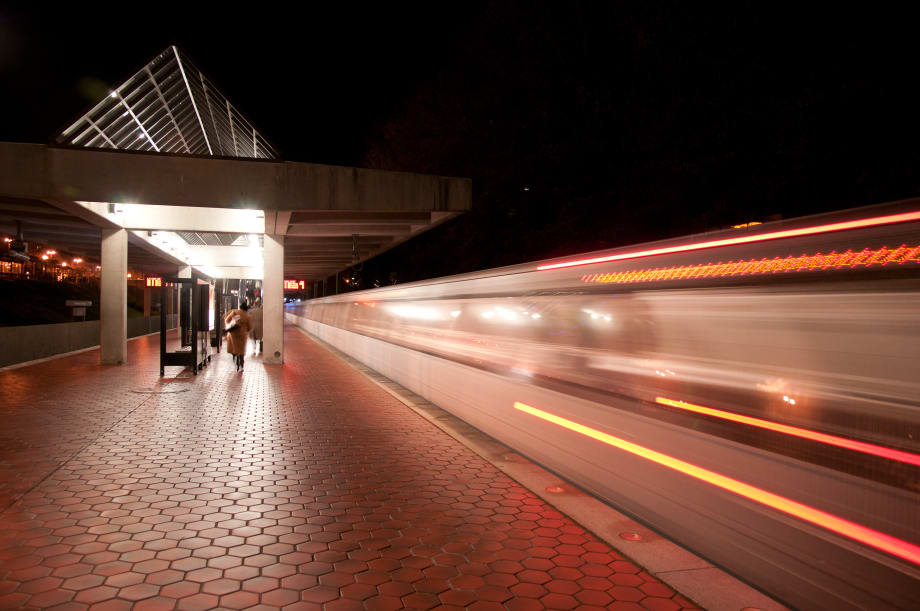
Plan includes a train reliability program that cuts railcar delays by first retiring the oldest (1000-series) and least reliable (4000-series) cars in the fleet by the end of 2017.
December 5, 2016
Larry Levine
3 min to read
Larry Levine
Marking his first anniversary since taking the helm of the Washington Metropolitan Area Transit Authority (WMATA) GM/CEO Paul J. Wiedefeld laid out next steps for the authority to move beyond track work to get trains running safely and reliably.
“While we remain focused on track safety and reliability, we must tackle the fact that six of every 10 train delays are due to issues with our railcars,” said Wiedefeld. “Getting back to good means running trains safely and on time.”
The “Back2Good” plan includes a train reliability program that cuts railcar delays by first retiring the oldest (1000-series) and least reliable (4000-series) cars in the fleet by the end of 2017. The success of ramping up new railcar deliveries this year also means WMATA plans to convert all eight-car trains to new 7000 series railcars next year.
In addition, a “Railcar Get Well Program” for the legacy fleet began in November as a massive component repair and replacement campaign. The 2000-, 3000-, 5000-, and 6000-series cars will undergo replacement and repair of HVAC, doors, propulsion systems, and brakes that plague train reliability today. For the first time, that program is being overseen by independent quality assurance teams at Metro. Sixty percent of all train delays on Metro are caused by railcar mechanical performance and the new plan targets a 25% reduction in those delays by the end of next year.
Wiedefeld said that safety would continue to be his top priority and plans to use technology to prevent red signal overruns and strengthen protection for track workers and inspectors. New software installed onboard trains will prevent train operators from passing a red signal by requiring the operator to perform certain actions before they can move their train. In addition, stations that have the highest frequency of red signal overruns are having their signals upgraded to brighter LED bulbs to improve their visibility to operators and prevent overruns, a project that will be completed in early 2017.
Work is also underway to install a new public radio system and cellular service in the tunnels, with cellular service in certain underground segments of the Blue, Orange and Red lines coming online in 2017.
Without compromising safety, Wiedefeld said the focus for the agency is increasingly on the customer experience and WMATA employees will be accountable for improving the service through new measures of success.
The two measures include the actual travel times experienced by WMATA riders using the MyTripTime tool aggregated for all trips — showing whether a customer’s travel experience is reliable based on the amount of time it takes for customers to tap in and out of the system during their trip. He added another new measure that goes deeper than traditional customer satisfaction, reflecting how riders rate their experiences on personal safety and security, reliability, and customer service through quarterly surveys. The measures will be updated on wmata.com so riders can monitor progress.
Reflecting the challenges of the past year, the MyTripTime reliability rating is currently 70%, and the overall customer experience rating as of Fall 2016 is 68%.
“We will know we are doing better when our customer experience improves,” said Wiedefeld. “Rider experience, and actual travel times, will tell us that we are getting back to good.”
To communicate directly with riders about the progress WMATA is making to restore safety and reliability to the system, a marketing effort was launched today that includes in-system signage, special web pages detailing the Back2Good plan at wmata.com, outreach through social and digital media, and print and broadcast advertising through local media.
“Our message to our customers is we know we need to do better to earn your trust, and we are working hard to do just that,” Wiedefeld said. “Before we can once again be a great transit system, we have to first be good, and we are committed to delivering safe and reliable service for our riders and the region.”
More Rail

Scenes from APTA TRANSform & EXPO 2026
Transit leaders, manufacturers, and industry professionals gathered in Chicago to explore new technologies, share ideas, and discuss the future of public transportation.
Read More →
USDOT Awards $416 Million for Florida Rail Crossing Safety Upgrades, New Brightline Station
The projects aim to reduce risks for motorists and pedestrians at rail crossings while expanding passenger rail access along Florida’s Space Coast.
Read More →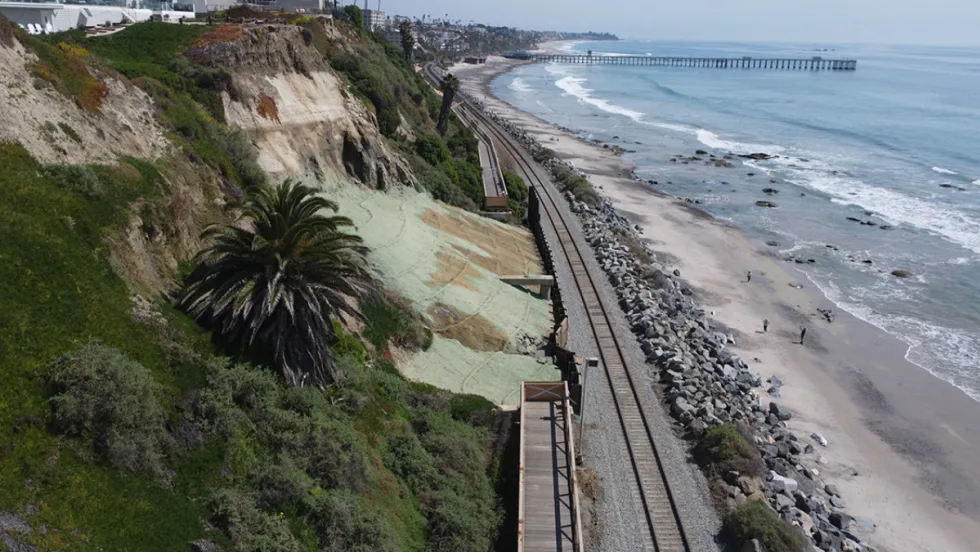
OCTA Declares Emergency to Protect Rail Corridor From Coastal Erosion
The California agency is accelerating shoreline protection and plans to place approximately 690,000 cubic yards of sand along the San Clemente coast to protect a key passenger and freight rail link.
Read More →
More Than a Summer Job: Building the Next Generation of Transit Talent
The Delaware River Port Authority and PATCO have transformed their internship program into a hands-on professional development experience that introduces students to the breadth of transportation careers — and creates a pipeline for future employees.
Read More →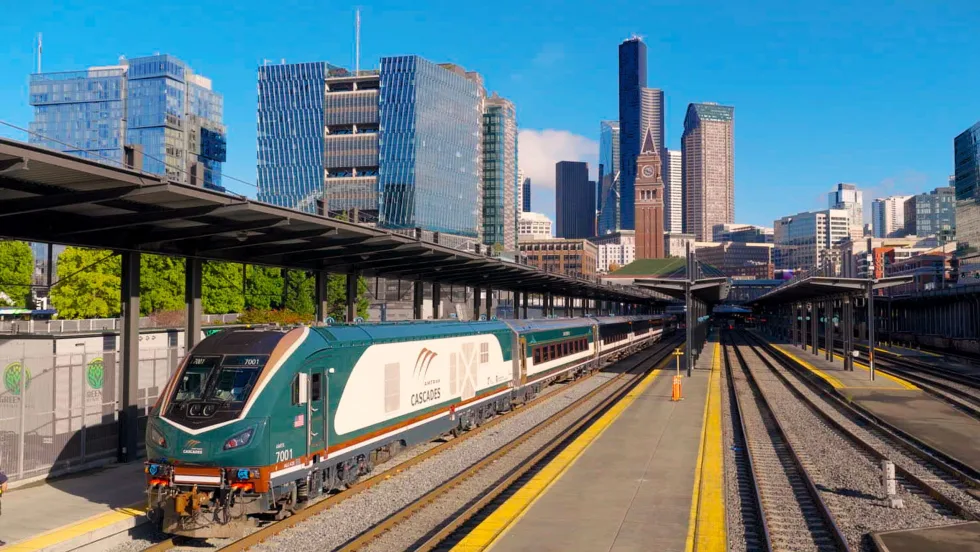
Airo Trains Make Their Amtrak Cascades Debut in the Pacific Northwest
Effective immediately, two cutting-edge Airo trainsets will join the Amtrak Cascades route, operating four daily trips between Vancouver, B.C., Seattle, Portland, and Eugene, Oregon, marking the first introduction of Airo trains into passenger service anywhere in the country.
Read More →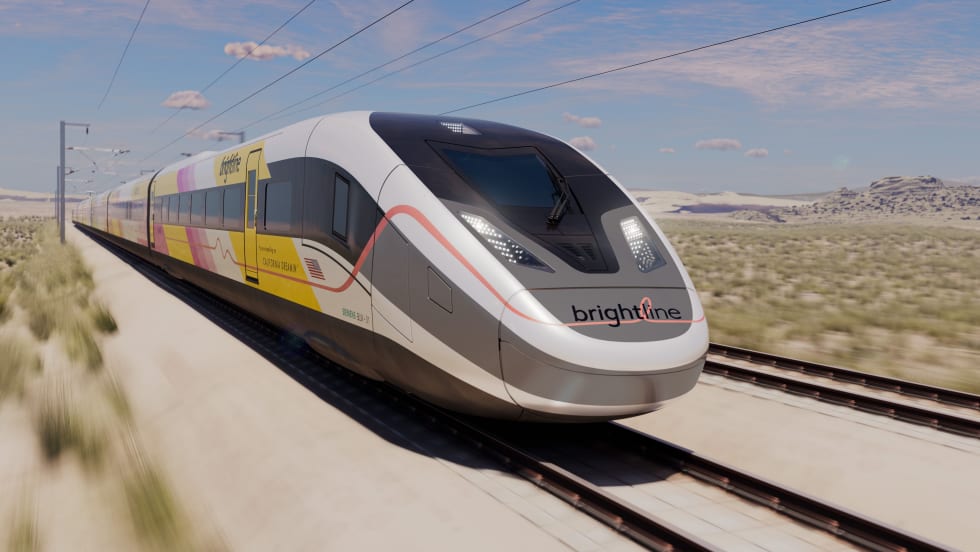
Florida's Brightline Announces Financial Restructuring
Brightline Florida says train operations will continue as normal as certain parent entities enter Chapter 11 and financial stakeholders provide $490 million in new long-term capital.
Read More →
ENC Lands MATA Contract and More in Biz Briefs
In this edition of Biz Briefs, we spotlight the latest developments shaping the future of mobility.
Read More →
Strada360’s Steve Lassey on Turning Transit Data Into Better Decisions
From breaking down data silos to preparing for AI, Strada360 CEO Steve Lassey discusses how transit agencies can use technology to improve operations, customer information, and long-term decision-making.
Read More →
SEPTA Details Accelerate Vision for Transit System
The plan outlines investments in trolley modernization, new Metro and Regional Rail vehicles, accessible stations, and more frequent bus and rail service.
Read More →
FTA Ends Direct Oversight of MBTA Safety Actions
The federal agency closed its remaining special directive to the Massachusetts Department of Public Utilities following a safety review that began in 2022.
Read More →