



WMATA OK'd to Return More 7000 Railcars into Service
The revised plan includes the introduction of cars with solely high press tonnage axles on the Blue, Orange, and Silver Lines, and the introduction of a limited number of cars with low press tonnage axles each day on the Red, Yellow, and Green Lines.

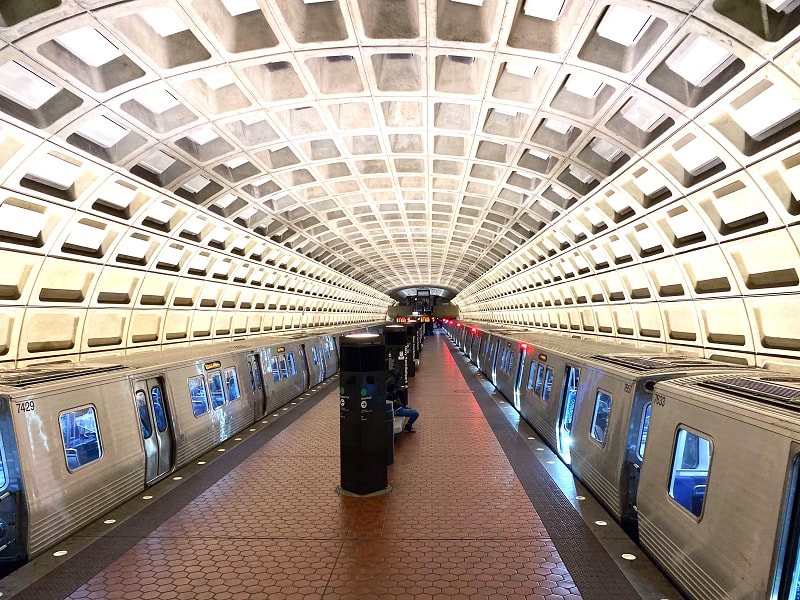
The increased availability of 7000s will support opening the Silver Line extension before Thanksgiving and reduce crowding on the Red Line.
Larry Levine/WMATA
Following a review of the Washington Metropolitan Area Transit Authority’s (WMATA) "7000 Series Return to Service Plan revision," the Washington Metrorail Safety Commission (WMSC) informed the agency that it “has no technical objections to Metrorail’s revised plan as submitted.”
The revised plan includes the introduction of cars with solely high press tonnage axles on the Blue, Orange, and Silver Lines, and the introduction of a limited number of cars with low press tonnage axles each day on the Red, Yellow, and Green Lines.
The plan continues back-to-back and journal bearing inspections after every four consecutive service days and also includes specific data collection and analysis related to vehicles and vehicle-track interaction, including continued use of the Metrorail Vehicle and Track Working Group established under the September 2 plan to address engineering recommendations and suggestions and other data.
If supported by available data, future phases in the plan would include use of cars with low tonnage axles on all lines, followed by an adjustment of the back-to-back and journal bearing inspection interval for all 7000 Series cars to every seven days, according to the WMSC.
The increased availability of 7000s will support opening the Silver Line extension before Thanksgiving and reduce crowding on the Red Line. The plan identifies specific timeframes and well-defined steps for WMATA to return all trains for safe, reliable passenger service, according to WMATA officials.
“With this approval and close collaboration on the Silver Line extension safety report, Metro will be able to set an opening date in the near future,” said WMATA GM/CEO Randy Clarke. “I want to thank the Safety Commission for their collaboration on reaching this important safety milestone, so we have a clear path forward.”
According to the WMSC, the mitigations in the revised plan reflect currently known data including:
Wheel migration has been identified on more than 80 7000 Series axles since 2017 (including through the current inspection procedure).
That those trains in passenger use under Metrorail’s May 19 and subsequent WMATA Return to Service Plans to this point were selected from a specific group of 7000 Series cars.
Metrorail has generally not run cars with low press tonnage axles in non-passenger service to any significant degree for the last six months.
Available information continues to suggest there are multiple contributing factors to this wheel migration on 7000 Series cars, including factors that could differ across similar elements of the Metrorail system.
Wheel migration remains under investigation.
Metrorail will continue adjustments that have been made to referenced documents, training, and inspection-related systems that reflect lessons learned and implementation challenges that have been identified due to the WMSC’s ongoing oversight.
The first phase of this plan specifies that any cars with all high press tonnage axles may be used each day if compliant with inspection requirements, and that up to 80 cars with one or more low press tonnage axles may be used each day.
Since WMATA began its inspection process in June, 694 railcars have been inspected more than 72,000 times and have operated safely over three million miles.
More Rail
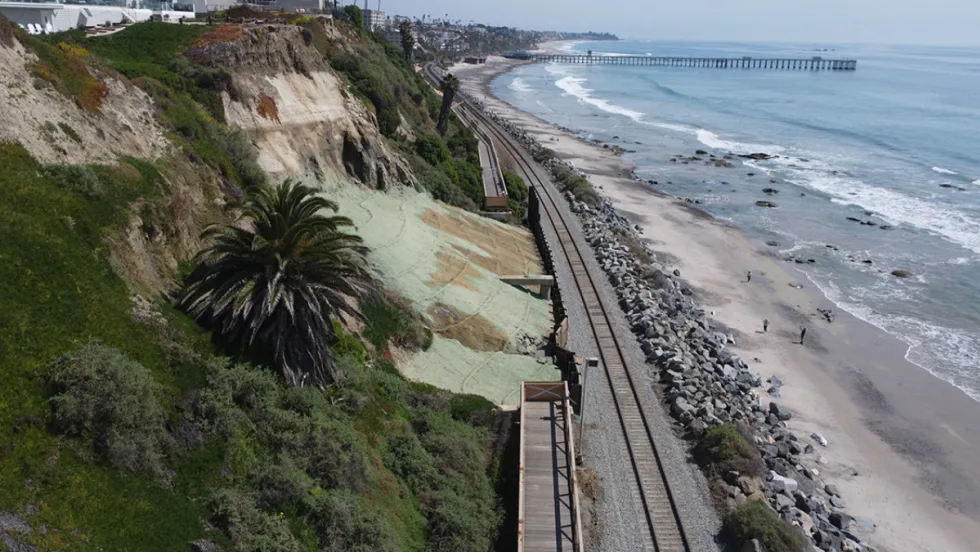
OCTA Declares Emergency to Protect Rail Corridor From Coastal Erosion
The California agency is accelerating shoreline protection and plans to place approximately 690,000 cubic yards of sand along the San Clemente coast to protect a key passenger and freight rail link.
Read More →
More Than a Summer Job: Building the Next Generation of Transit Talent
The Delaware River Port Authority and PATCO have transformed their internship program into a hands-on professional development experience that introduces students to the breadth of transportation careers — and creates a pipeline for future employees.
Read More →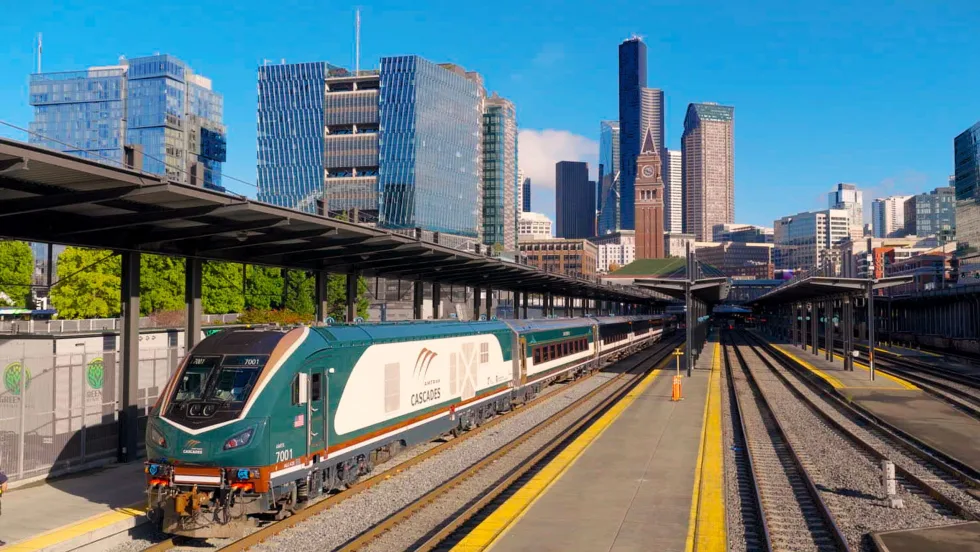
Airo Trains Make Their Amtrak Cascades Debut in the Pacific Northwest
Effective immediately, two cutting-edge Airo trainsets will join the Amtrak Cascades route, operating four daily trips between Vancouver, B.C., Seattle, Portland, and Eugene, Oregon, marking the first introduction of Airo trains into passenger service anywhere in the country.
Read More →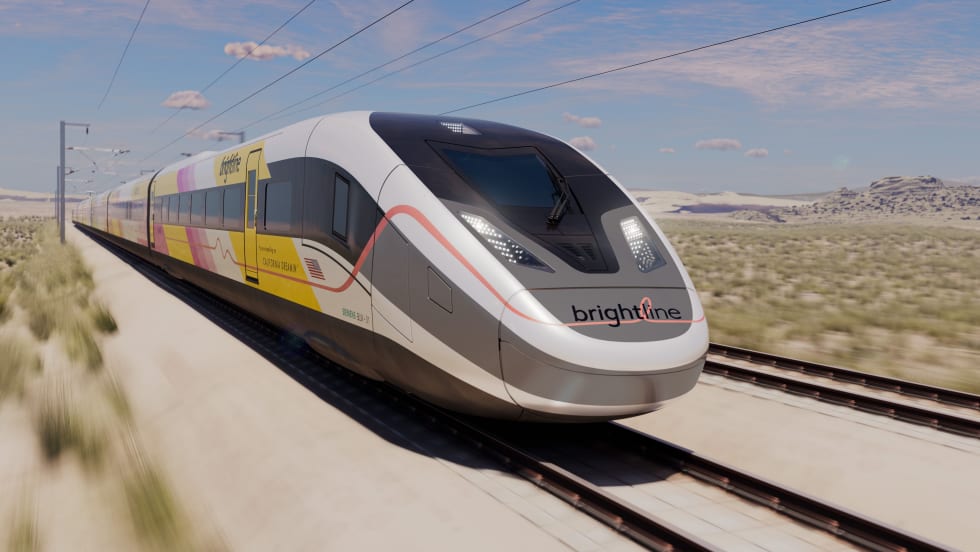
Florida's Brightline Announces Financial Restructuring
Brightline Florida says train operations will continue as normal as certain parent entities enter Chapter 11 and financial stakeholders provide $490 million in new long-term capital.
Read More →
ENC Lands MATA Contract and More in Biz Briefs
In this edition of Biz Briefs, we spotlight the latest developments shaping the future of mobility.
Read More →
Strada360’s Steve Lassey on Turning Transit Data Into Better Decisions
From breaking down data silos to preparing for AI, Strada360 CEO Steve Lassey discusses how transit agencies can use technology to improve operations, customer information, and long-term decision-making.
Read More →
SEPTA Details Accelerate Vision for Transit System
The plan outlines investments in trolley modernization, new Metro and Regional Rail vehicles, accessible stations, and more frequent bus and rail service.
Read More →
FTA Ends Direct Oversight of MBTA Safety Actions
The federal agency closed its remaining special directive to the Massachusetts Department of Public Utilities following a safety review that began in 2022.
Read More →
Amtrak, CN Reach Agreements to Strengthen Passenger Rail Service, Safety
The agreement resolves a more than decade-long proceeding before the Surface Transportation Board concerning the terms and conditions for Amtrak services, such as the City of New Orleans, Illini/Saluki, and Wolverine.
Read More →
New York MTA Advances Final Contract for Second Avenue Subway Expansion
Contract Four is the largest in the Second Avenue Subway Phase 2 project and includes construction of station infrastructure, tracks, and signals for the subway expansion, MTA officials said. Work on Contract Four will begin in 2027.
Read More →