
Metro Magazine

 MENU
MENU SEARCHMENUSEARCH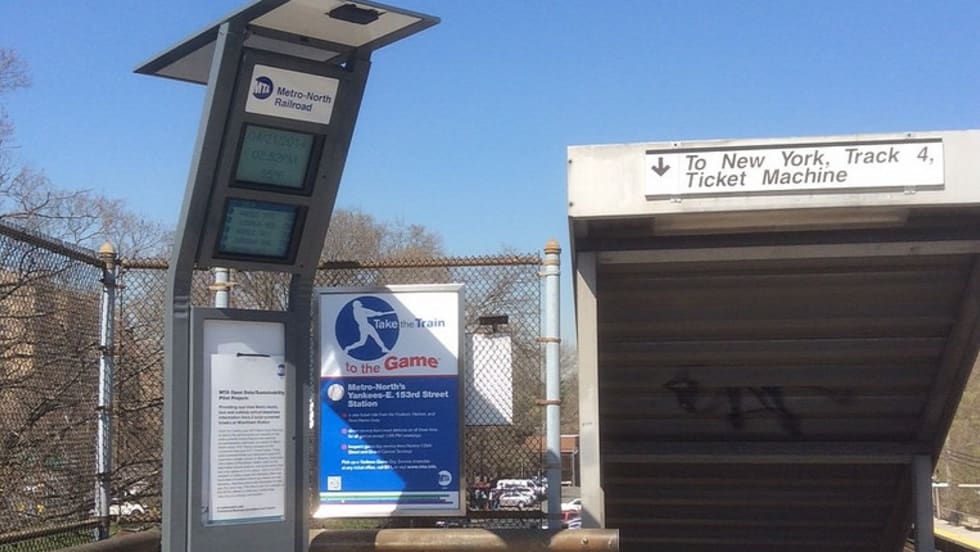
Powered 100% by sunlight, the kiosks draw no power from the electrical grid and can remain active for 10 days without needing to be recharged by the sun.
Read More →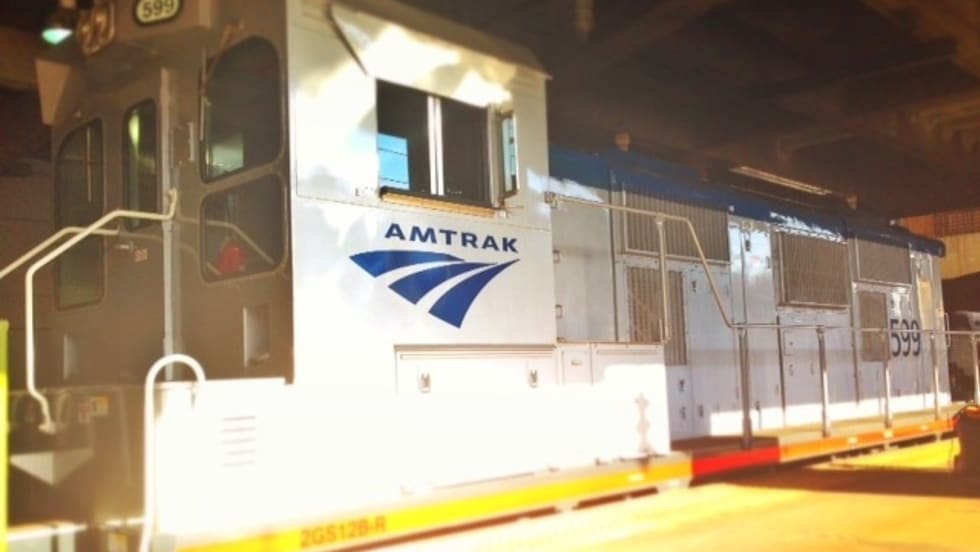
The newly-repowered locomotives are now used daily in Washington, D.C. The engine configuration helps reduce diesel fuel consumption by about 50% and produces fewer pollutant emissions.
Read More →
As part of city budget cuts, Tulsa Transit is being pushed to raise its fares and slash bus routes. The city is asking the transit system to cut about $1 million from what it has allotted in its budget this year.
Read More →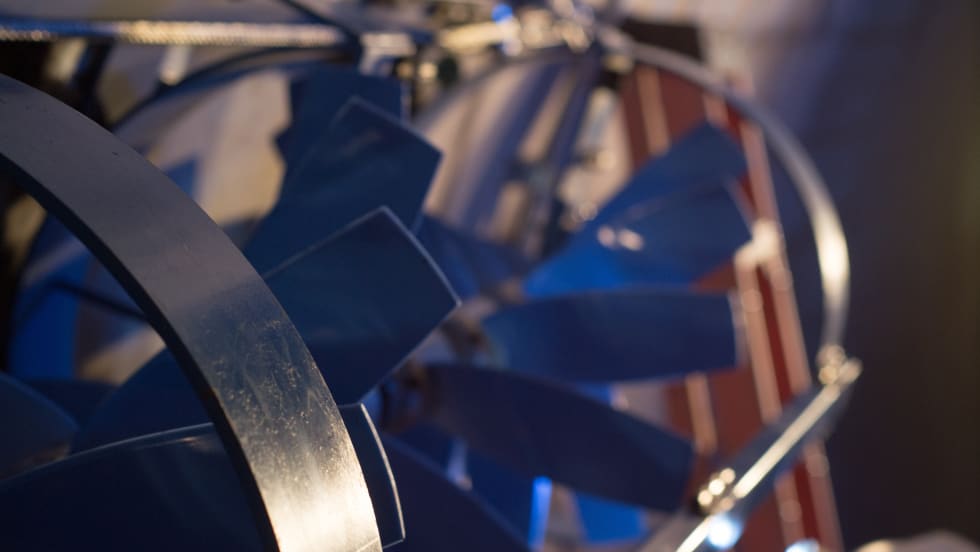
It is projected that the 10-foot airflow equipment could generate more than 28,000 kWh per year – enough to power about 12 homes in California for one year, or turn out approximately $6,000 per year in electrical production.
Read More →Suspect may have forged more than one thousand passes over the past several months.
Read More →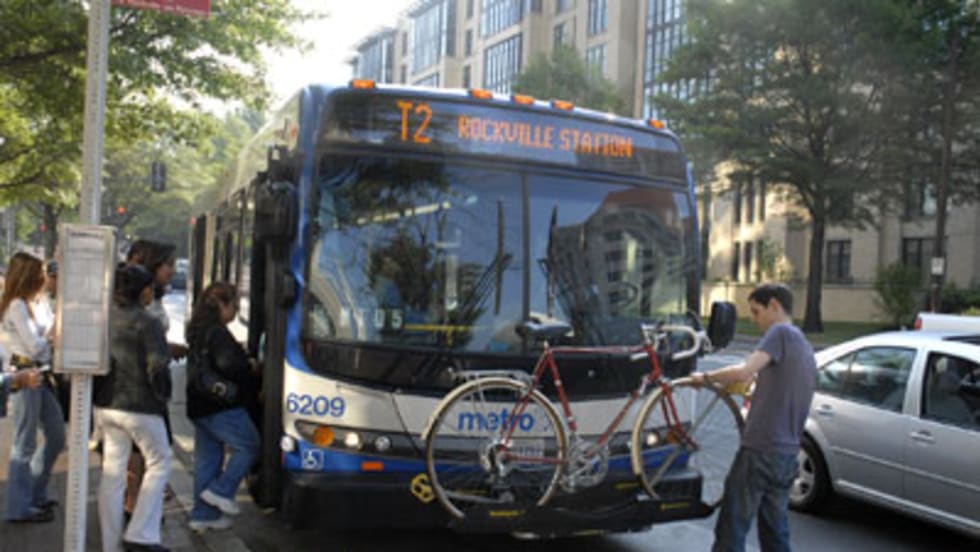
Other targets set by the new initiative include increasing Metro ridership 25% by 2025; increasing greenhouse gas displacement by 10% by 2025; and reducing water use per vehicle mile by 20% by 2025.
Read More →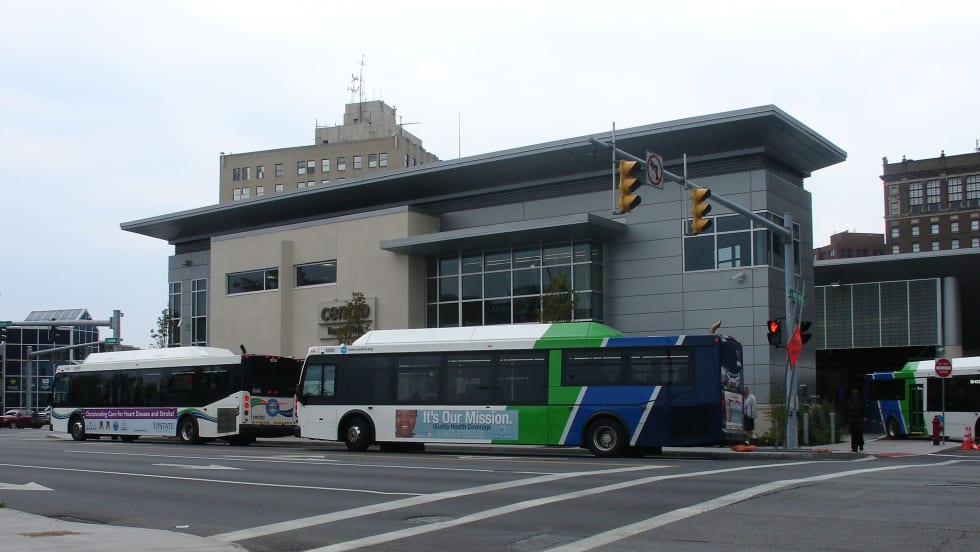
The Hub, which was designed by QPK Design and constructed by Bette & Cringe, opened in September 2012 and serves as the main transfer location for more than one million Centro riders annually.
Read More →Each fully-enclosed bike shelter will offer secure, card-key access from 5 a.m. to 1:30 a.m., daily, and will have space for 24 two-wheeled standard or electric bikes.
Read More →Analysis shows that while catastrophic motor carrier crashes are rare, the costs for resulting severe and critical injuries can exceed $1 million.
Read More →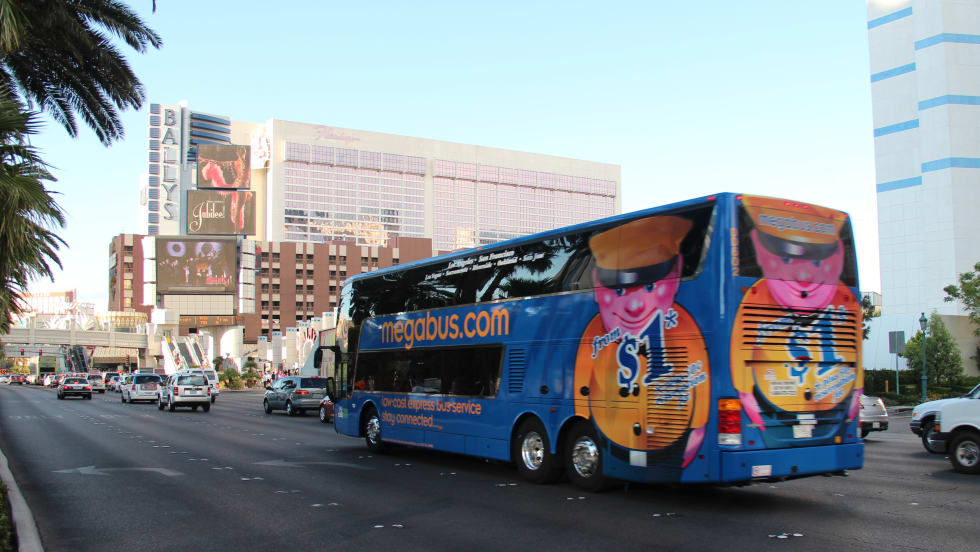
The Chaddick Institute for Metropolitan Development study evaluates the prices of travel between October 2013 and January 2014 on various modes of transportation — air, bus and rail — in 52 popular city pairs with travel distances between 100 and 500 miles under various advance purchase scenarios.
Read More →