
Metro Magazine

 MENU
MENU SEARCHMENUSEARCH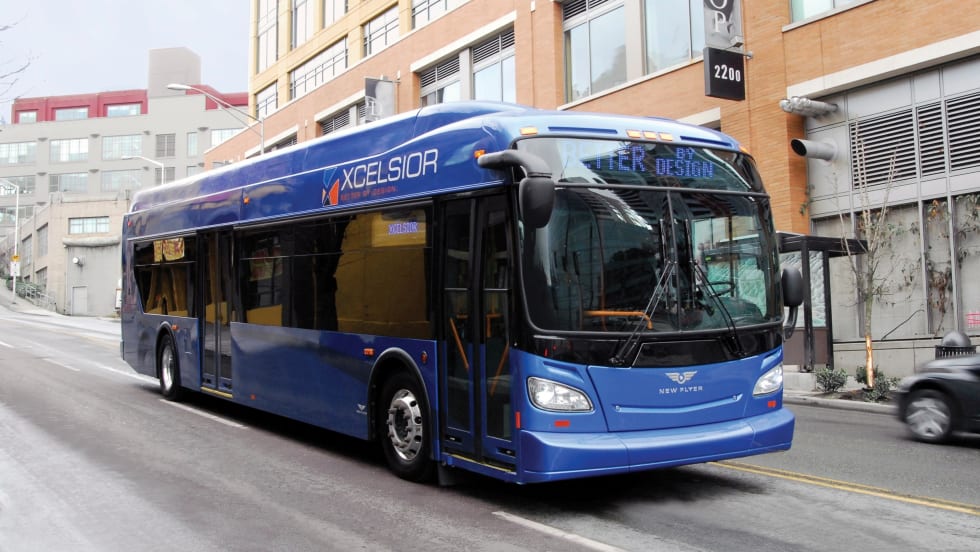
The contract for 110 XN40 buses contains a firm order for 52 buses with options for an additional 58 buses and is valued at approximately $53 million dollars.
Read More →
Des Moines Area Regional Transit's 60-foot low floor articulated buses will replace high-floor buses and include newly installed ramps, remanufactured power trains, transmissions, engines and brakes. It will also be equipped with two ADA compliant wheelchair lifts.
Read More →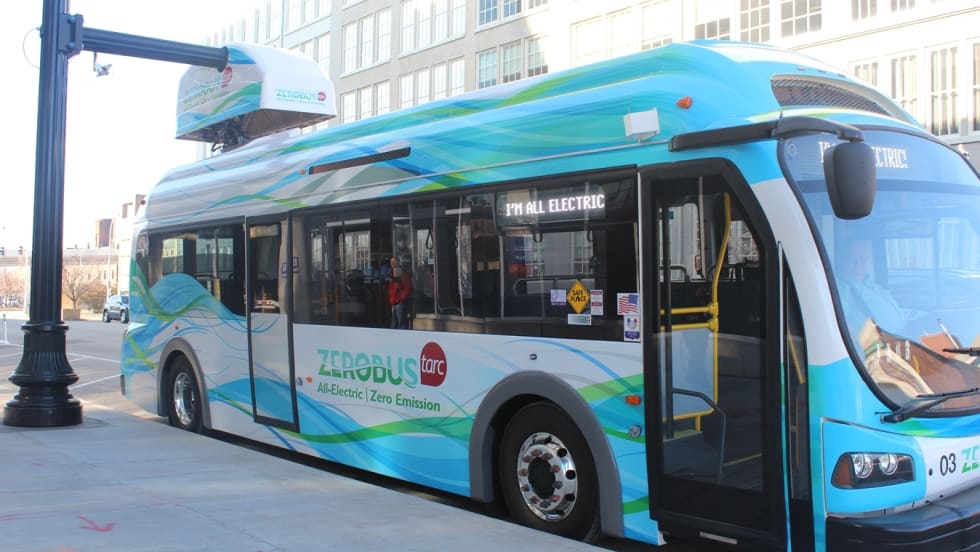
The agency, which celebrated its 40th year, marked the milestone with numerous changes, including the addition of 10 all-electric buses and 60 replacement buses, a new trip planner, and a new fare collection system set to launch this year.
Read More →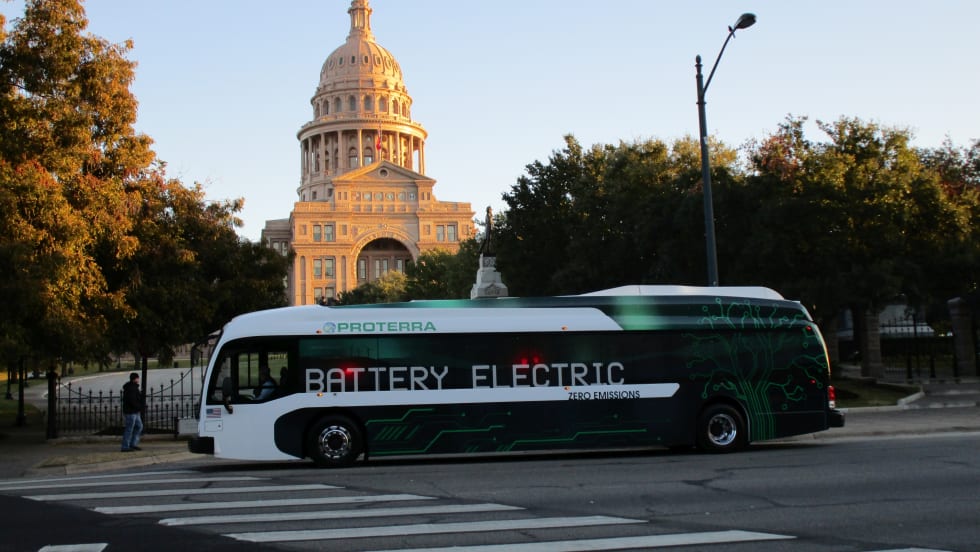
With the introduction of the new TerraVolt extended-range battery, Proterra buses can now be configured to travel up to 180 miles between charges.
Read More →
Amends the Criminal Code to make it an aggravating circumstance that the judge must consider if the victim of an assault is a public transit operator, defined to include drivers of not just city and intercity buses and surface rail, but also school buses, taxis, ferries and subways.
Read More →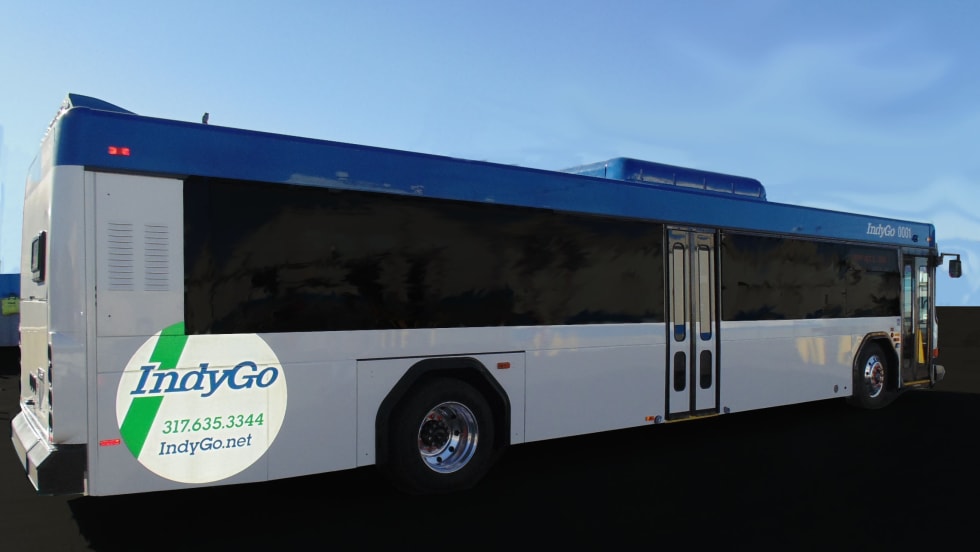
Each 40-foot electric bus carries 36 seated passengers plus standees and is equipped with air operated doors, brakes, suspension, hydraulic power-steering, stainless steel bike racks and LED lighting.
Read More →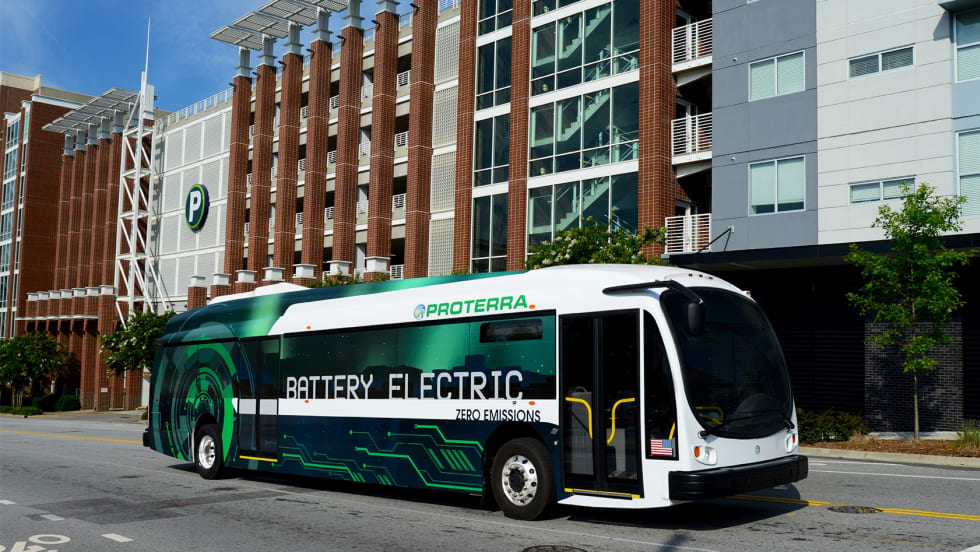
Six transit agencies awarded grants to purchase Proterra battery-electric buses and chargers.
Read More →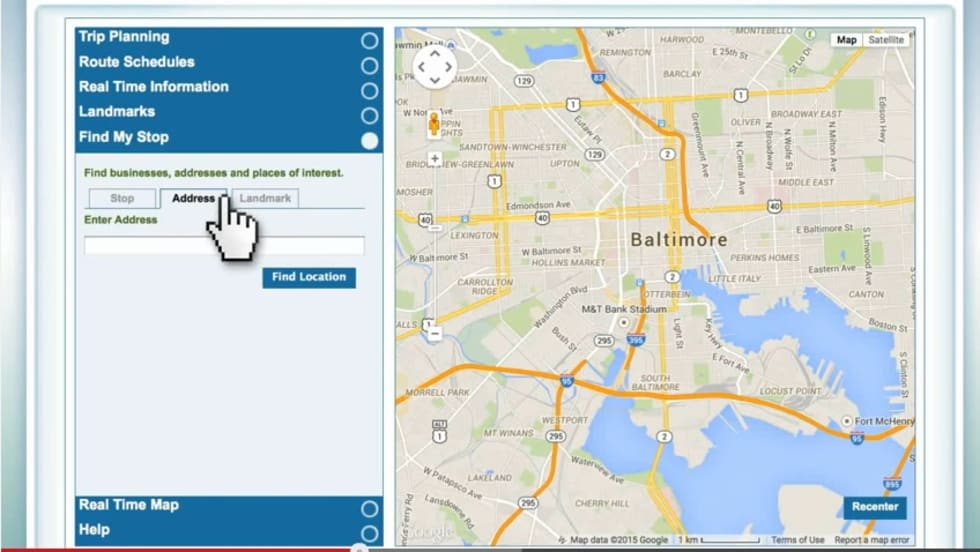
My MTA Tracker for Bus uses GPS already installed on MTA buses to predict their arrival time at specific stops and routes. MTA engineers worked for more than one year to develop this technology by creating compatibility between state-of-the-art software and three separate operator logon systems currently utilized in MTA buses.
Read More →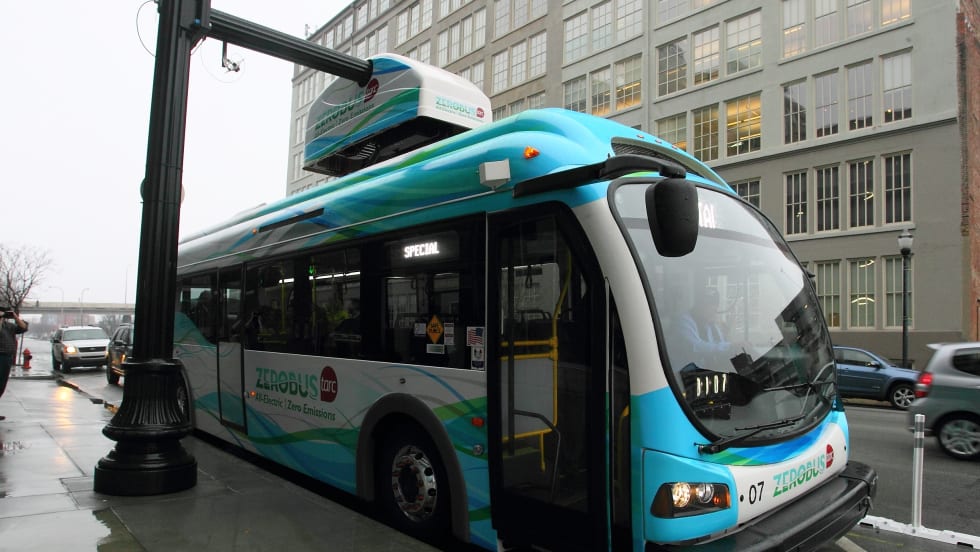
Newly established under MAP-21, the LoNo program focuses on deploying the cleanest and most energy-efficient U.S.-made transit buses designed to cut carbon pollution and other traditional pollutants.
Read More →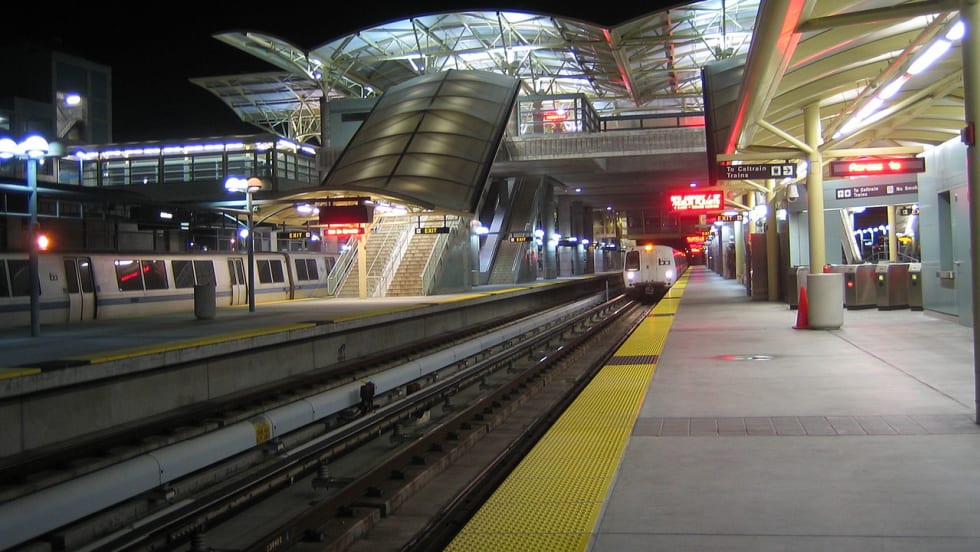
With more people riding Bay Area Rapid Transit and Caltrain rail lines and fewer using Bay Area buses, the Metropolitan Transportation Commission is unable to explain why the trend is occurring, however, service cuts and sprawling growth in suburban areas were cited as possible factors.
Read More →