



Brampton Transit to test safety shields for bus operators
The clear portion of the shields being tested on Brampton Transit buses are made of AS-2 certified materials (glass or glass-polycarbonate), which are able to withstand a significant amount of force, and reduce glare and reflectivity.

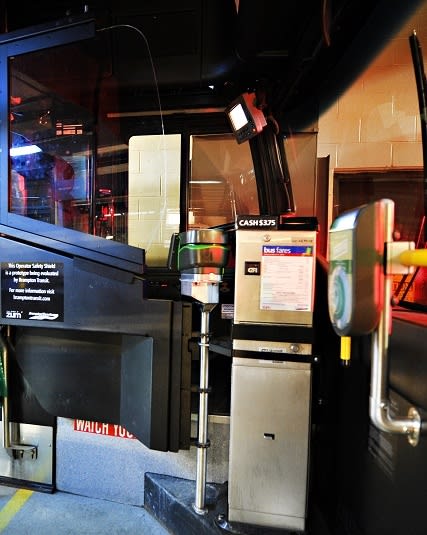
City of Brampton
City of Brampton
BRAMPTON, Ontario — The city of Brampton will equip six buses with driver safety shield prototypes this month as part of a pilot program to test their effectiveness, the Brampton Guardian reported.
The barriers are designed to help prevent violence against an operator, while providing clear sightlines and the ability to still communicate with passengers and provide customer service.
The clear portion of the shields being tested on Brampton Transit buses are made of AS-2 certified materials (glass or glass-polycarbonate), which are able to withstand a significant amount of force, and reduce glare and reflectivity.
As part of the pilot, the city will be asking operators their feedback on the shields. Testing will take place until the end of October 2015 and a final decision if the shields will be installed fleet-wide will be made during the first quarter of 2016. For the full story, click here.
More Security and Safety

TAPTCO Updates OSHA Compliance Training for Transit Maintenance Operations
The revamped program addresses 26 OSHA standards for maintenance facilities, with TAPTCO pointing to training, documentation, and everyday shop hazards as continuing challenges for transit operations.
Read More →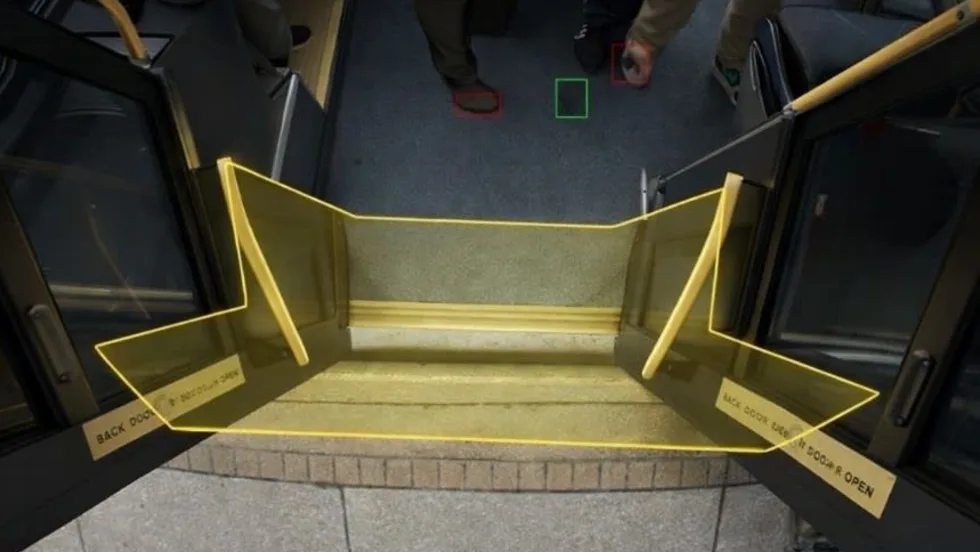
How VaporVision™ Adds Value to Transit Door Systems
Wabtec engineers explain how the system improves doorway detection, strengthens diagnostics and gives transit agencies and OEMs greater operating flexibility.
Read More →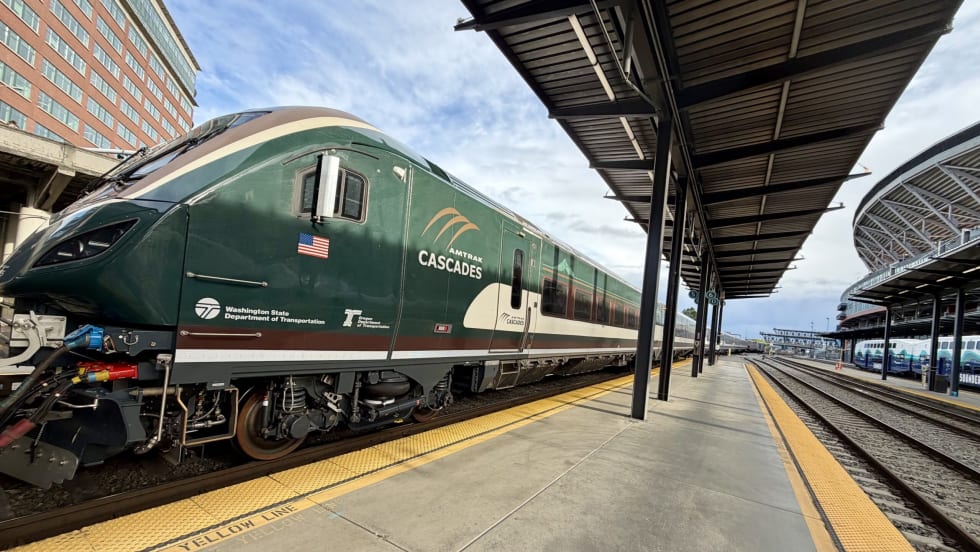
FRA Announces $5.3B in Rail Investments, Including $2B for Amtrak
Funding will support grade-crossing improvements, infrastructure upgrades, and new Amtrak equipment in 23 states.
Read More →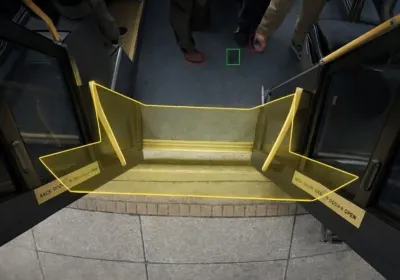

Chicago, Maryland Expand Non-Law-Enforcement Safety, Rider Support
The CTA and MTA are launching new programs aimed at de-escalation, crisis response, rider assistance, and greater transparency.
Read More →
LA Metro, City of West Hollywood, and Partners Advance Smarter Bus Lane Enforcement
The award-winning partnership combines AI-powered detection with human oversight to improve bus reliability, accessibility, and enforcement efficiency.
Read More →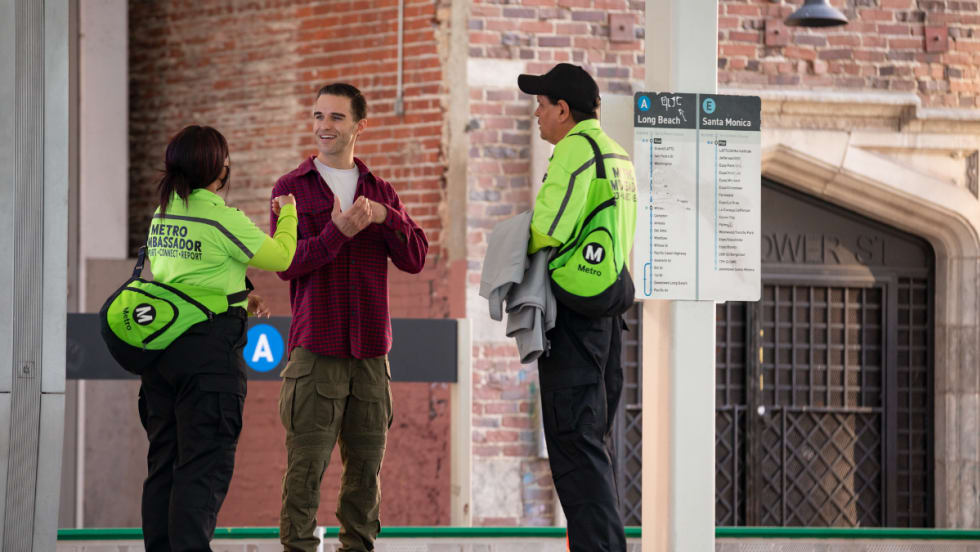
LA Metro Reports 57% Decline in Homelessness on Transit System Since 2024
The agency's latest homelessness count offers new data on how care-based services and cross-sector partnerships can complement traditional transit security strategies.
Read More →
FTA Launches 'Transit Moves America' Dashboard to Highlight Agency Safety and Performance
The online dashboard transforms National Transit Database information into a public-facing resource that allows users to compare transit agencies on key operational and safety metrics.
Read More →
LA Metro Marks Banner Year, Sets Ambitious Goals for New Fiscal Year
Incoming LA Metro Board Chair and Los Angeles Mayor Karen Bass joined outgoing Board Chair Fernando Dutra and LA Metro CEO Stephanie Wiggins to review accomplishments from fiscal year 2026, which included the opening of new rail extensions, advancement of major transit projects, expanded safety programs, and new rider amenities.
Read More →
Building the Next Generation of Transit Technology
In this edition of METROspectives, Luminator CEO Magnus Friberg discusses the company's transformation, the growing role of AI and software, and what's next for transit technology.
Read More →
TTC Launches Camera Pilot to Curb Illegal Passing of Streetcars
During the pilot, the cameras will measure how often illegal streetcar passing occurs and test the technology's reliability for future automated enforcement.
Read More →