
Metro Magazine

 MENU
MENU SEARCHMENUSEARCH
Premiered its TRAXX AC locomotive with a supplementary diesel motor at this year’s Transport Logistic trade fair, taking place in Munich, Germany from May 10 to 13. The technology eliminates the need to change locomotives in shunting areas of a rail network.
Read More →
Latest D4505s feature three-point seat belts, a full sound system, Wi-Fi and a Cummins ISM 10.8-liter engine, featuring the latest clean diesel engine technology.
Read More →
Readers most likely are not familiar with my past work with driver training simulation, so I want to devote this month's space to a brief description of what I discovered working with this technology and what it enabled me to do within the training department I was affiliated with.
Read More →The system uses video, audio and ECU-connected vehicle data sensors to detect and record risky driving maneuvers. It also enables drivers to instantly recognize fuel-wasting maneuvers with in-cab visual driver feedback.
Read More →Vehicle is a 100 percent low-floor streetcar powered by e-Brid, a propulsion technology that enables operation powered by overhead catenary or on-board lithium-ion batteries.
Read More →The new national competition will showcase innovative ways that local communities use smart transportation technology to improve safety, mobility and the environment. Submissions are being sought through June 30 from state and local governments, transit agencies, private firms and students.
Read More →
As telematics technology costs decrease, systems are more accessible than ever. Whether offering maintenance or passenger benefits, often all that's needed is a PC with an Internet connection.
Read More →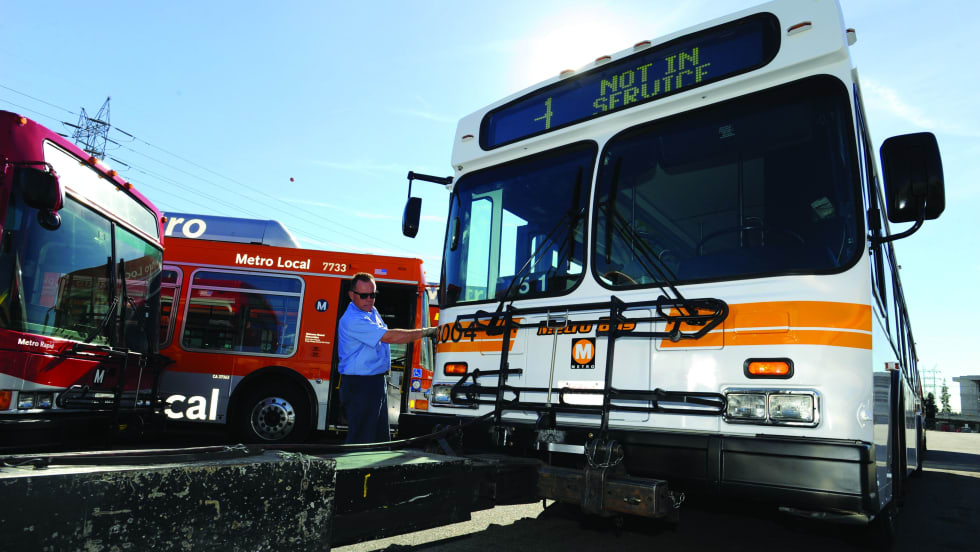
Today, the maturation of alternative fuels has made it easier for transit agencies to implement programs than it was for early adopters in the 1990s. Even still, there are many lessons to learn from the early pioneers, including being aware of possible infrastructure and training investments.
Read More →
PrimoveCity addresses the range and recharging constraints of electric vehicles and promises to reshape transportation by providing common technology for all forms of electric vehicles, including trams, buses, commercial vehicles, taxis and cars.
Read More →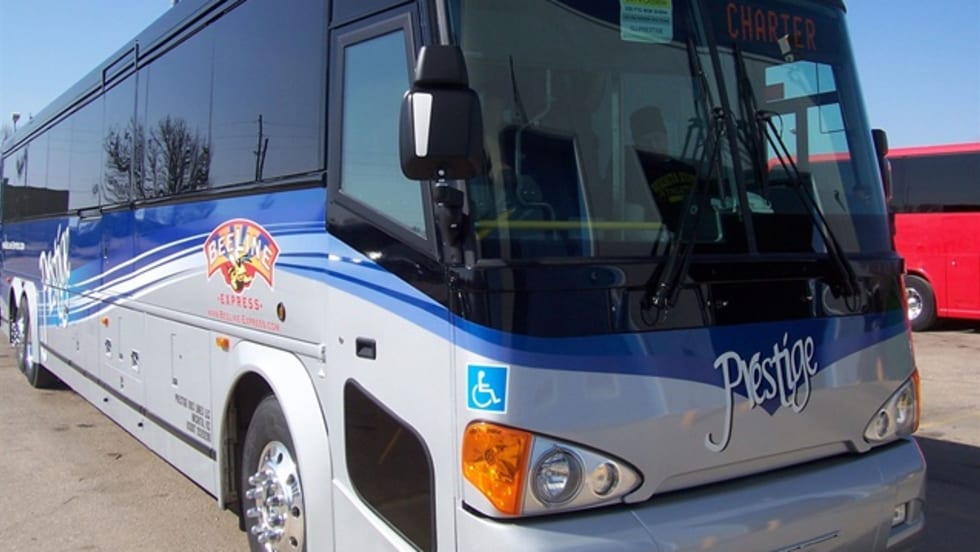
Wichita, Kan.’s Prestige Bus Lines added four new MCI D4505 coaches to its scheduled service start-up, Beeline Express. Gold Coast Tours, based in Brea, Calif., received one 2011 MCI J4500, featuring the latest engine technology.
Read More →