
Metro Magazine

 MENU
MENU SEARCHMENUSEARCH
Loading data...

METRO’s Managing Editor Alex Roman recently spoke to Rigler about the evolution of tech in the transit industry, the growth of Mobility-as-a-Service, and more.
Read More →
There is general agreement that a significant deployment of automation-related technologies will be driving at the very least within cities throughout the developed world by mid-century.
Read More →
Furnishes WCTA drivers, mechanics, maintenance, and management services for the authority as part of the contract.
Read More →
Will be responsible for all operational activities of the LAVTA Wheels bus service including safety, training, dispatch, maintenance, vehicle cleaning and washing, bus shelter maintenance, road supervision, and accounting.
Read More →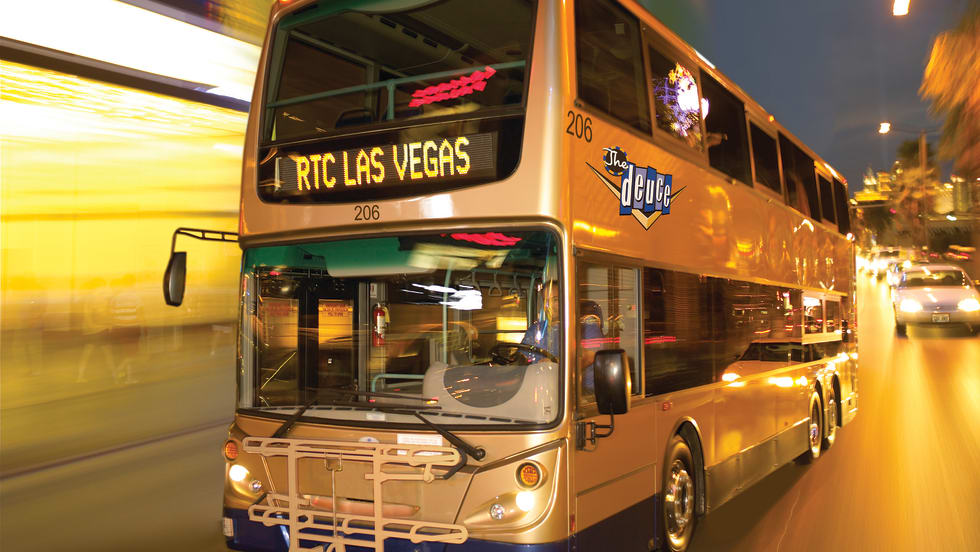
Under this extension of service, the company will continue to be responsible for a fleet of over 250 buses across 17 routes, operating 24 hours a day, seven days a week.
Read More →
The $1.3 million Contractor Development and Bonding Program will enable qualified entrepreneurs to successfully compete for construction-related contracts.
Read More →
In keeping with their leading position in leveraging technology to enhance passenger, driver, and road safety, will also transition the DASH fleet to the Mobile Eye® Shield Plus collision-avoidance system.
Read More →
A motion calls for agency to create and publish a score card system that reflects percentages of women hired by Metro contractors and develop an incentive program.
Read More →
The contract is for fleet management, maintenance, and repair for the City of Arlington’s entire fleet of more than 850 vehicles, including city pool cars, police, and fire and emergency rescue units.
Read More →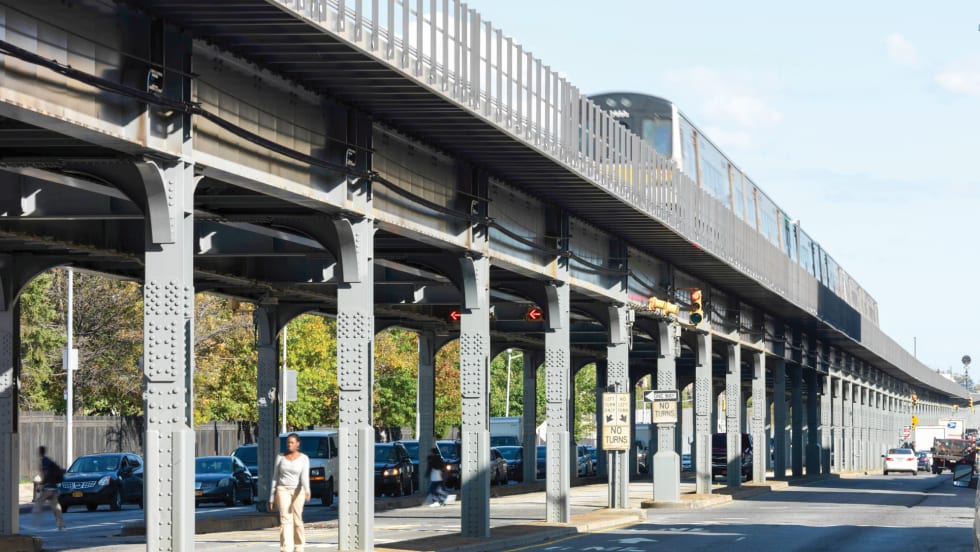
Design-build minimizes risk, reduces delivery time, keeps budgets in line, and mitigates funding partner concerns throughout project duration. With traditional design-bid-build, owners, designers, and contractors are segregated from design concept to final construction.
Read More →