
Metro Magazine

 MENU
MENU SEARCHMENUSEARCH
Loading data...
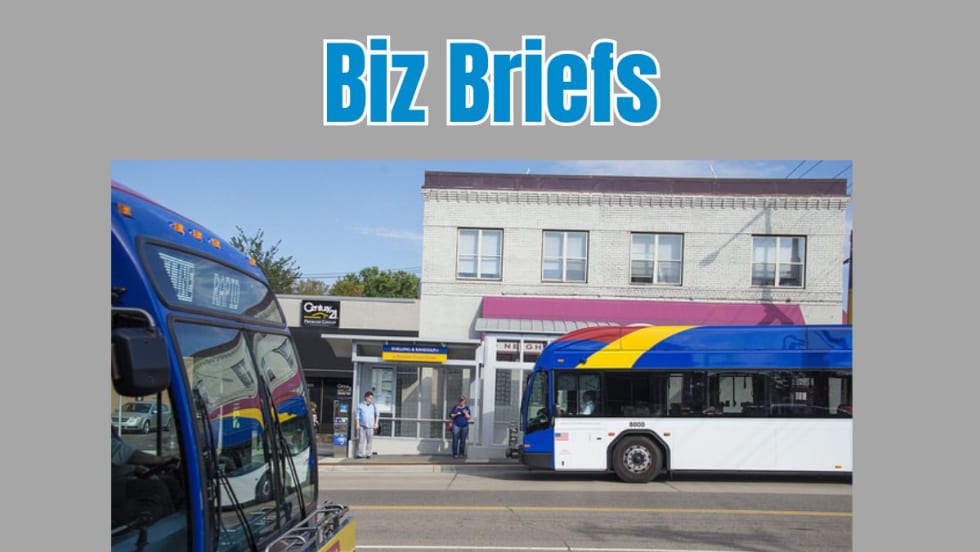
The latest Biz Briefs installment focuses on new fare payment partnerships, CAD/AVL, and all the latest technologies.
Read More →
The old joke that you wait ages for one bus and suddenly three come along at once may be consigned to the history bin thanks to developments in artificial intelligence (AI).
Read More →
By combining these two powerful applications, agencies will be able to prevent catastrophic failures from occurring by providing predictive maintenance plans for ease of use in diagnosing issues, as well as filing work orders from a single system.
Read More →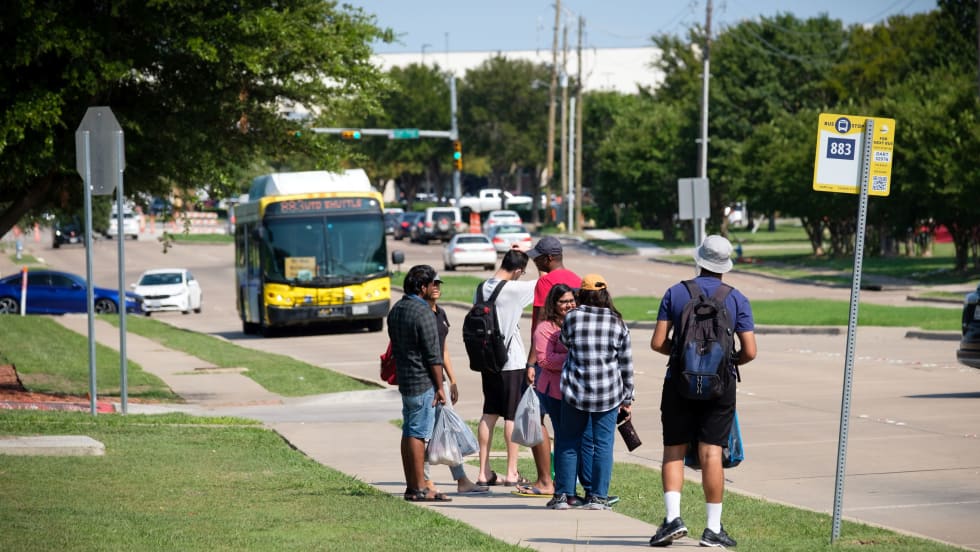
The new initiative means customers will now be able to access key information on Google Maps, the Transit app, and various other apps.
Read More →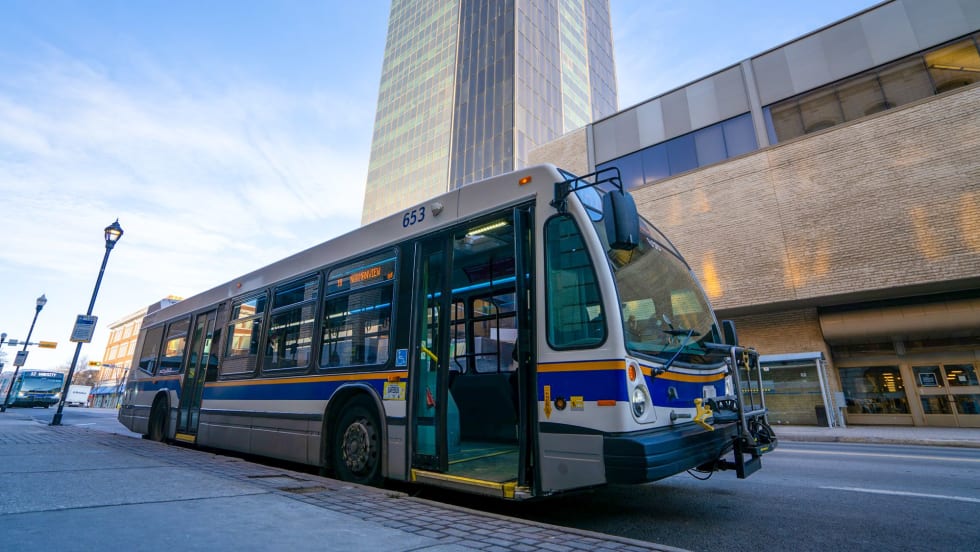
With the introduction of account-based ticketing and contactless payment options, riders will experience enhanced convenience.
Read More →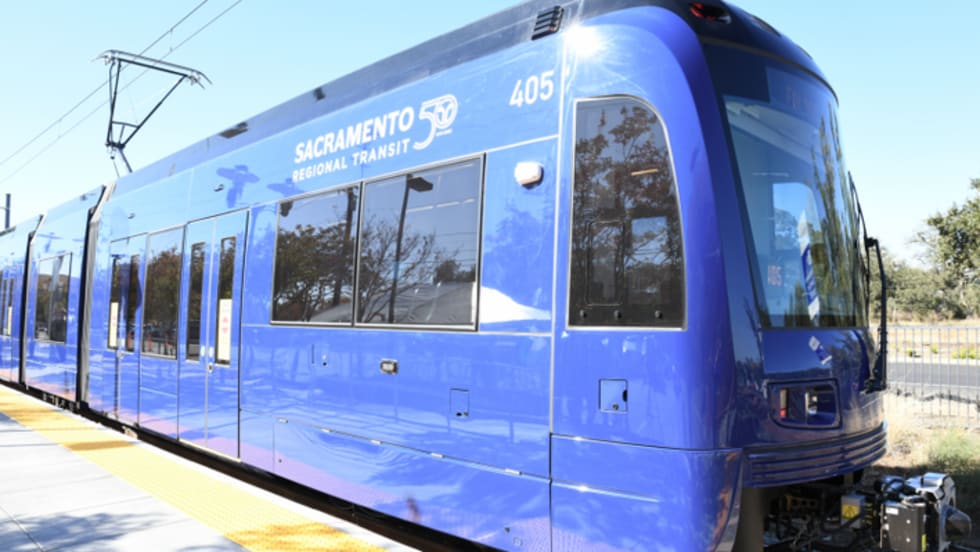
The order builds on the previous order of 36, bringing the total number of trains ordered to 45. SacRT’s contract with Siemens is for the purchase of up to 76 new low-floor light rail vehicles.
Read More →
The competitive grant program, established by the Bipartisan Infrastructure Law, provides $500 million over five years for state, local, and Tribal governments to leverage advances in technology to create safer, more efficient, and more innovative transportation systems.
Read More →
The fear of the hassle and complexity of procurement is why decision makers in transit agencies often delay the introduction of new fare collection systems.
Read More →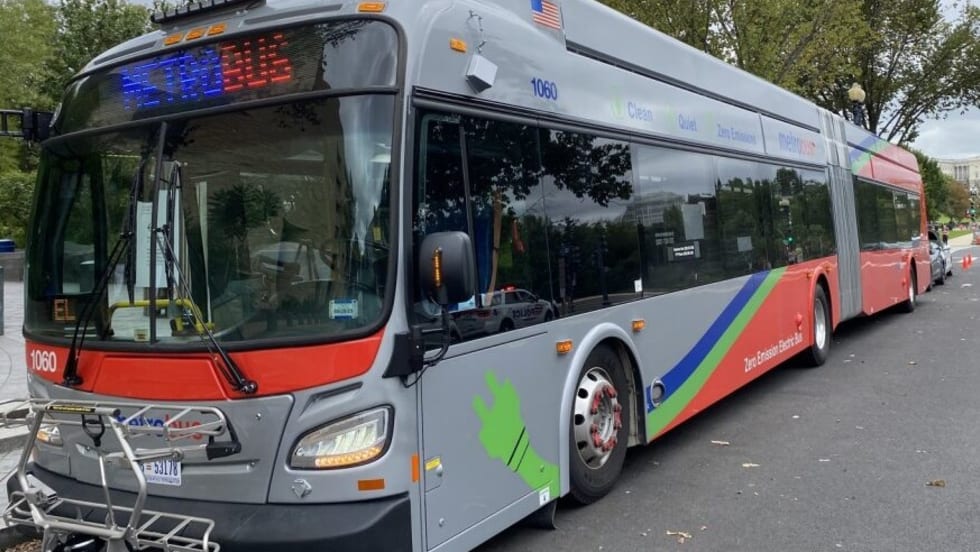
The multi-week event is the first time WMATA has hosted the public to see a mock-up of its newest trains on the National Mall since the first 1000-series train cars in 1968.
Read More →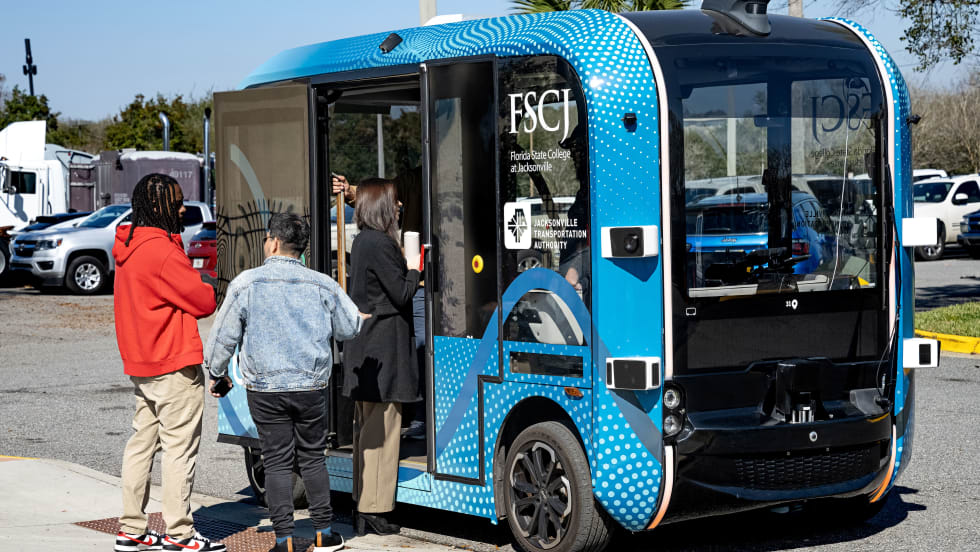
JTA and FSCJ are launching AVs on FSCJ's downtown campus, becoming the first college campus in the state of Florida to receive autonomous shuttles for students and visitors.
Read More →