



Biz Briefs: Cubic, Masabi, and More
The latest Biz Briefs installment focuses on new fare payment partnerships, CAD/AVL, and all the latest technologies.

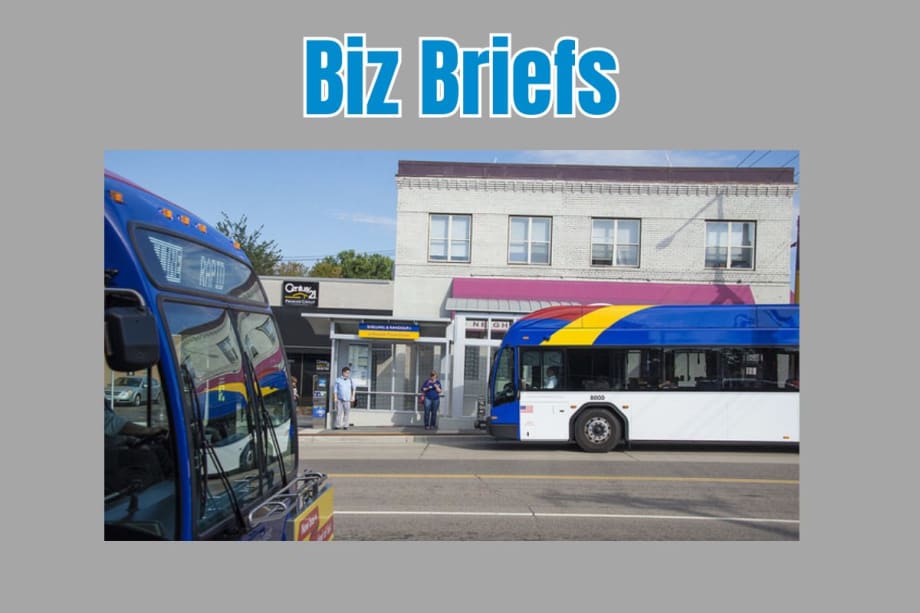
Leveraging Cubic’s Urban Mobility processing platform, Metro Transit’s 40 million annual riders will be able to tap their contactless bank cards, including those residing in Apple Pay and Google Pay, to seamlessly pay for fares with no need to separately procure a dedicated smart card or ticket.
Photo: Metro Transit/METRO Magazine
Biz Briefs covers the latest moves in the industry. Here's the latest from Cubic, Masabi, and ETA Transit Systems.
Cubic to Upgrade Minneapolis Metro Transit’s Fare System
Metro Transit of Minneapolis-St. Paul awarded a significant contract to Cubic Transportation Systems (CTS) to upgrade and modernize the metropolitan region’s Go-To Contactless Fare System.
Leveraging Cubic’s Urban Mobility processing platform, Metro Transit’s 40 million annual riders will be able to tap their contactless bank cards, including those residing in Apple Pay and Google Pay, to seamlessly pay for fares with no need to separately procure a dedicated smart card or ticket.
Accordingly, for those riders not carrying or wishing to use such bank-issued products, the Go-To card will be enhanced via registration with a powerful account management system that will allow those users to load fare products such as stored value and period passes to their accounts through an enhanced range of channels including vending machines, the web, and retail outlets.
The new regional system is designed to ensure equity across all user demographics while providing the maximum level of convenience to visitors and occasional and everyday riders. The platform is also designed to support a range of open interfaces to allow for flexible extensions over time including more powerful smartphone utilities and integration with additional modalities such as microtransit, ride share, car share, and parking.
Ohio’s Richland County Taps ETA Transit for CAD/AVL
Mansfield, Ohio’s Richland County Transit (RCT) awarded a contract to ETA Transit Systems, including for a comprehensive Computer-Aided Dispatch/Automated Vehicle Location (CAD/AVL) system, featuring:
Dispatch and planning software for optimized route management.
Powerful analytics tools for streamlined National Transit Database (NTD) reporting.
Onboard announcement systems for improved rider communication.
Real-time passenger information systems for enhanced rider experience.
The new CAD/AVL system will provide RCT with a centralized platform for managing its 19-bus fleet. Dispatchers will gain real-time visibility into vehicle location, allowing them to optimize routes, respond to disruptions efficiently, and improve on-time performance.
NEORide, Partners Add ABT at Butler County
NEORide, the Council of Governments representing 29 transit agencies across seven states, together with Masabi and Transit, announced the launch of Account-Based Ticketing (ABT) for Hamilton, Ohio’s Butler County Regional Transit Authority.
The agency is a part of EZfare, the largest regional fare payment solution in the U.S. today used by transit agencies across Michigan, Ohio, Kentucky, and West Virginia.
BCRTA riders on the Cincylink and BGo services can now simply scan the EZfare app when boarding the bus or use EZfare smart cards to tap and ride. This revolutionary solution simplifies journeys across the region, eliminating the need to buy tickets ahead of time or from multiple systems, and replacing it with a simple tap of a phone or card.
Thanks to monthly fare capping, CincyLink riders will get the best fares available and never pay more than $120 a month — which corresponds to the price of a monthly pass. This demonstrates a commitment by BCRTA to keeping public transit accessible and convenient for all riders, recognizing its fundamental role in enabling economic and social growth.
More Technology

From Hardware to Digital Partner: Luminator Charts Its Next Chapter
CEO Magnus Friberg discusses Luminator’s shift toward becoming a digital partner, the growing importance of software and interoperability, and how AI can help agencies improve operations and passenger experience.
Read More →
Beyond the Checklist: A Structured Approach to Transit Maintenance
Reliability-Centered Maintenance helps transit agencies move beyond routine checklists to focus limited resources on the assets and failures that have the greatest impact on safety, reliability, and service.
Read More →
NJ TRANSIT Advances Bus Technology Upgrades Across Statewide Fleet
More than 1,500 buses now feature upgraded technology designed to improve arrival predictions and provide free Wi-Fi, with deployment expected to reach nearly 2,000 buses by the end of 2026.
Read More →

Building a Flexible Path to Transit Electrification
John Hroncich discusses BAE Systems’ modular and scalable approach, lessons learned from decades of real-world operations, and how agencies can identify electrification strategies that fit their fleets.
Read More →
Biz Briefs: Alstom Lands Canadian Contract, LYT to Supply California TSP, and More
In METRO's latest installment, we take a look at recent news from Complete Coach Works, Beep, FlixBus, and more partnerships making headlines across the transportation sector.
Read More →
From Legacy Silos to Conversational Intelligence
What if transit leaders could ask any operational question and get a trusted answer in seconds? Conversational AI is transforming how agencies use their data.
Read More →
USDOT Announces Rail Vehicle Replacement Grants, Chattanooga AV Shuttle Funding
More than $191 million in federal funding will help three transit agencies replace aging rail vehicles and support a new autonomous shuttle service in Chattanooga.
Read More →
Bus Tech Talk: Keeping Transit Technicians Ahead of the Technology Curve
LA Metro’s Obed Mejia discusses technician training, evolving maintenance technology, fleet replacement, and strategies for getting the most out of today’s transit fleets.
Read More →
Biz Briefs: RIPTA Unveils New Frontrunners, Clevland RTA Adds New Siemens, and More
In METRO's latest installment, we take a look at recent news from Siemens, Prevost, Dodge, and more partnerships making headlines across the transportation sector.
Read More →
Why Simulating Pedestrian Movement Has Become Essential for Modern Rail Stations
Pedestrian microsimulation is helping rail planners identify bottlenecks, test station designs, and prepare complex transit hubs for growing passenger volumes.
Read More →