
Metro Magazine

 MENU
MENU SEARCHMENUSEARCH
Loading data...
If all 132 drivers become involved — including the 25 Dial-a-Ride, 60 vanpool and 47 bus drivers — the cost would be anywhere from $132 per month for the basic plan to $462 per month for the more detailed plan.
Read More →
After Kerry Walls was fired by the Central Contra Costa Transit Authority for unauthorized absences due to illness, he filed a grievance through his union. He was reinstated, but fired again for breaking an agreement with another unexcused absence. The agency claimed he had waived his right to the hearing that public employees normally receive before termination.
Read More →After a NJ Transit bus was found idling at Manhattan's Port Authority Bus Terminal on Thursday for nearly five hours with its driver dead inside, the two agencies plan to examine their coordination procedures.
Read More →A tour bus, operated by New Oriental Tours, rear-ended a tractor-trailer on the Pennsylvania turnpike while traveling from Kentucky to New Jersey. Dozens of passengers were hospitalized.
Read More →The campaign began in August 2008, however, The T recently made the change to its dress code that gives bus drivers the authority to deny boarding to those in violation.
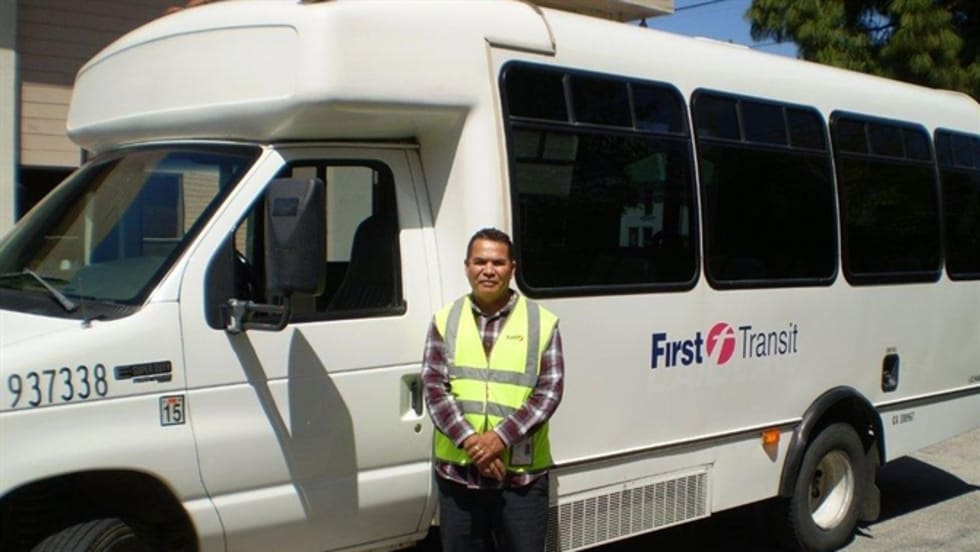
Read More →Jesse Estrada has driven more than 262,500 miles and safely transported more than 73,631 passengers throughout the city of Watsonville and around the County of Santa Cruz.
Read More →The Safety Belt Usage by Commercial Motor Vehicle Drivers Survey found that 78 percent of commercial bus and truck drivers wore safety belts while operating behind the wheel in 2010, compared to 74 percent in 2009. The survey observed 26,830 commercial drivers operating medium- to heavy-duty trucks and buses at 998 roadside sites nationwide.
Read More →City service officials in a town near Buenos Aires claim that female drivers are safer, and more suited to transporting frail or very young passengers.
Read More →Gov. Andrew Cuomo's office released motor vehicles data to investigators regarding "evidence of false statements" made by Ophadell Williams, the driver of a tour bus in a crash that killed 15 people.
Read More →Coast Mountain Bus Co., TransLink and the Metro Vancouver bus drivers' union are working together to stop assaults on female bus drivers, by calling for tougher sentences and stronger legislation, and installing cameras, GPS systems and assault alarms on buses.
Read More →