
Metro Magazine

 MENU
 SEARCHMENUSEARCH
Loading data...
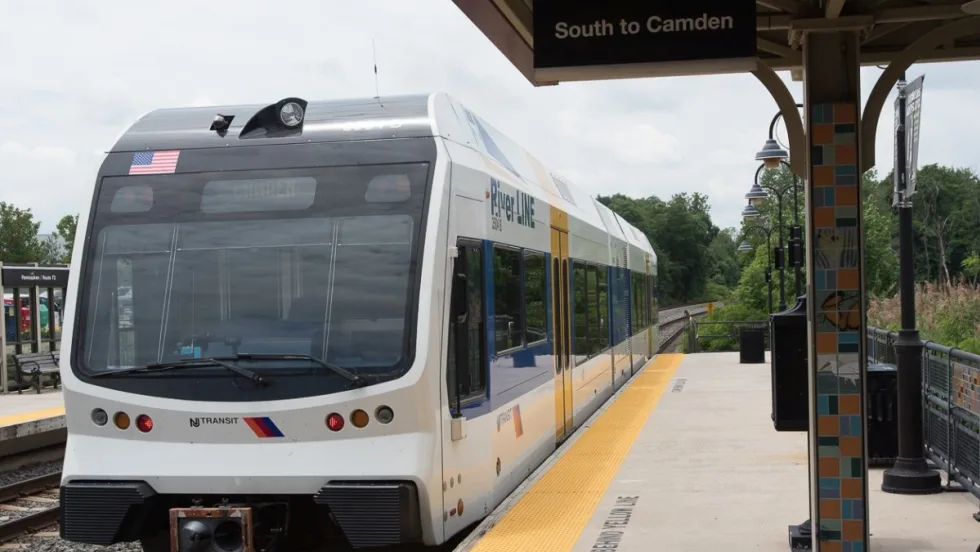
The agency board adopted the $3.16B operating and $1.7B capital budgets, supporting transit upgrades, workforce, and access for seniors and rural riders.
Read More →
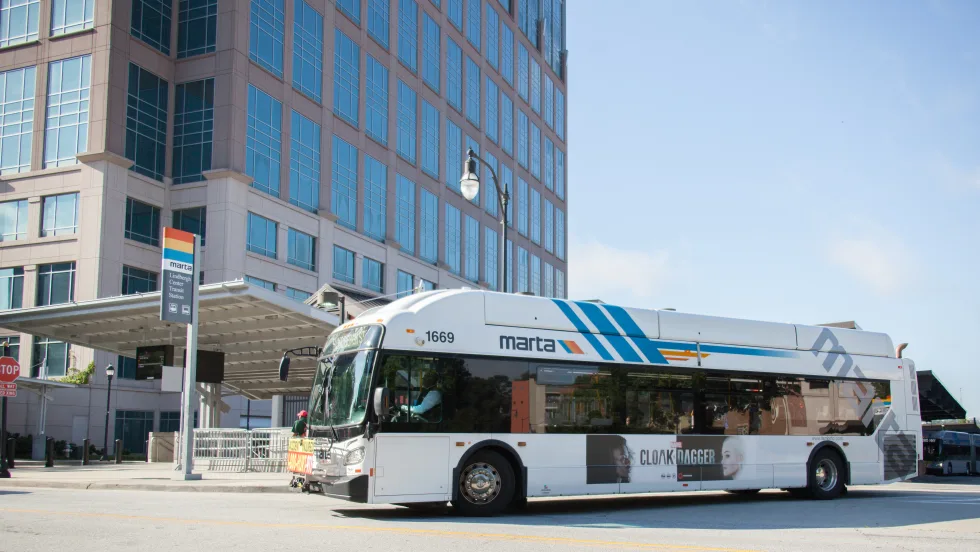
The city's $10 million grant will be used to replace aging Metrobus diesel vehicles with new hybrid-electric buses that will reduce fuel costs, lower emissions, and provide a more comfortable, reliable ride in one of the most populated counties in the Southeastern U.S.
Read More →New emergency relief authority provides FTA with primary responsibility for reimbursing emergency response and recovery costs after an emergency or disaster that affects public transportation systems and for helping to mitigate the impact of future disasters.
Read More →The administration needs to understand that these and many other actions contradict the president’s repeatedly stated desire to see public transportation grow and be part of needed economic change in the U.S.
Read More →Reinforces the agency's policy of not granting operating authority to companies that create new identities or affiliate relationships to avoid a negative safety history. It also clarifies that the agency will scrutinize companies that have had their operating authority suspended or revoked within the past six years.
Read More →Three years and 10 extensions later, America has a new federal transportation reauthorization bill. Perhaps the most important aspects of MAP-21 are the changes to existing law that break down some of the bureaucratic barriers to project delivery allowing for expedited project implementation.
Read More →The company's decision to focus on 2030 reflects the urgency of the challenges ahead and its commitment to delivering pragmatic, actionable solutions that drive real impact.
Read More →The transformative initiative, which MARTA officials say will launch in late 2025, aims to deliver a smarter, faster, and more equitable transit experience across the Atlanta region.
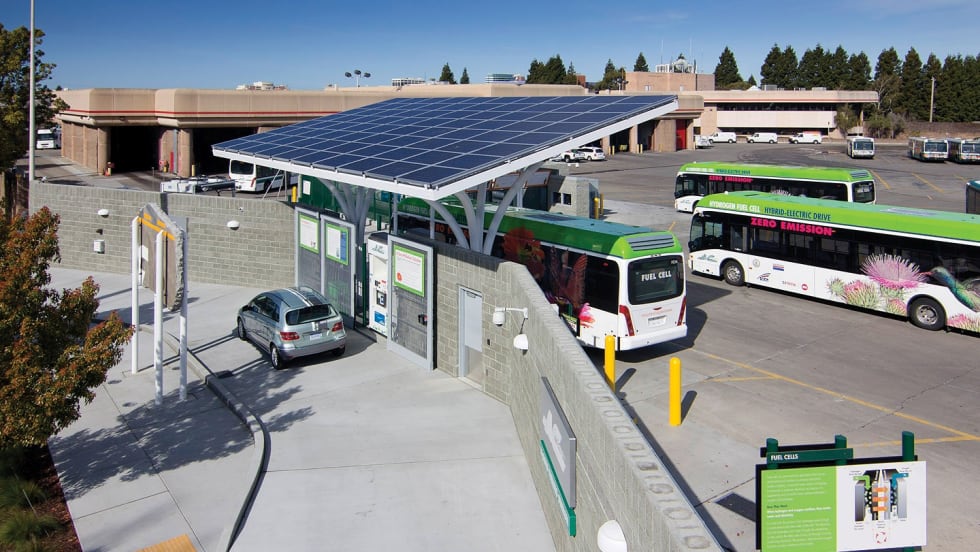
Read More →The funds are intended to encourage more widespread adoption of reliable “green energy” buses into transit fleets.
Read More →Activated Jan. 5, the nation’s first urban congestion pricing program reduces gridlock in Manhattan’s Congestion Relief Zone below 60th Street by charging motorists to enter the zone.
Read More →