



FTA, FEMA form disaster action plan for transit
New emergency relief authority provides FTA with primary responsibility for reimbursing emergency response and recovery costs after an emergency or disaster that affects public transportation systems and for helping to mitigate the impact of future disasters.

The Federal Transit Administration (FTA) and Federal Emergency Management Agency (FEMA) signed a Memorandum of Agreement (MOA) that outlines the roles and responsibilities of both agencies in providing federal assistance to repair and restore public transportation systems in areas that the President has declared a major disaster or emergency.
FTA’s newly authorized Public Transportation Emergency Relief Program was established by MAP-21 and the MOA is required to establish the relief program.
“After disasters hit, our federal, state and local partners must be able to move quickly and make the necessary repairs to our nation’s transit systems, roads, rails and bridges,” said U.S. Transportation Secretary Ray LaHood. “Today’s announcement makes it easier for them to get to work, and DOT will continue to work closely with FEMA and our partners to ensure that emergency relief funds are available as quickly as possible to rebuild from Hurricane Sandy.”
The MOA is a key requirement that must be in place before the bulk of the FTA’s disaster relief funds for Hurricane Sandy aid can be released, as prescribed by the Disaster Relief Appropriations Act of 2013 for the victims of Hurricane Sandy. A link to the MOA is available here.
“We can only be successful in responding and recovering from disasters if we work as a team,” said FEMA Administrator Craig Fugate. “That means bringing together government at the federal, state, tribal and local levels, along with our partners outside of government. This partnership with FTA builds on an already strong relationship to ensure that our transit nationwide is more resilient.”
“More than one-third of our nation’s transit riders were directly affected by Hurricane Sandy — triggering the worst transit disaster in history,” said FTA Administrator Peter Rogoff. “FTA and FEMA worked quickly to get this agreement in place in order to bring much-needed relief to transit agencies that were hit hardest by the storm, to ensure that transit riders have the reliable service they need, and so that agencies have better resources to plan for and mitigate the impact of such disasters in the future.”
FEMA will continue to have primary federal responsibility for emergency preparedness, response and recovery in major disasters and emergencies. The new emergency relief authority provides FTA with primary responsibility for reimbursing emergency response and recovery costs after an emergency or disaster that affects public transportation systems and for helping to mitigate the impact of future disasters.
FTA continues to work collaboratively with FEMA to conduct damage assessments and cost-validation work in the hardest-hit parts of New York and New Jersey, as well as other regions where transit was impacted.
The Disaster Relief Appropriations Act of 2013, which President Barack Obama signed into law on Jan. 29, required the FTA to make available no more than $2 billion in disaster funds within 60 days of enactment of the disaster relief appropriation, which the agency is currently doing. The remaining funds required a MOA between FEMA and FTA and the establishment of emergency relief program regulations by FTA.
With the MOA complete, the remaining disaster relief funds will be made available after FTA issues interim regulations, which is expected to occur in April.
More Paratransit

Biz Briefs: RIPTA Unveils New Frontrunners, Clevland RTA Adds New Siemens, and More
In METRO's latest installment, we take a look at recent news from Siemens, Prevost, Dodge, and more partnerships making headlines across the transportation sector.
Read More →
King County Metro Makes ADA Paratransit Easier to Navigate
METRO's Innovative Solutions Award winner replaces complex service-area descriptions with an accessible, interactive map that puts paratransit information directly in customers’ hands.
Read More →
Jacksonville’s NAVI Project Charts a New Course for Autonomous Public Transportation
Through its NAVI program, JTA is showing how autonomous vehicles, intelligent infrastructure, and coordinated operations can work together to deliver everyday public transportation.
Read More →
Driving Smarter Paratransit
John Hanlon shares how AlphaRoute is leveraging AI-powered technology to help paratransit providers optimize operations, support frontline staff, and enhance the rider experience.
Read More →
METRO Magazine Announces 2026 Innovative Solutions Awards Winners
Projects Recognized for Advancing Mobility Through Technology, Accessibility, Workforce Innovation, and Operational Excellence
Read More →
Biz Briefs: STV teams with Amtrak, Motorcoach Operators Boost Fleet and Land Contracts, and More
From manufacturers and suppliers to transit agencies and motorcoach operators, these updates offer a snapshot of the projects, partnerships and business moves driving the industry forward.
Read More →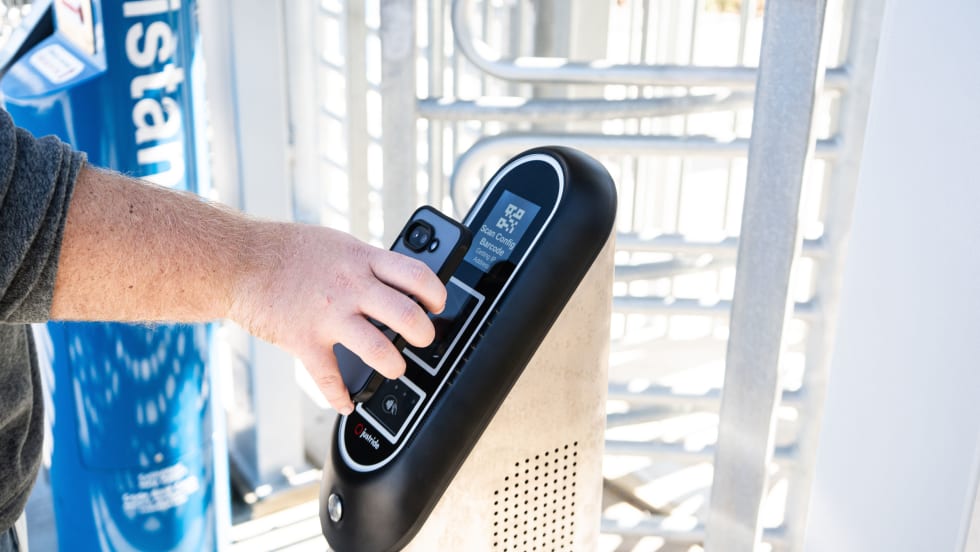
Biz Briefs: Masabi Teams with St. Louis Metro and More
In METRO's latest installment, we take a look at recent news from Transdev, Hitachi, and more partnerships making headlines across the transportation sector.
Read More →
New York MTA Leverages Zoning Program to Advance Station Accessibility
Accessibility enhancements at Nevins St Station will be financed through a development agreement tied to the MTA's Zoning for Accessibility initiative.
Read More →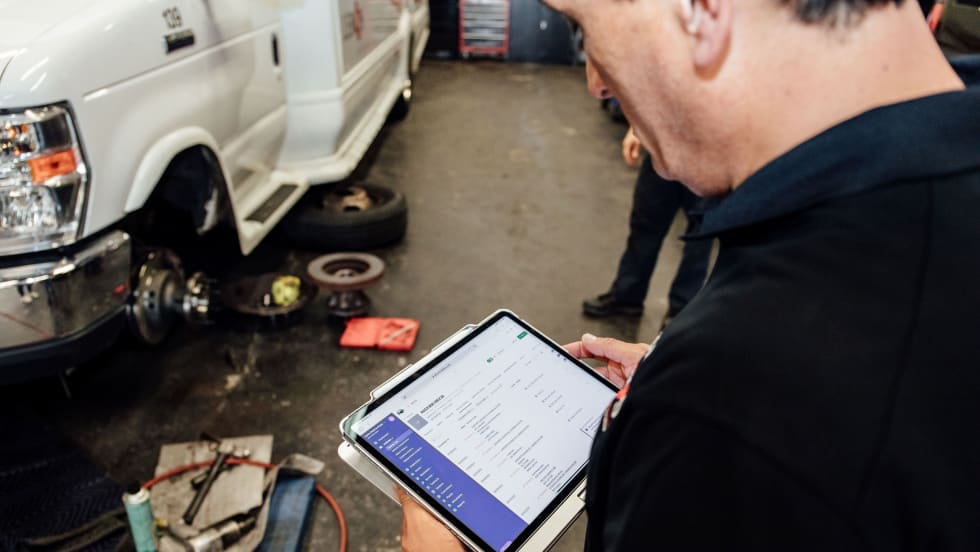
Reinventing Fleet Maintenance with Real-time Visibility and AI
Transit leaders need to know what needs fixing, where to look, who is responsible, when work is completed, and what it costs without having to chase information across disconnected systems.
Read More →
SamTrans Sets Priorities for Potential Connect Bay Area Revenue
The board-approved framework allocates future funding to maintaining service, rider improvements, equity initiatives, and infrastructure repairs.
Read More →