



OCTA CEO: New federal bill a win for America
Three years and 10 extensions later, America has a new federal transportation reauthorization bill. Perhaps the most important aspects of MAP-21 are the changes to existing law that break down some of the bureaucratic barriers to project delivery allowing for expedited project implementation.
Three years and 10 extensions later, America has a new federal transportation reauthorization bill.
The Orange County Transportation Authority (OCTA), along with transit agencies throughout the nation, applauds congressional leaders and the President for investing in America’s transportation future by passing this much-anticipated piece of legislation.
The bill, Moving Ahead for Progress in the 21st Century, was signed by President Obama on July 6 and outlines $120 billion in funding for highway and transit programs over 27 months.
While many would prefer to see a bill spanning longer than two years, MAP-21 gives agencies confidence that there will be a dedicated and reliable stream of federal funding — at least for the next two years.
Having a guarantee from the federal government that they will continue to support transit operations and highway improvements over the long haul is essential to effectively plan for, deliver and maintain critical transportation infrastructure projects.
Perhaps the most important aspects of the bill are the changes to existing law that break down some of the bureaucratic barriers to project delivery allowing for expedited project implementation.
The changes are based in part on OCTA’s "Breaking Down Barriers" initiative, which was launched nearly three years ago, bringing together local and national leaders to identify ways to accelerate project delivery without sacrificing environmental protections.
Some key provisions from the initiative that are outlined in MAP-21 include:
• Allowing states, under certain conditions, to purchase right-of-way before completing the federal environmental review process.
• Allowing states to be reimbursed for pre-construction and design contracts before the federal environmental review process is completed.
• Setting deadlines for decisions by agencies responsible for environmental review, including financial penalties for agencies that do not complete the reviews by set deadlines.
• Allowing states or Metropolitan Planning Organizations to develop plans that address the potential impact of future transportation projects.
• Making permanent a current pilot program that allows the U.S. Department of Transportation to delegate NEPA review authority to states and expanding the program to include rail, public transit and multimodal projects.
These changes have been embraced with bipartisan support and ensure we preserve the environment while moving critical projects to construction earlier.
The result will be completing projects faster, creating jobs quicker and saving taxpayer dollars.
In case you missed it...
Read our METRO blog, "Public transportation on solid footing, will lawmakers face the music," here.
More Blog Posts
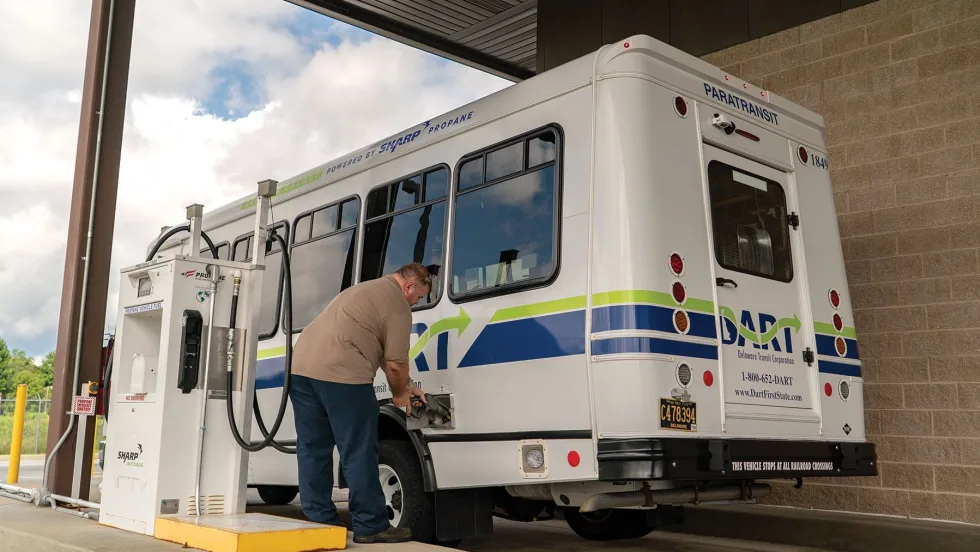
Building a Winning FTA Grant Proposal: Why Propane Autogas is the Pragmatic Choice for Fleet Resilience
With $610 million available through the FY 2026 Buses and Bus Facilities Competitive Program and the Low or No Emission Grant Program, agencies must build a compelling case before the September 21 deadline that balances environmental compliance with operational feasibility.
Read More →
Velo-city Conference 2026: Latest Trends in Cycling as Part of Urban Mobility
The global cycling conference highlighted how cities are integrating bicycles into multimodal transportation networks, expanding cycle tourism and reshaping urban mobility.
Read More →
Kindness Isn’t Soft...It’s Strategic.
Mike Bismeyer — often known as “The Kindness Guy” — has spent more than 17 years in public transit and mobility, serving in industry leadership roles, speaking across North America, and advocating for stronger workplace cultures. But his message doesn’t come from theory. It comes from lived experience.
Read More →
Inside ITF 2026: Transport Reacts to A Challenging World
Transport leaders from around the world gathered in Leipzig, Germany, for the 2026 International Transport Forum to discuss resilience, climate impacts, supply chains and the future of sustainable mobility.
Read More →
Every Ride Tells a Story — But You’re Not Just Selling the Ride
You’re selling the moment, the meaning, and the emotion behind it.
Read More →
How Digital Signage is Reshaping the Traveler Experience at Transportation Hubs
What was once a landscape of static signs has evolved into a responsive, immersive environment powered by real-time visual communication.
Read More →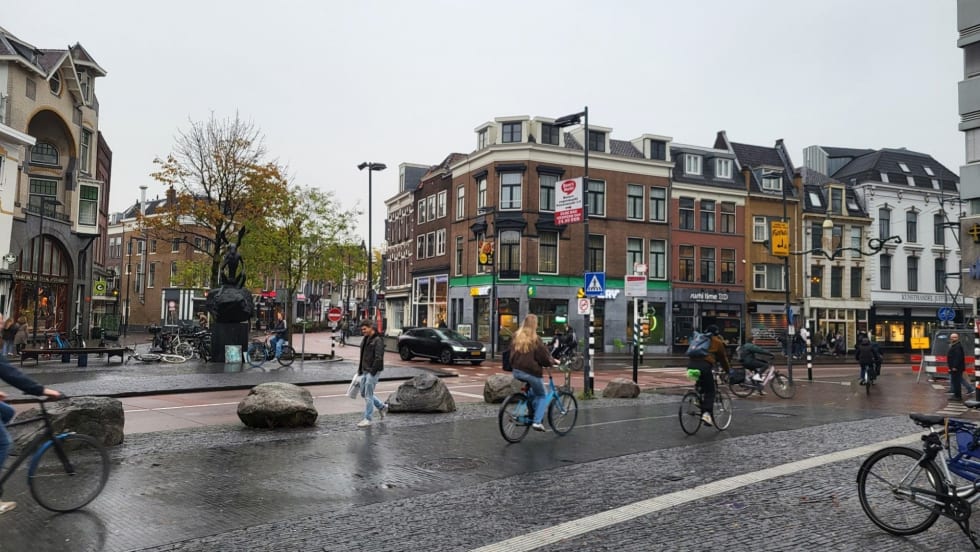
Latest Trends in Urban Mobility from Polis Conference 2025
Polis comprises cities and regions, as well as corporate partners, from across Europe, promoting the development and implementation of sustainable mobility. This year’s event had over a thousand attendees across various policy forums and an exhibition.
Read More →
Why Transit Leaders Require Better Tools for Operational Clarity In Today’s Tech-Fragmented Environment
Across North America and beyond, transit agency officials are contending with a perfect storm of operational headaches and strategic challenges that hamper daily service and long-term progress.
Read More →
The Powerless Brokers: Why California Can’t Build Transit
It is no secret that transit in the U.S. is slow and expensive to build.
Read More →
Why Transport Sustainability Should Focus on People Instead of Cars
Simply incentivizing electrification is not enough to make a meaningful impact; we must shift our focus toward prioritizing public transportation and infrastructure.
Read More →