
Metro Magazine

 MENU
MENU SEARCHMENUSEARCH
Loading data...
With over one hundred million annual riders on its buses and rail system, WMATA plays a critical role in both the National Capital Region and the broader northeast corridor.
Read More →

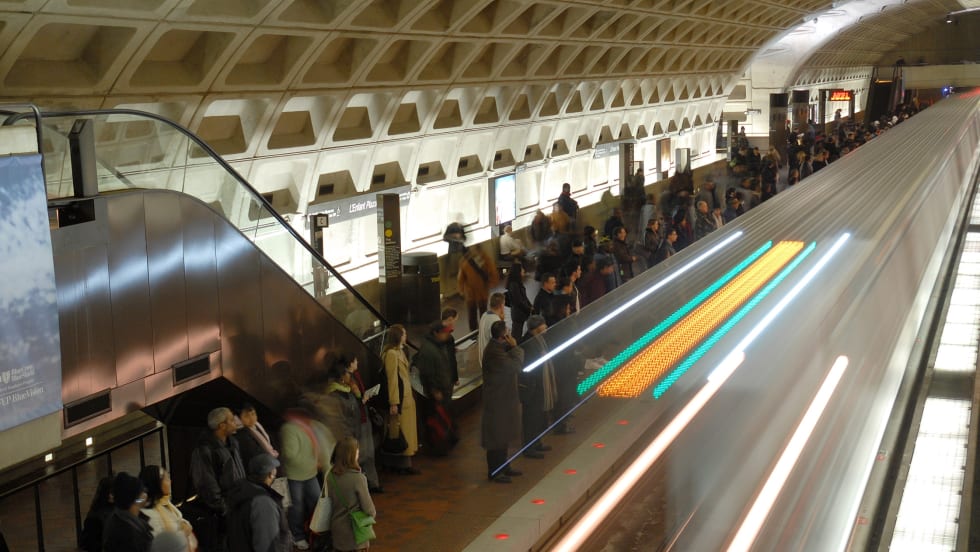

Over the past century, public transportation has evolved through innovation in areas such as technology, social policy, legislation, regulation and funding. The following are the perspectives of inudstry notables on what they deem as key innovations of the past century.
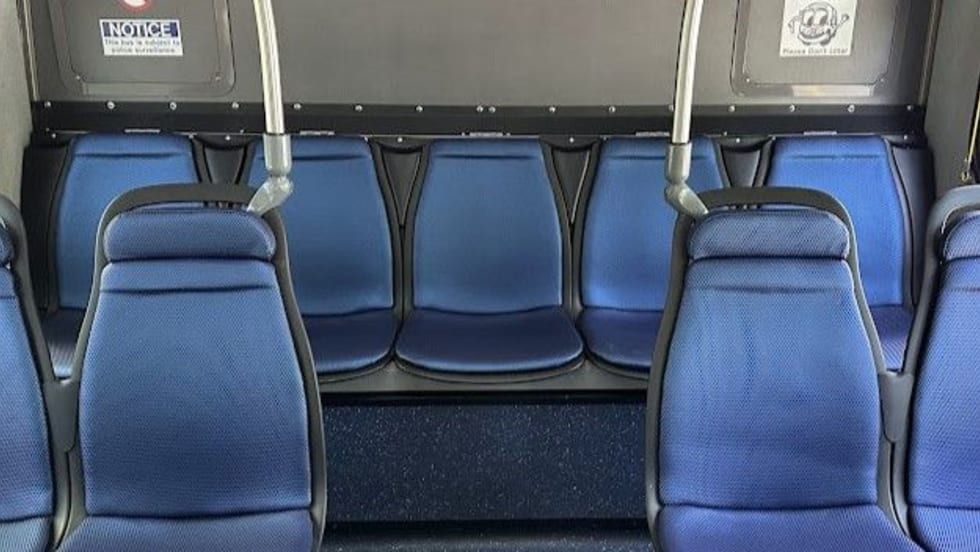
Read More →Nearly 40 buses have had their cloth seats replaced with modern, easier-to-clean and maintain vinyl, similar to the material used on Metrorail trains.
Read More →MetroAccess EZ-Pay became available May 1 and allows customers to prepay for trips by phone or online using a credit or debit card, eliminating the need to carry cash, tokens or other paper-based forms of payment.
Read More →Additionally, the earliest trains on Sunday would start at 8 a.m., while the start times for trains on weekdays and Saturdays would remain at 5 a.m. and 8 a.m., respectively.
Read More →The contract also includes an option worth $194 million to supply an additional 120 new subway cars.
Read More →The service will be offered seven days a week for trips within WMATA’s service area between midnight and 4 a.m. when its rail system is closed.
Read More →Fares on the regional bus system would increase to $2 from $1.75, while the plan would also raise Metrorail fares, reduce train frequency, and cut 1,000 jobs, including 300 bus and train operators.
Read More →In addition to the new technology, WMATA is also retraining operators and track workers to prevent what could be a deadly accident.
Read More →Issuing bonds is an important part of Metro’s strategy to maintain a predictable revenue stream to plan for long-term capital projects that modernize the system and keep it safe and reliable for generations to come.
Read More →