




Read More: Data Shows WMATA’s New Faregates Reducing Fare Evasion
WMATA Advances Sustainability, Climate Change Solution
Issuing bonds is an important part of Metro’s strategy to maintain a predictable revenue stream to plan for long-term capital projects that modernize the system and keep it safe and reliable for generations to come.
August 28, 2023

Sustainability–Climate Transition Bonds require that bond proceeds are used exclusively to fund projects with environmental and social benefits – and Metro’s entire capital program qualifies.
Photo: Canva
2 min to read
The Washington Metropolitan Area Transit Authority (Metro) announced it is advancing its mission to be part of the region’s solution on sustainability and climate change by selling bonds that have secured a Sustainability-Climate Transition designation. This means they will be used to fund projects with environmental benefits and also contribute a positive social benefit.
The Sustainability – Climate Transition Bonds designation is issued by the International Capital Market Association (ICMA).
What the Bond Sale Will Fund
The $797,800,000 bond sale, which settled Aug. 17, will fund capital projects across Metro’s approved FY24 Capital Improvement Plan, including but not limited to: bus garage rehab and replacements, bus fleet replacement & zero-emission bus transition, automatic train control equipment upgrades, traction power upgrades, work on Metro’s existing fleet of trains and its next generation of railcars, and rail station LED lighting improvements.
"Choosing Metro has always been one of the most beneficial choices you can make for sustainability and the environment, and these new bonds further solidify Metro as a leader in sustainability for the region and an attractive investment for the bond market,” said Randy Clarke, Metro GM/CEO.
Metro said its biggest sustainability impact on the region is in the service it provides - low-carbon transportation. In 2022, Metro customers traveled 760,000,000 miles on bus and rail, reducing tailpipe emissions by 240,000 metric tons if those miles would have otherwise been traveled by car.
More About Sustainability–Climate Transition Bonds
Sustainability–Climate Transition Bonds require that bond proceeds are used exclusively to fund projects with environmental and social benefits – and Metro’s entire capital program qualifies.
The ICMA has established standards for determining project eligibility, tracking bond proceeds, and reporting on project impact.
Metro worked with BLX Group LLC, an independent municipal consulting and compliance advisory firm, for verification of Sustainability-Climate Transition bond designation eligibility.
As outlined in its Strategic Transformation Plan, Metro's mission of "connecting you to possibilities" and its vision of being the "region's trusted way to move more people safely and sustainably" align with ICMA's Sustainability Bond Principles.
For example, this year Metro advanced equitable access to transit by capping MetroAccess fares at $4 and establishing the MetroLift program for low-income households.
Metro said its plan to transition its bus fleet to 100% zero-emission by 2042 supports ICMA’s Climate Transition Bond Principles by advancing low-carbon transportation to achieve the 2-degree Celsius warming limit established by the Paris Climate Agreement.
More Zero Emissions
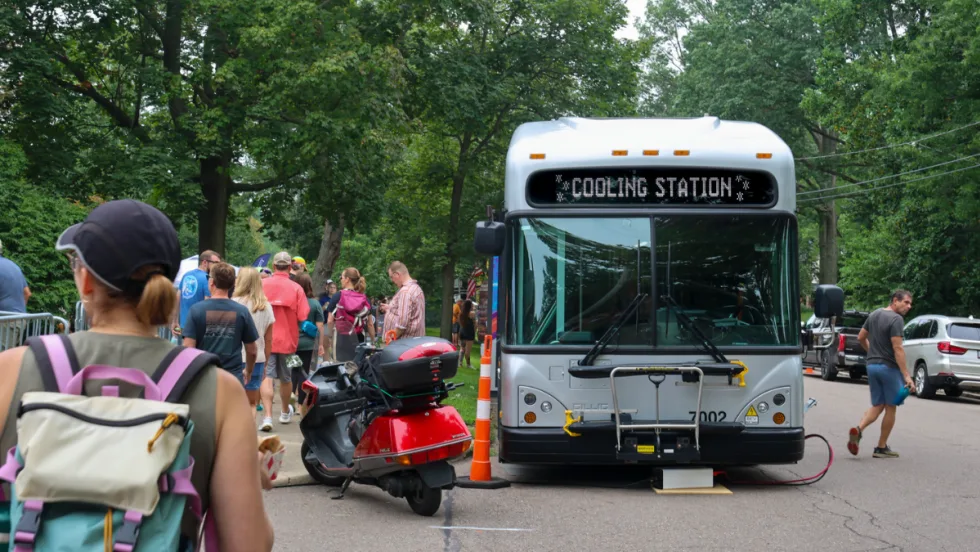
Ohio’s METRO RTA Turns Electric Buses into Mobile Power Sources at PorchROKR
See how three Gillig battery-electric buses powered festival stages while the agency’s new Park & Ride service carried approximately 1,000 attendees, demonstrating another potential use for transit agencies’ electric fleets.
Read More →
CALSTART and Forth Combine to Form Catalyst Mobility
The new name represents a renewed vision for the nonprofit focused on advancing clean, equitable, and affordable transportation solutions that move people and goods.
Read More →
Building a Flexible Path to Transit Electrification
John Hroncich discusses BAE Systems’ modular and scalable approach, lessons learned from decades of real-world operations, and how agencies can identify electrification strategies that fit their fleets.
Read More →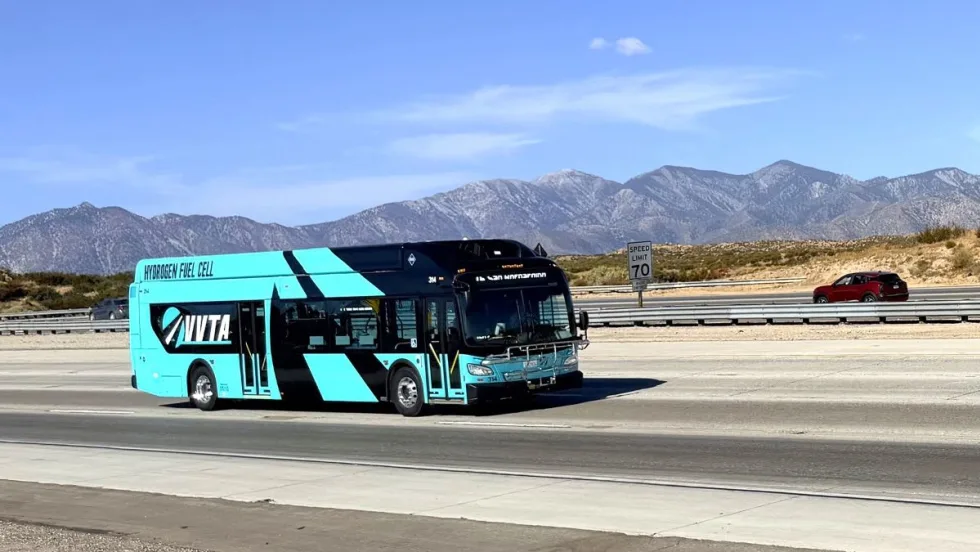
California's VVTA Begins Phased Rollout of Hydrogen Fuel Cell Buses
The agency is introducing 13 zero-emission buses into revenue service while evaluating performance across its urban, rural, and long-distance routes.
Read More →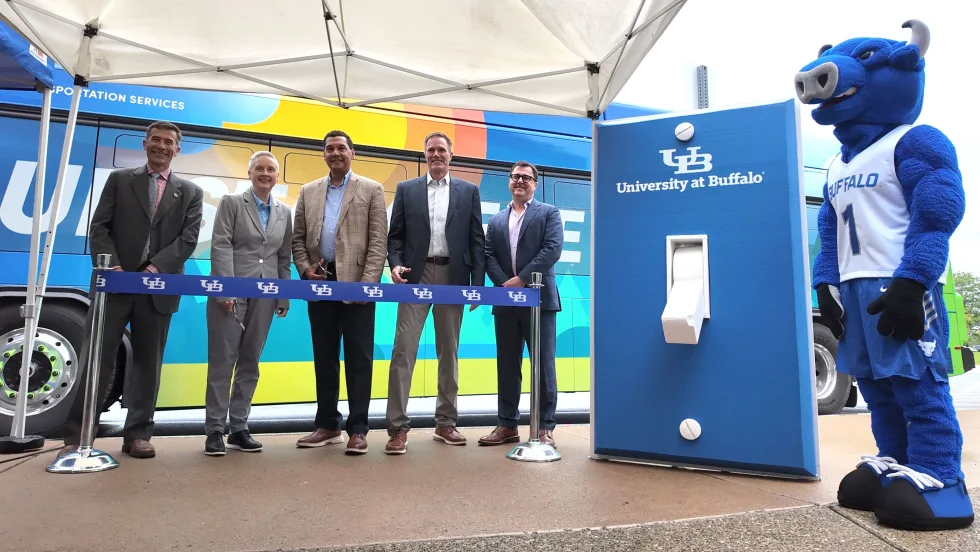
Inside Look: University at Buffalo Puts First 8 Electric Buses Into Stampede Service
UB, transportation solutions provider WeDriveU, and fleet electrification specialist Zenobē marked the deployment in the presence of students, university administrators, and local officials.
Read More →
Biz Briefs: OCTA Taps Clean Energy for Hydrogen Station, Stadler to Supply Via Rail Vehicles, and More
From manufacturers and suppliers to transit agencies and motorcoach operators, these updates offer a snapshot of the projects, partnerships and business moves driving the industry forward.
Read More →
AC Transit’s Cecil Blandon on Building the Next Generation of Transit Maintenance Leaders
The agency’s maintenance chief discusses leadership, workforce development, zero-emission technology, and preparing technicians for the future of public transportation.
Read More →
CTDOT Taps STV for Electric Bus Facility Design
The firm will work with CTDOT and RVT to define the facility layout, operational requirements, and long-term flexibility for RVT’s growing electric fleet.
Read More →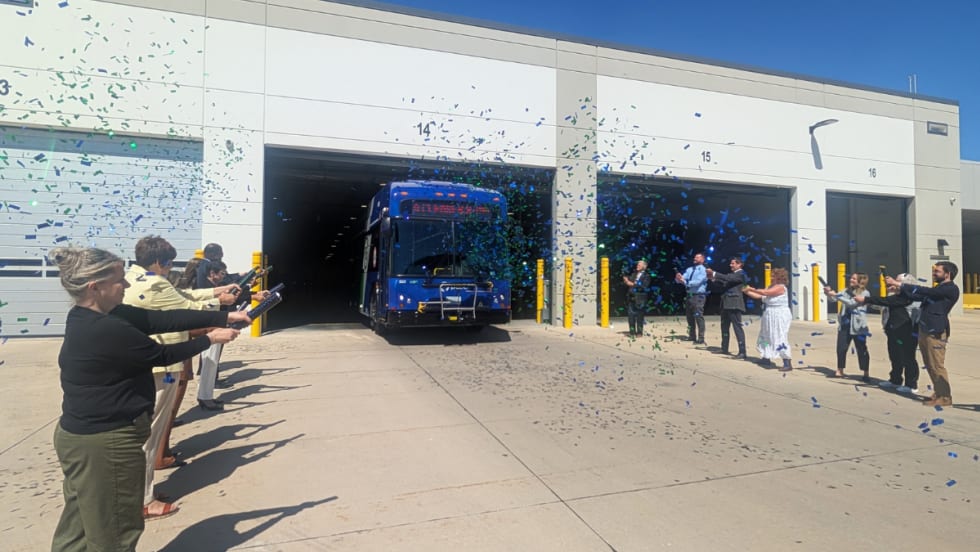
Chicago’s Pace Deploys 24 Hybrid-Electric Buses in Will County
The new buses reduce emissions and fuel consumption while advancing the agency's long-term goal of transitioning to a fully zero-emission fleet.
Read More →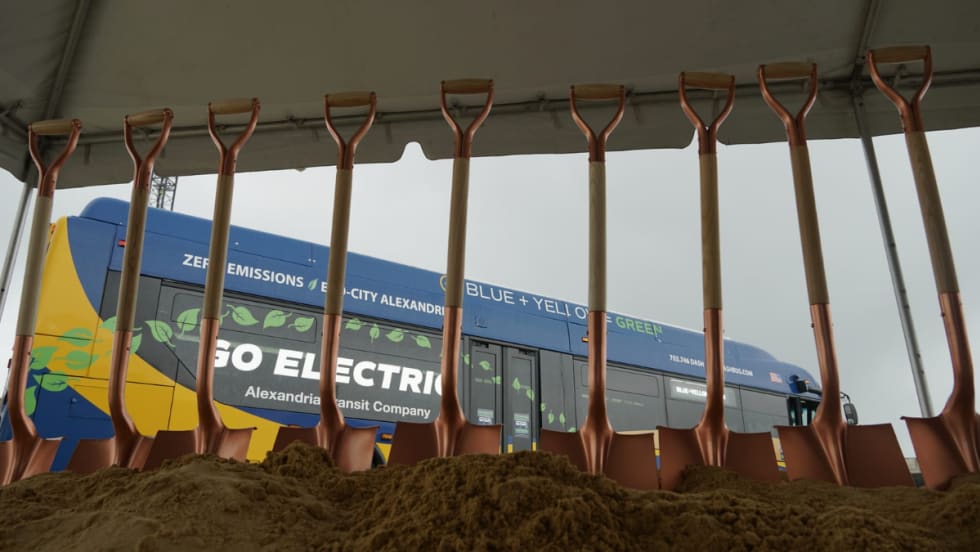
DASH Breaks Ground on First On-Route Electric Bus Chargers in D.C. Region
The fast-charging infrastructure will help extend electric bus range, improve fleet utilization, and support DASH's goal of transitioning to a fully zero-emission fleet.
Read More →