



WMATA chooses MJM for paratransit payment
MetroAccess EZ-Pay became available May 1 and allows customers to prepay for trips by phone or online using a credit or debit card, eliminating the need to carry cash, tokens or other paper-based forms of payment.

The Washington Metropolitan Area Transit Authority (WMATA) tapped MJM Innovations, a firm specializing in electronic transaction processing, technology solutions and services for transportation programs, to provide electronic transaction technology that will enable the new EZ-Pay feature for the MetroAccess paratransit program.
MetroAccess EZ-Pay became available May 1 and allows customers to prepay for trips by phone or online using a credit or debit card, eliminating the need to carry cash, tokens or other paper-based forms of payment.
To provide the new EZ-Pay capabilities, WMATA is employing the EZTransport solution from MJM Innovations. Developed in 2001 and currently in use by both small and large transportation programs throughout the U.S., EZTransport utilizes a Web-based software application and a state-of-the-art transaction processing platform to enable automated fare collection and capture of fare and trip data.
With the EZTransport technology, MetroAccess customers can access their EZ-Pay accounts either by phone or online at WMATA's Website. In addition to being able to add money to their EZ-Pay accounts, customers can keep track of their account balances and view trips they've scheduled and taken. MetroAccess customer service representatives can also provide EZ-Pay account information to customers.
More Paratransit
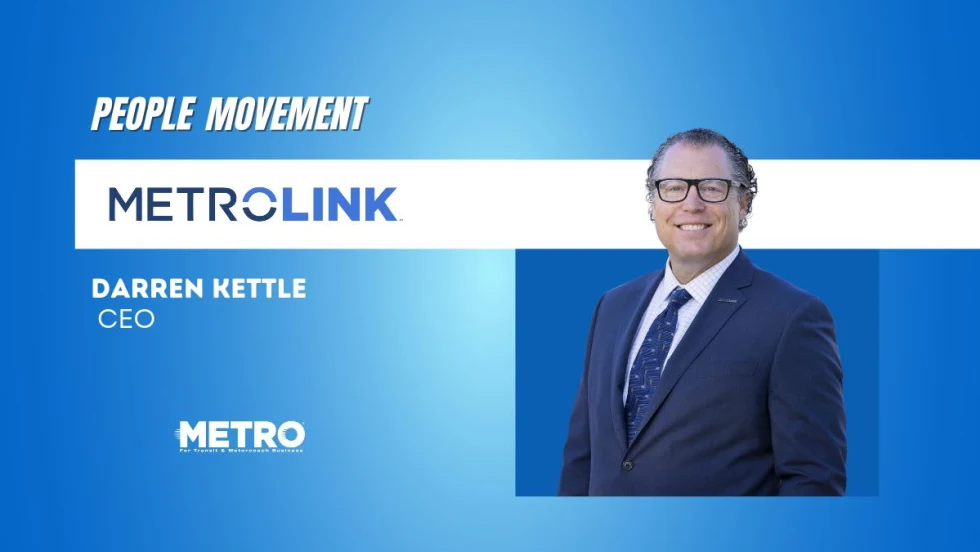
People Movement: Metrolink's Kettle Announces Retirement, Feakins to CEO at UZURV, and More
In this edition, we also cover recent appointments and announcements at King County Metro, SilverRide, and more, showcasing the individuals helping to shape the future of transportation.
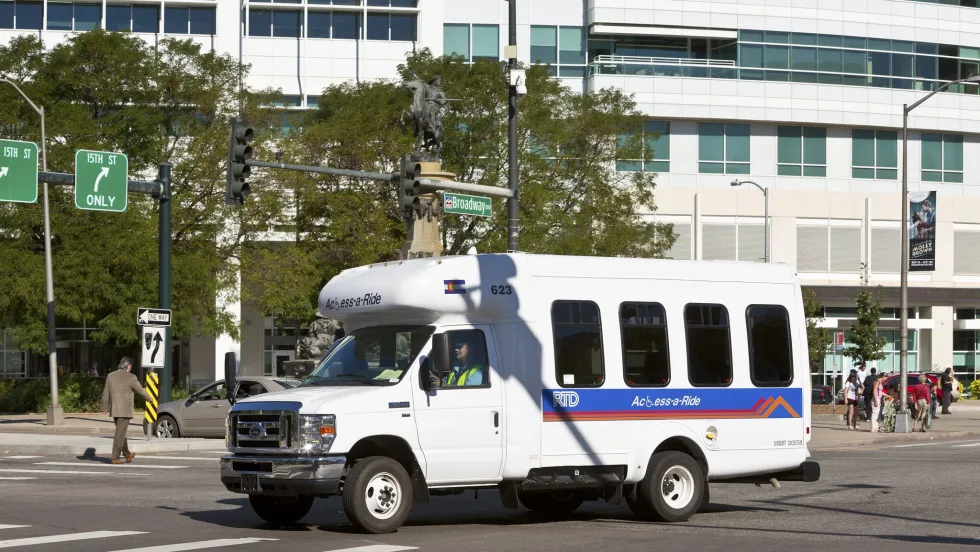
Denver RTD Committee to Review Paratransit Services, Improve Accessibility
The committee will oversee an independent study of paratransit operations, gather customer feedback, and recommend improvements to service reliability, accessibility, and accountability.

Laketran Cuts Fuel Costs, Boosts Efficiency with Propane-Powered Fleet
The Ohio transit agency is using propane-powered vehicles and on-site fueling infrastructure to cut fuel and maintenance costs while meeting growing demand for paratransit services.

Pierce Transit Moves to Expand Fleet Following Proposition 1 Approval
The agency authorized the purchase or refurbishment of up to 60 buses to support a 47% service expansion, as voters nationwide approved billions in new transit funding.

Right-Sizing Rural Transit: Lessons from North Grenville’s On-Demand Model
A small municipality shows how flexible service, rider needs, and public accountability can expand mobility with limited resources.
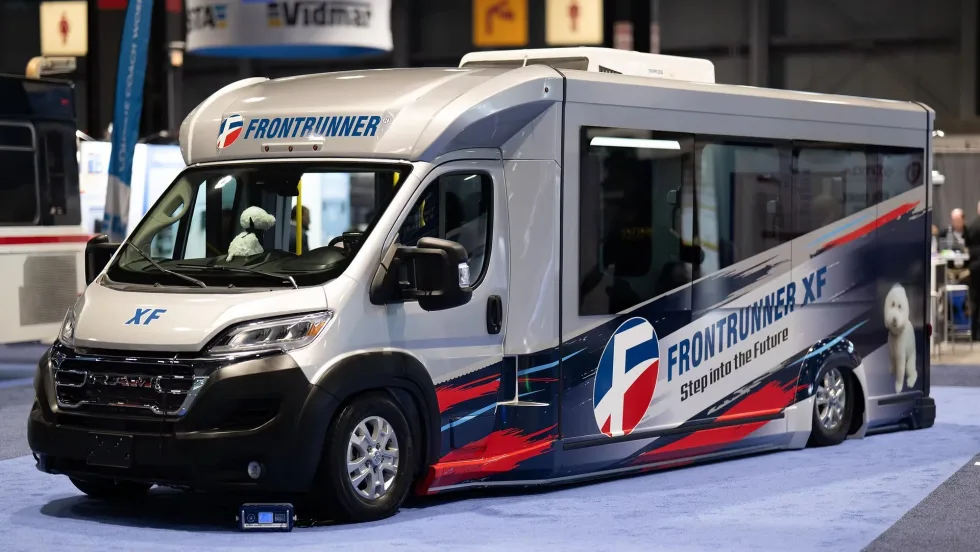
Frontrunner Bus Group Introduces XF Low-Floor Bus with Enhanced Accessibility
The new mid-sized bus features a full flat-floor design, eight-inch curbside step-in height, and zero-entry rear ramp to improve passenger access and operational flexibility.
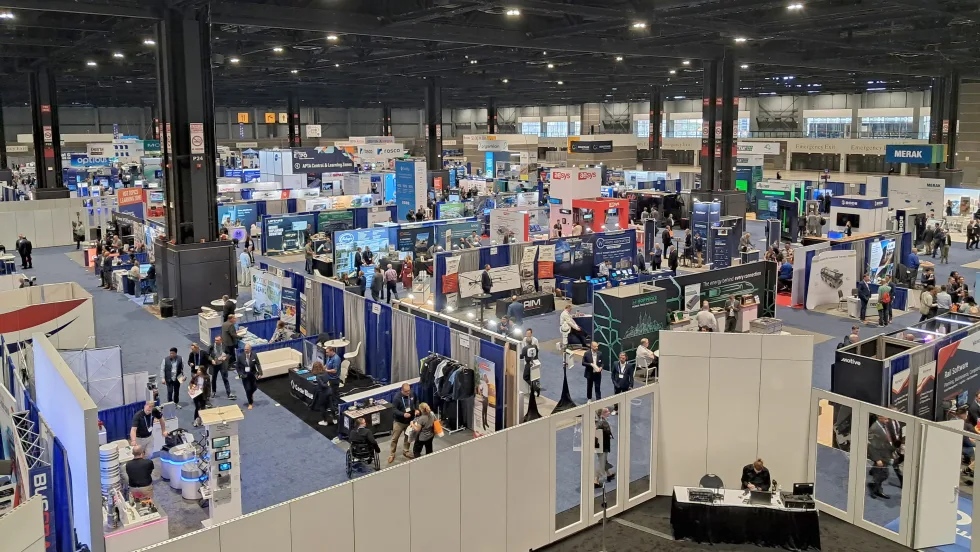
Scenes from APTA TRANSform & EXPO 2026
Transit leaders, manufacturers, and industry professionals gathered in Chicago to explore new technologies, share ideas, and discuss the future of public transportation.
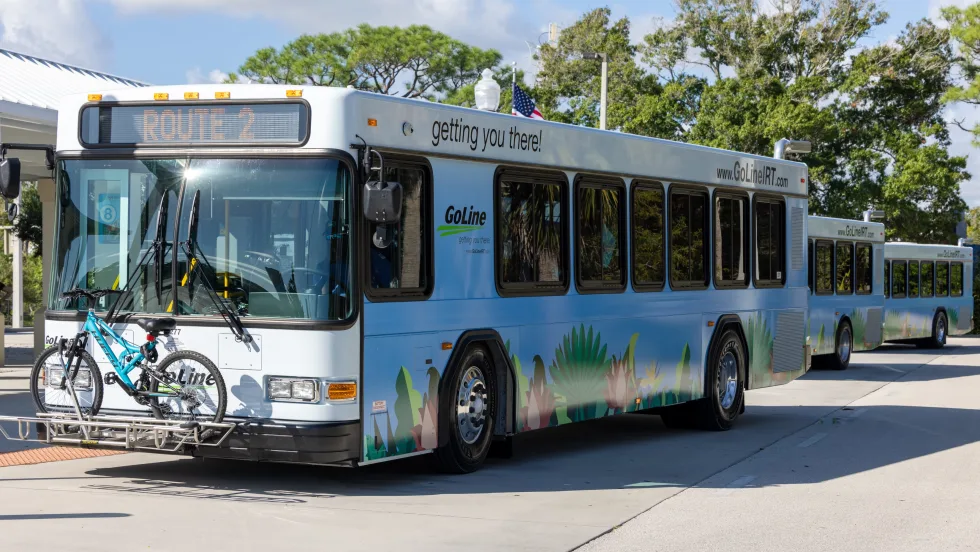
Indian River Transit’s Community-Focused Approach Earns National Recognition
Named APTA’s 2026 Outstanding Public Transportation System in its size category, Florida’s Indian River County transit system continues to grow ridership through fare-free service and a focus on evolving community needs.
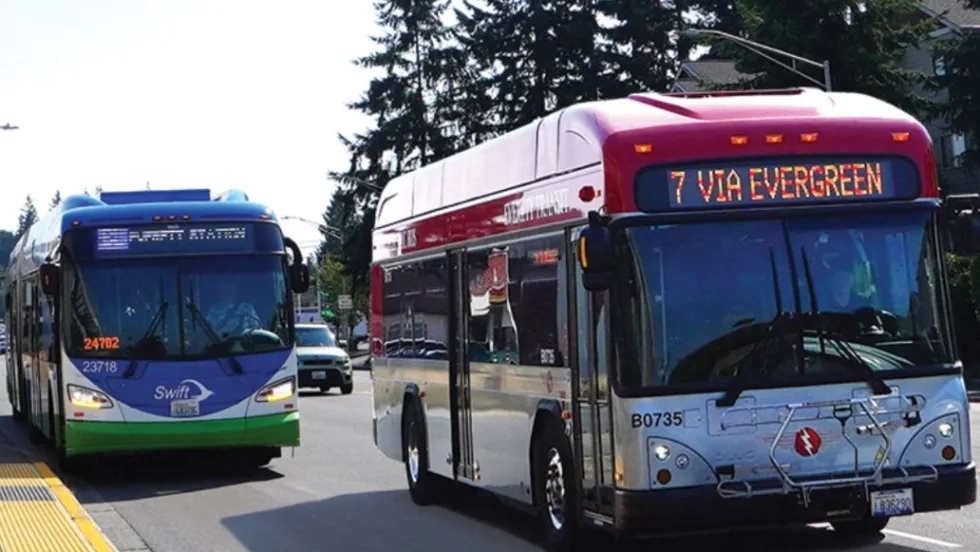
Everett Transit, Community Transit Outline Consolidation Agreement
The proposed agreement calls for a 50% increase in bus service in Everett, a new microtransit zone, continued paratransit service, and the transfer of Everett Transit operations to Community Transit.
Driving Smarter Paratransit
John Hanlon shares how AlphaRoute is leveraging AI-powered technology to help paratransit providers optimize operations, support frontline staff, and enhance the rider experience.