
Metro Magazine

 MENU
MENU SEARCHMENUSEARCH
Loading data...

Will lower the agency's power bill by $94,000 and cut 86 tons of carbon dioxide (CO2) emissions per year.
Read More →This purchase is a follow-on order from the initial $898,400 contract announced in August 2009. At that time, Proterra purchased battery modules for several zero-emission demonstration buses, one of which was displayed to Washington, D.C. policymakers in October 2009.
Read More →Using the methodology developed by APTA, in cooperation with the MTA and other U.S. transit agencies, consulting firms, nonprofits and academics, the MTA enables New Yorkers to avoid emitting 8.24 units of carbon for every unit the MTA emits through its operations.
Read More →The ECO-Smart I Buses are expected to be operational prior to the end of June 2010, on Sir Bani Yas Island, making it the first destination in the world to have an entirely electric transportation system.
Read More →
The advanced bus chassis and body manufactured by New Flyer, features ISE’s hybrid-electric fuel cell drive system, which incorporates a 150kW fuel cell manufactured by Ballard Power Systems.
Read More →Participants will get a first hand look at the timeline for fuel-cell buses and their projections for price reductions and full commercialization, a look at some new exciting battery electric bus technology being field tested, and hear about some truly new and very cost effective options to enhance the use of natural gas and natural gas refueling and electric recharging.
Read More →One 40-foot hybrid fuel-cell New Flyer bus will enter regular transit service in 2010, and an El Dorado fuel-cell hybrid bus will be operational in 2011 at the Thousand Oaks, Calif.-based agency.
Read More →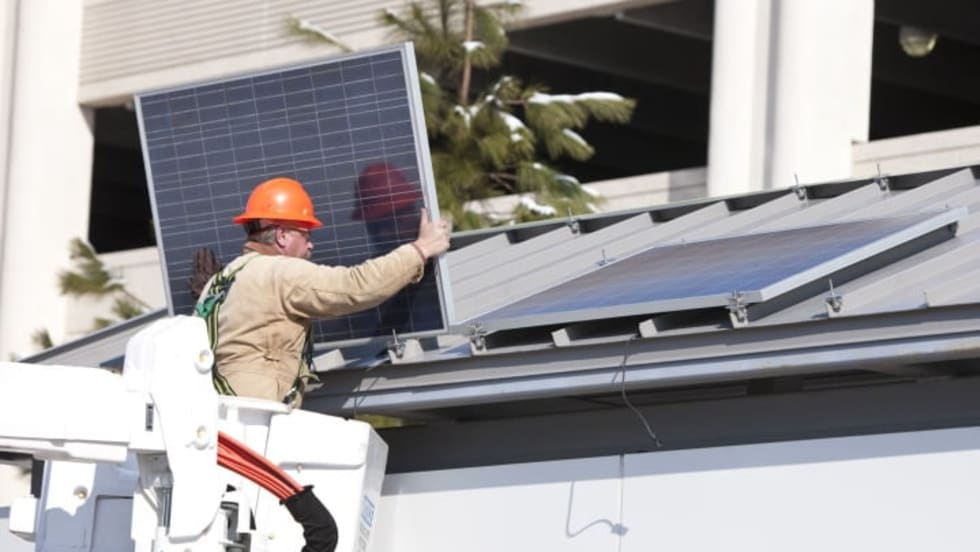
The car, which can travel about 120 miles between charges, will probably consume about 3,100 kilowatts of electricity if the car is driven about 5,600 miles per year.
Read More →The project is expected to eliminate 688 metric tons of carbon dioxide and equivalents from the air each year, or 8,250 metric tons over the lives of the vehicles.
Read More →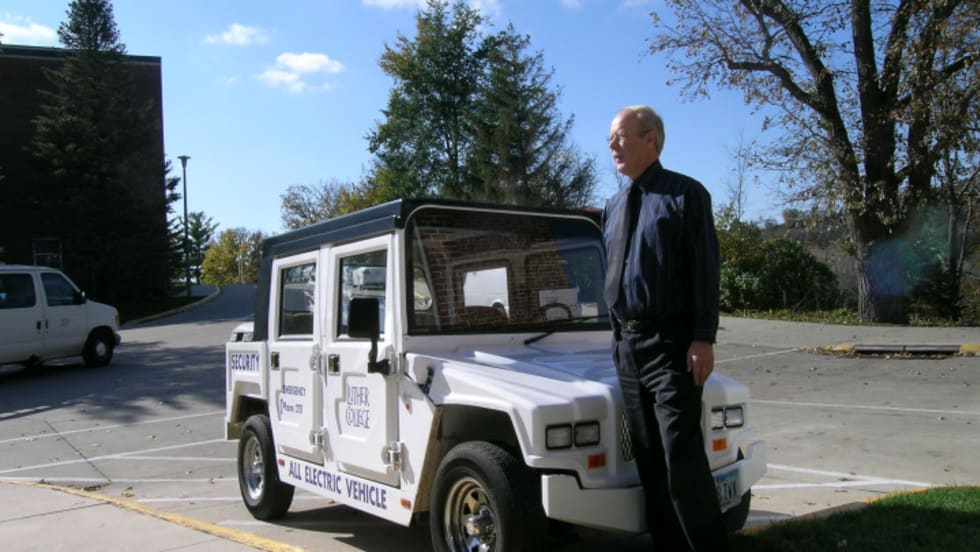
Explores the challenges, both real and perceived, to significant reductions, and provides successful examples, and resources necessary to address the challenges.
Read More →