



N.Y. MTA unveils solar-powered water heating system
Will lower the agency's power bill by $94,000 and cut 86 tons of carbon dioxide (CO2) emissions per year.

Last week, the New York Metropolitan Transportation Authority (MTA) and New York Power Authority (NYPA) unveiled an advanced rooftop-mounted solar thermal array that heats hot water used to wash subway cars at New York City Transit's Coney Island Overhaul Shop and Maintenance Facility.
By lessening MTA's need for electricity, the array will lower the agency's power bill by $94,000 and cut 86 tons of carbon dioxide (CO2) emissions per year.
The solar thermal system consists of 48 panels that are mounted on the building's roof. They capture the radiant heat from the sun and transfer it to water in interconnected pipes. The system functions as a water heater for domestic and other hot water use at the facility. The water is used for cleaning and washing trains during their scheduled maintenance and for domestic-use needs by staff.
Installation of the solar thermal array cost $550,000, which was financed by NYPA with the help of a $150,000 grant from the New York State Energy Research and Development Authority (NYSERDA).
The solar thermal project, which began in November, is part of a more than $1.1 million NYPA- and NYSERDA-funded energy efficiency upgrade for the Coney Island Facility, which also includes the installation of high-output fluorescent fixtures that are more efficient, last longer and provide better illumination than the light sources they replaced, saving the MTA $76,000 per year.
Altogether, the MTA and NYPA have partnered on 85 energy projects for a savings of nearly $5.7 million a year and annual reduction of greenhouse gas emissions of more than 34,000 tons.
More Rail
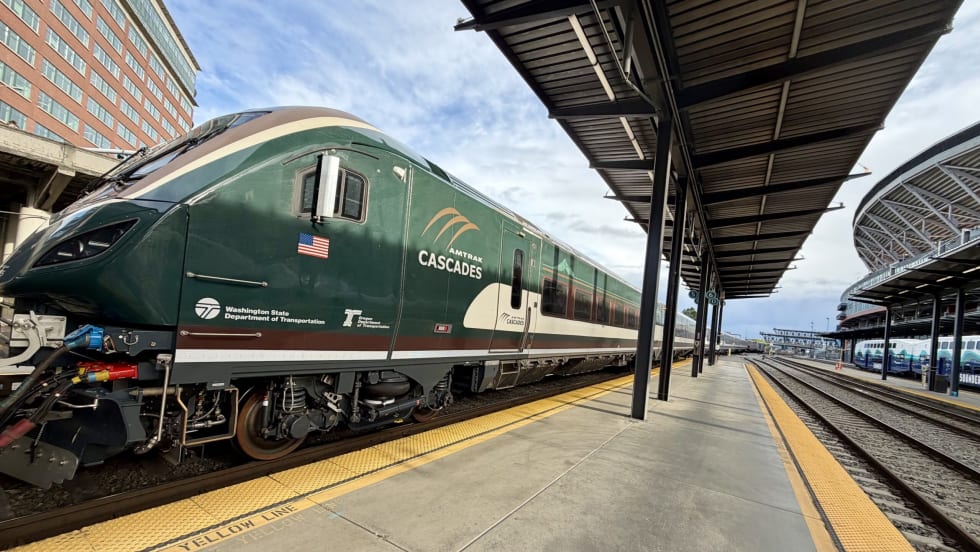
FRA Announces $5.3B in Rail Investments, Including $2B for Amtrak
Funding will support grade-crossing improvements, infrastructure upgrades, and new Amtrak equipment in 23 states.
Read More →
Finding the ‘Happy Medium’: Optimizing Maintenance Without Sacrificing Reliability
The key to maintenance optimization isn’t doing less work—it’s doing the right work at the right time on the right assets.
Read More →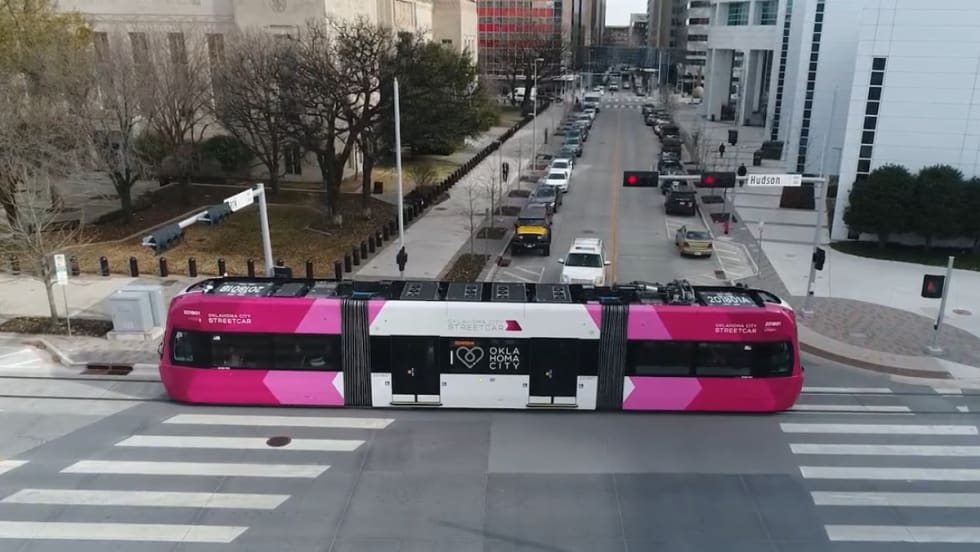
OKC Streetcar Makes Zero-Fare Service Permanent
Ridership increased an average of 71% compared with the same period a year earlier during the fare-free pilot.
Read More →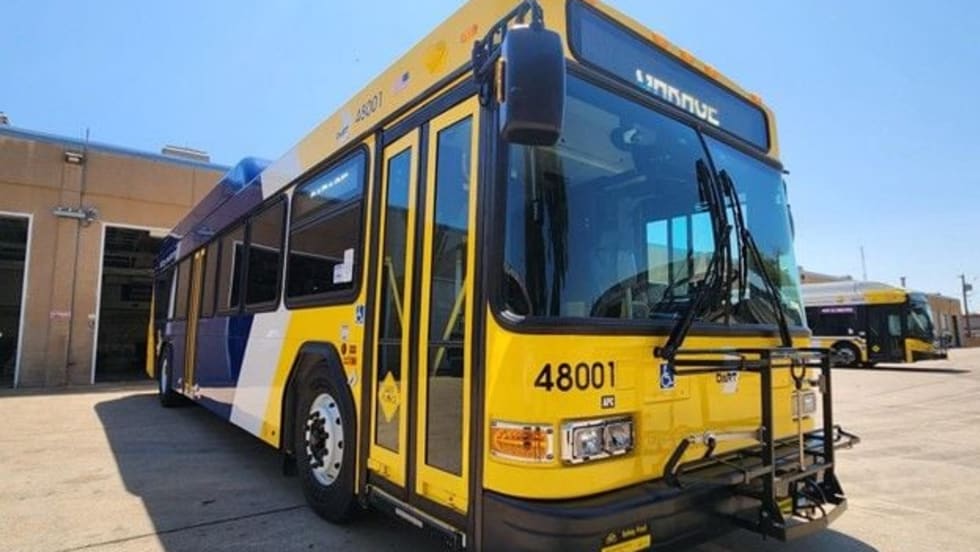
DART Customer Satisfaction Reaches Six-Year High
Overall satisfaction rose to 74.9%, while the agency’s Net Promoter Score reached a record 33.7.
Read More →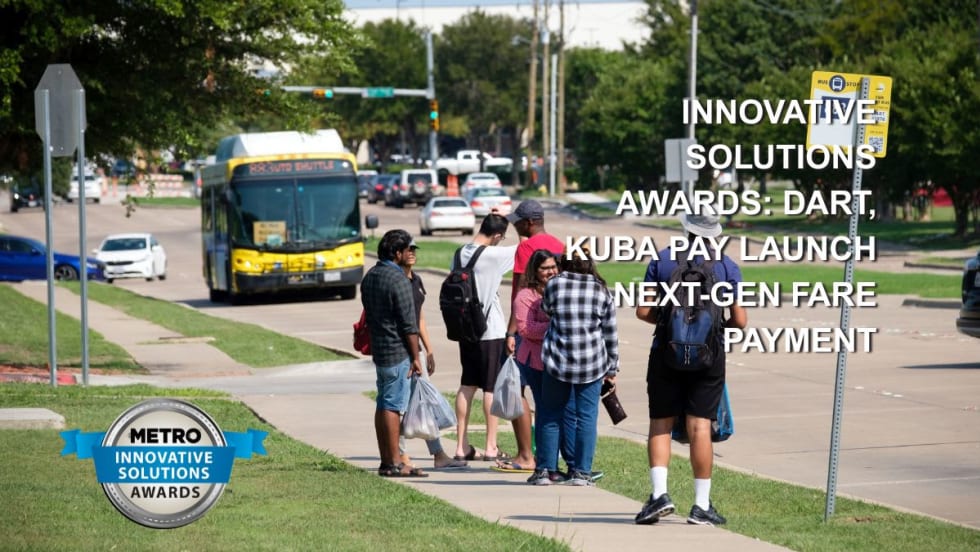
How DART's GoPass Is Redefining Regional Mobility
Serving 14 transit agencies, GoPass simplifies multimodal travel by allowing riders to plan, pay for, and manage an entire trip through one app.
Read More →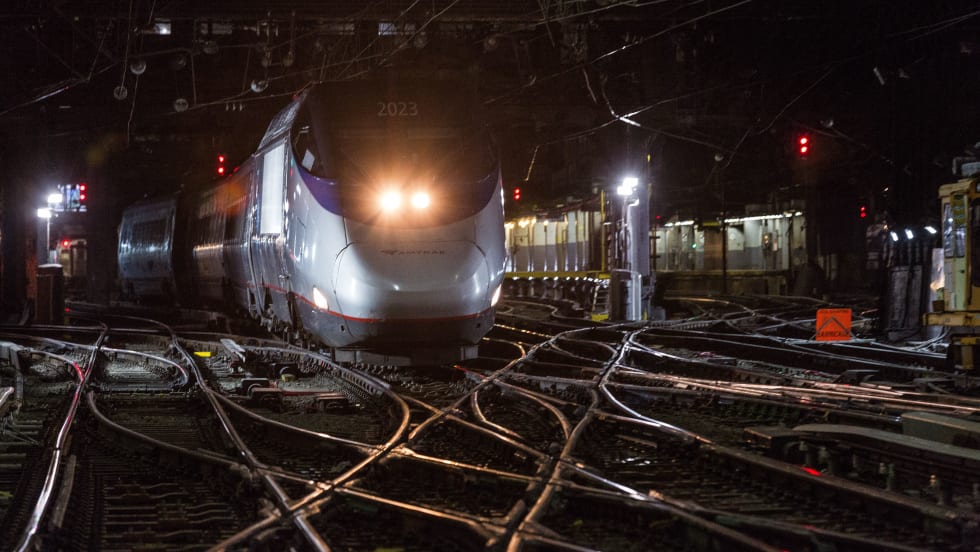
Amtrak Board Advances Plan to Restructure Organization, Seeks Public Input
The proposal, developed by Amtrak management and approved by the board for further consideration, is intended to modernize the organization's structure while improving accountability, operational efficiency, and customer service.
Read More →
Biz Briefs: STV teams with Amtrak, Motorcoach Operators Boost Fleet and Land Contracts, and More
From manufacturers and suppliers to transit agencies and motorcoach operators, these updates offer a snapshot of the projects, partnerships and business moves driving the industry forward.
Read More →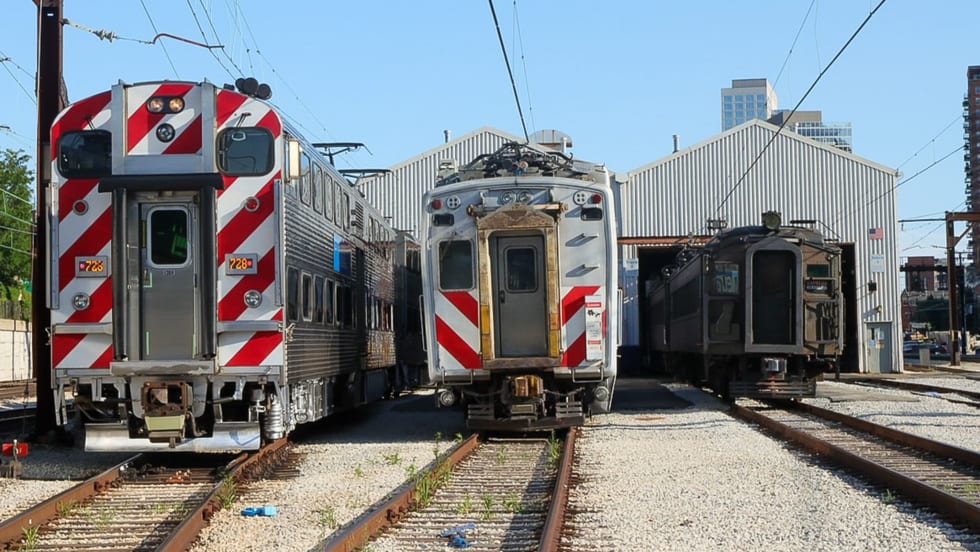
Metra Celebrates 100 Years of Electric Rail, Looks to the Future
The event was also a celebration of recent reforms to public transportation in the Chicago area, changes that could be as transformative in the future as the major civic achievement a century ago, said officials.
Read More →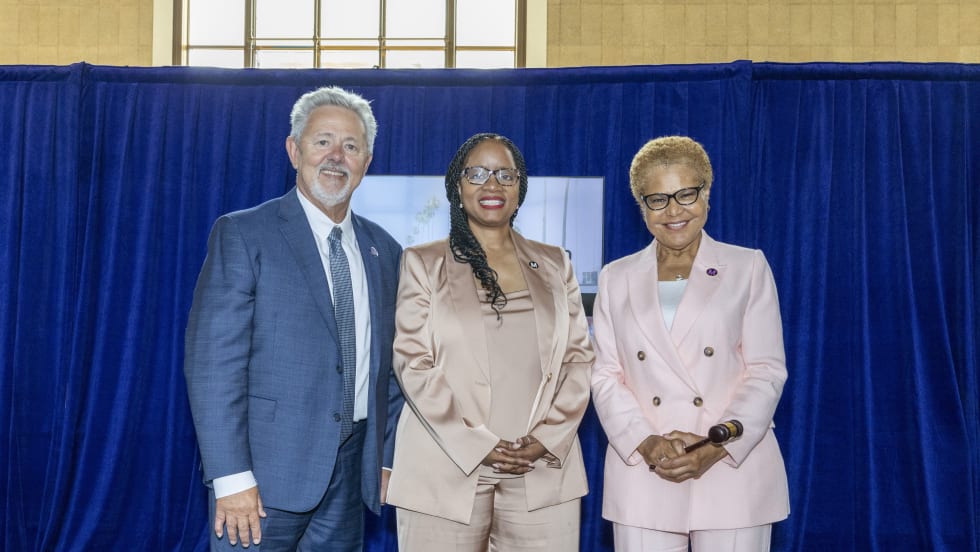
LA Metro Marks Banner Year, Sets Ambitious Goals for New Fiscal Year
Incoming LA Metro Board Chair and Los Angeles Mayor Karen Bass joined outgoing Board Chair Fernando Dutra and LA Metro CEO Stephanie Wiggins to review accomplishments from fiscal year 2026, which included the opening of new rail extensions, advancement of major transit projects, expanded safety programs, and new rider amenities.
Read More →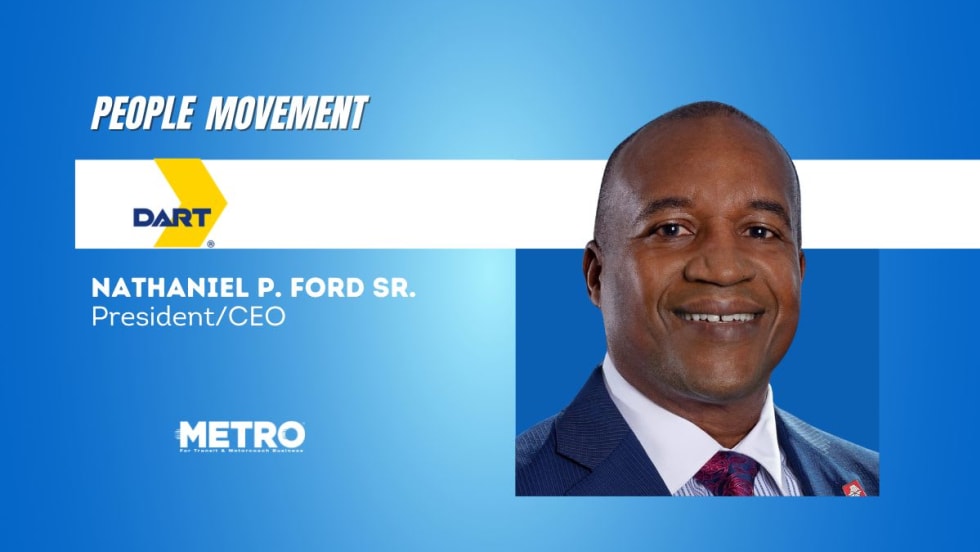
DART Taps Nathaniel P. Ford Sr. as Next President/CEO
Since 2012, Ford has served as the CEO of the Jacksonville Transportation Authority
Read More →