



U.Va. uses solar panels to power electric car
The car, which can travel about 120 miles between charges, will probably consume about 3,100 kilowatts of electricity if the car is driven about 5,600 miles per year.

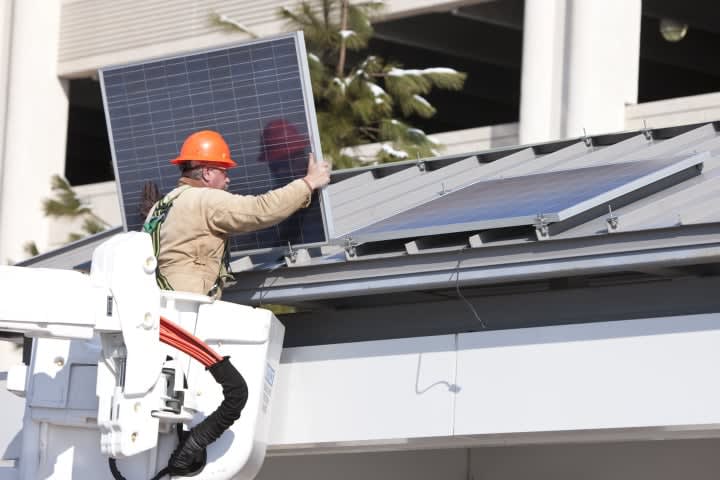
[IMAGE]11010-photo-1-high-res.jpg[/IMAGE]The University of Virginia (U.Va.) students who converted a Honda to run on electricity will now try to partly power it with solar energy.
Students in a mechanical engineering class converted the 1994 Accord to run on electricity last year. Now, they are working with U.Va. facilities management to install photovoltaic panels near its parking space to generate electricity to offset some of what the car consumes.
The panels were installed this week atop a bus kiosk at the Emmet/Ivy Garage and will feed electricity to the garage. The car, which will be used by the department of parking and transportation, will be berthed and recharged at the garage.
"The solar-generated electricity will be part of the power supply for the garage," said Cheryl Gomez, director of utilities for the university. "And we will meter it. Assuming roughly 1,100 hours of sunlight per year, this should yield about 1,320 kilowatt-hours of electricity per year."
The car, which can travel about 120 miles between charges, will probably consume about 3,100 kilowatts of electricity if the car is driven about 5,600 miles per year, Gomez said. The panels will offset about 43 percent of the car's energy use.
Six 200-watt photovoltaic cells, measuring about three feet by five feet each and weighing a total of 240 pounds, were paid for through donations and installed by facilities management employees. These panels, which are guaranteed for 25 years, should reduce the U.Va.'s carbon footprint by about 0.8 metric tons of carbon dioxide a year, Gomez said.
Approximately 30 students were involved with the project, which has been dubbed "Ride Forward."
More Technology
New Tricks for Old Bureaucracies: Joshua Schank on Making Transit Innovation Stick
Former LA Metro Chief Innovation Officer Joshua Schank discusses why good ideas aren't enough, how transit agencies can overcome resistance to change, and why today's challenges demand more innovation.
Read More →
How Data, Strategy, and Community Engagement Are Reshaping Transit
In this edition of METROspectives, strada360 CEO Steve Lassey discusses how transit agencies can better align planning with operations, leverage data to improve decision-making, and build public trust as they prepare for the future of mobility.
Read More →
How DART's GoPass Is Redefining Regional Mobility
Serving 14 transit agencies, GoPass simplifies multimodal travel by allowing riders to plan, pay for, and manage an entire trip through one app.
Read More →
Turn Transit Data Into Action
Discover how leading agencies are using connected technology to gain real-time visibility across operations, improve service reliability, and reduce disruptions.
Read More →
Biz Briefs: OCTA Taps Clean Energy for Hydrogen Station, Stadler to Supply Via Rail Vehicles, and More
From manufacturers and suppliers to transit agencies and motorcoach operators, these updates offer a snapshot of the projects, partnerships and business moves driving the industry forward.
Read More →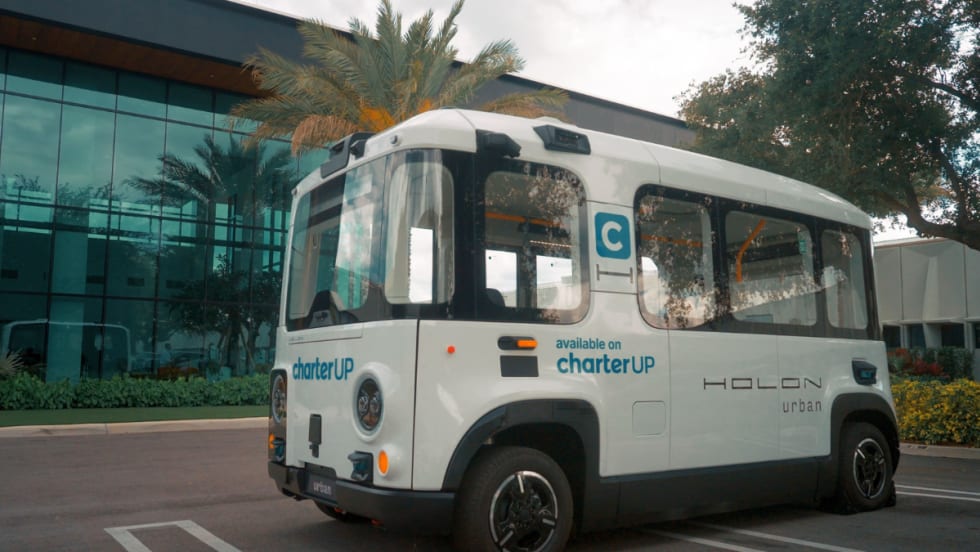
CharterUP Expands Into New Mobility and Autonomous Transportation
Vice President of New Mobility Stephen Joos discusses how CharterUP is leveraging its nationwide transportation network, technology platform, and autonomous vehicle partnerships to expand into workforce mobility, campus shuttles, and transit solutions.
Read More →
METRO Magazine Announces 2026 Innovative Solutions Awards Winners
Projects Recognized for Advancing Mobility Through Technology, Accessibility, Workforce Innovation, and Operational Excellence
Read More →
Cummins Introduces Phased Model Year 2027 Launch Strategy
According to officials, the approach is designed to maintain regulatory compliance, support customer production schedules, and provide additional time to ramp production in a disciplined manner that helps ensure a successful transition for the industry.
Read More →
Biz Briefs: STV teams with Amtrak, Motorcoach Operators Boost Fleet and Land Contracts, and More
From manufacturers and suppliers to transit agencies and motorcoach operators, these updates offer a snapshot of the projects, partnerships and business moves driving the industry forward.
Read More →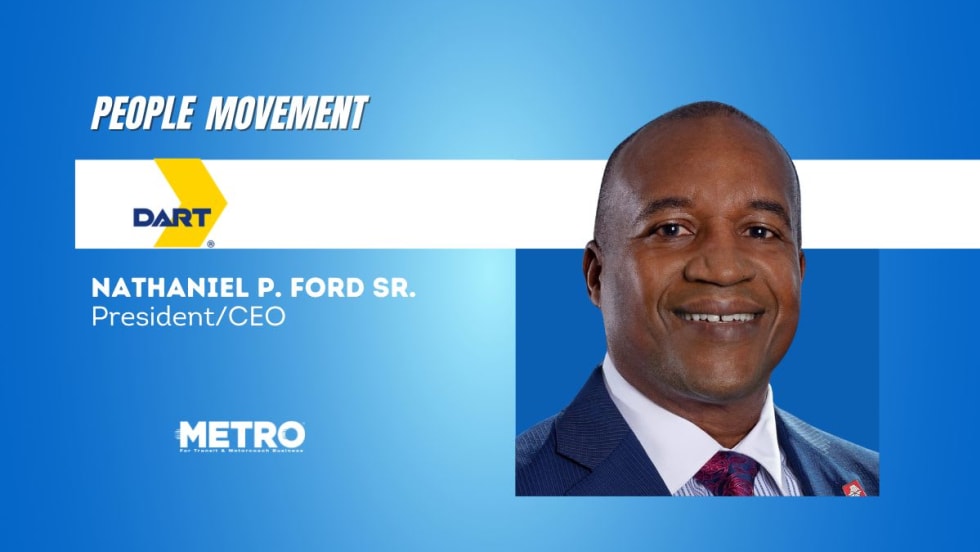
DART Taps Nathaniel P. Ford Sr. as Next President/CEO
Since 2012, Ford has served as the CEO of the Jacksonville Transportation Authority
Read More →