



Washington State receives grant to target GHGs
The project is expected to eliminate 688 metric tons of carbon dioxide and equivalents from the air each year, or 8,250 metric tons over the lives of the vehicles.

Speaking at the Smart Growth Conference in Seattle, U.S. Transportation Secretary Ray LaHood announced that one of the first grantees for recovery funds targeted to greenhouse gas and energy reduction will be a project involving lithium-ion titanate batteries in Washington State's Chelan and Douglas Counties.
Link Transit will receive $2.9 million to replace five diesel-powered circulator buses with five new Lithium-Ion battery electric-powered buses, purchase two state-of-the-art "rapid recharge" charging stations and supporting equipment at Link Transit's intermodal transit center, and fund one contract employee to provide project management and technical oversight.
The project is expected to eliminate 688 metric tons of carbon dioxide and equivalents from the air each year, or 8,250 metric tons over the lives of the vehicles.
Lithium-ion titanate batteries using fast and automated charging technology allow electric buses to be charged in a few minutes instead of a few hours, thereby overcoming a key limitation of previous battery electric buses, and allowing them to provide continuous all-day service. This battery technology is being utilized by Proterra LLC under FTA's National Fuel Cell Bus Program.
The new Link Transit's changing stations will be built in the Wenatchee communities in Chelan County, currently experiencing an unemployment rate of 10.7 percent. East Wenatchee, located in Douglas County, is currently experiencing an unemployment rate of 11.6 percent and has been declared economically distressed by the Governor. Construction spending and employment in both Chelan and Douglas counties are down nearly 40 percent from 2008 levels.
This is the first of 43 Transit Investment in Greenhouse Gas and Energy Reduction grants under the American Recovery and Reinvestment Act of 2009 to be awarded.
A total of $100 million will be available for the 43 projects.
More Bus

Castro to Lead RTC of Southern Nevada and More in People Movement
In this edition, we also cover recent appointments and announcements at the STV, MCI, and more, showcasing the individuals helping to shape the future of transportation.
Read More →
Study: Denver RTD Generates $2.1 Billion in Annual Economic Activity
An economic impact study finds the agency supports approximately 17,500 jobs, delivers $1.6 billion in annual community and mobility benefits, and generates $2.42 in economic value for every dollar invested.
Read More →
Mark Aesch Nominated to Lead Federal Transit Administration
The former Rochester transit chief and TransPro founder, who has also contributed to METRO Magazine, brings decades of industry experience and a focus on performance, accountability, and financial sustainability to the nomination.
Read More →
Pierce Transit Moves to Expand Fleet Following Proposition 1 Approval
The agency authorized the purchase or refurbishment of up to 60 buses to support a 47% service expansion, as voters nationwide approved billions in new transit funding.
Read More →
Transit Expands Agency Partnerships, Reaching 200 Official App Partners
COO Jake Sion discusses Transit’s growth, the success of its Transit Royale program, and how technology is helping agencies improve the rider experience.
Read More →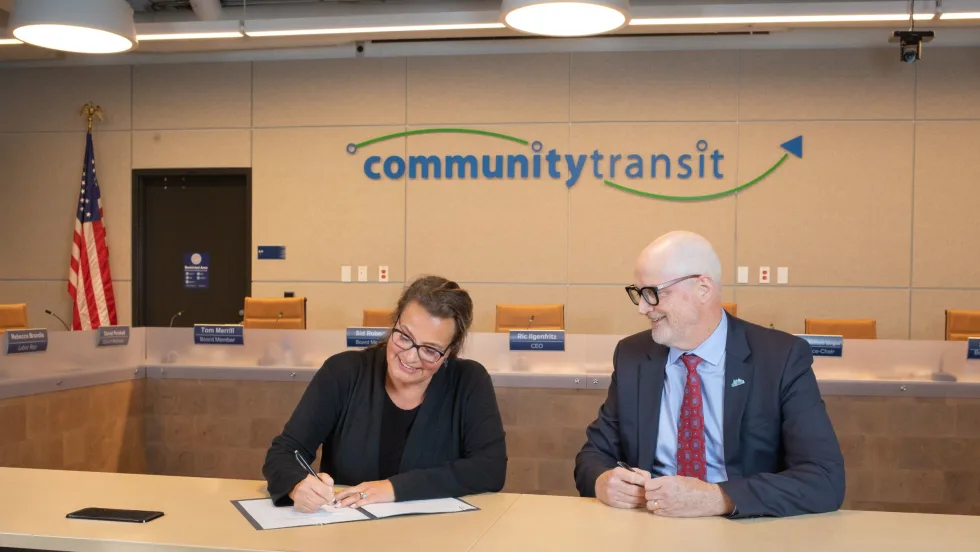
Everett Transit, Community Transit Approve Consolidation of Services
The agreement will bring Everett Transit into Community Transit’s network in April 2027, with plans to increase bus service by 50% by 2031 and expand regional connections.
Read More →
Brian Dickson on Building Stronger, More Resilient Transportation Organizations
Bus Business Consultants Founder Brian Dickson discusses the leadership principles, operational discipline, and strategic planning that separate transportation companies positioned for long-term success from those stuck in survival mode.
Read More →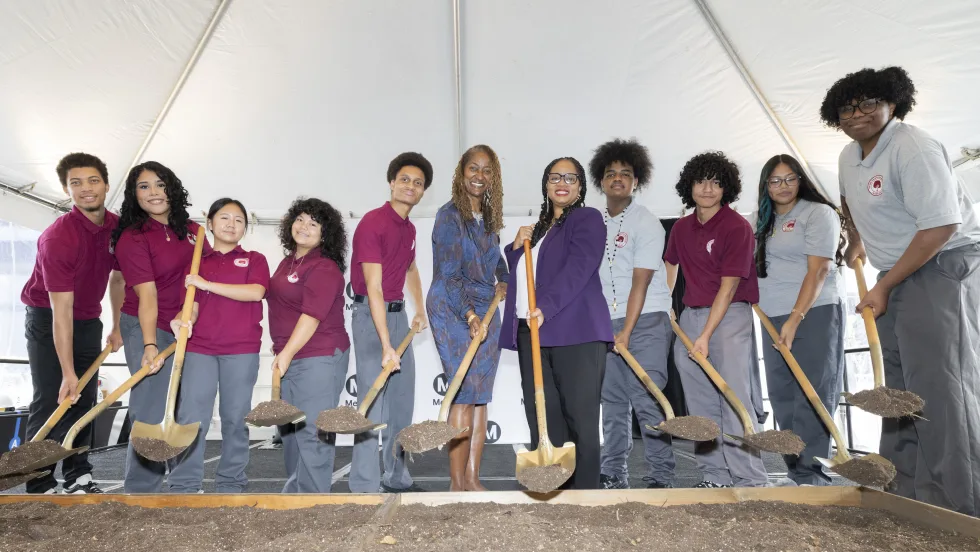
LA Metro Breaks Ground on Vermont BRT Project
The 12.4-mile corridor is projected to serve 66,200 daily riders, reduce travel times by up to 24%, and create the nation's busiest bus rapid transit corridor.
Read More →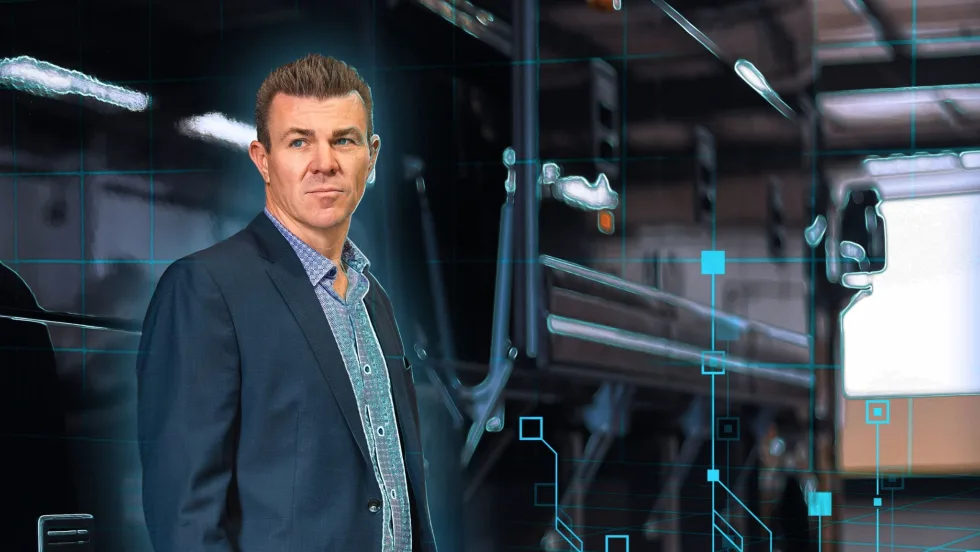
Roman Cornell on ABC Companies’ Evolution and the Future of Passenger Transportation
The company’s CEO discusses carrying forward a third-generation family legacy, ABC’s continued evolution in passenger transportation, support for increasingly complex fleets, and how technology and continued investment could help operators improve uptime.
Read More →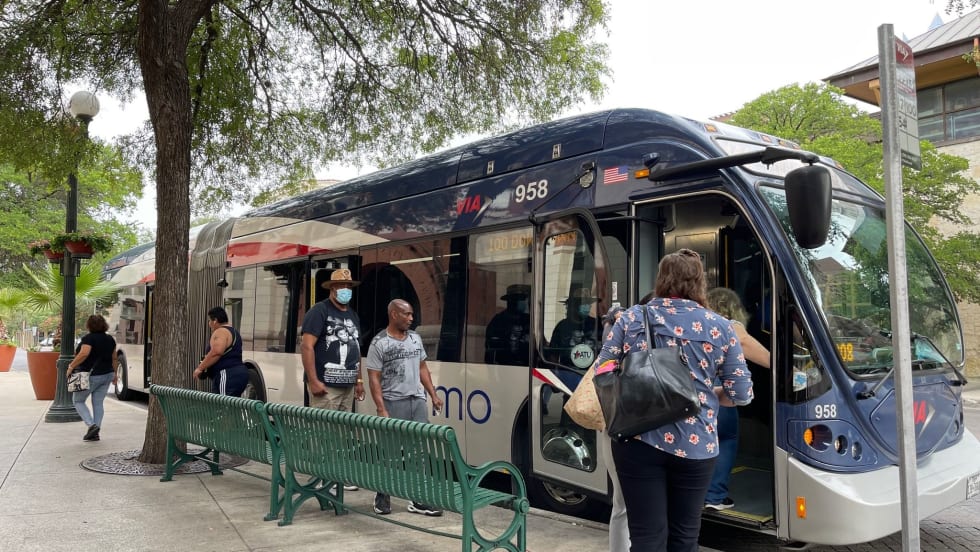
VIA Bus Ridership Grows 10.1% Through August 2026
San Antonio's VIA Metropolitan Transit reported the highest bus ridership growth among major Texas transit systems. Federal Transit Administration data ranked it second among the nation's 50 largest transit systems.
Read More →