
Metro Magazine

 MENU
 SEARCHMENUSEARCH
Loading data...

Department of Transportation Services will stop running a bus from the University of Maryland campus to Prince George’s Plaza and University Town Center except for Saturdays. Town Center managers will no longer pay for the service, which costs $87,900 annually.
Read More →



Includes an enclosed, climate-controlled passenger waiting area, five off-street bus bays to accommodate 14 bus routes that serve approximately 3,500 riders each day, a full-service ticket counter, public restrooms and space for a future coffee shop. The new center replaces a small mobile trailer that had been a temporary fix since 2006.
Read More →he expansive project saw the outfitting of all 81 of the university's shuttles with on-board equipment that provides real-time GPS, automatic on-board announcements and integration with existing automatic passenger counters.
Read More →Cited for efforts to increase energy efficiency across campus; provide alternative transportation options such as shuttle service and a bike loan program to reduce the number of cars on campus; and require all new construction and major renovations to seek LEED certification.
Read More →The NetCloud Service provides centralized management, multi-carrier connectivity, and extensibility for AVL, fleet, and operational applications.
Read More →The funds are dedicated to removing barriers to transportation service and expanding the transportation mobility options available.
Read More →The FTA Full Funding Grant Agreement will help the Metropolitan Council expand its BRT network.
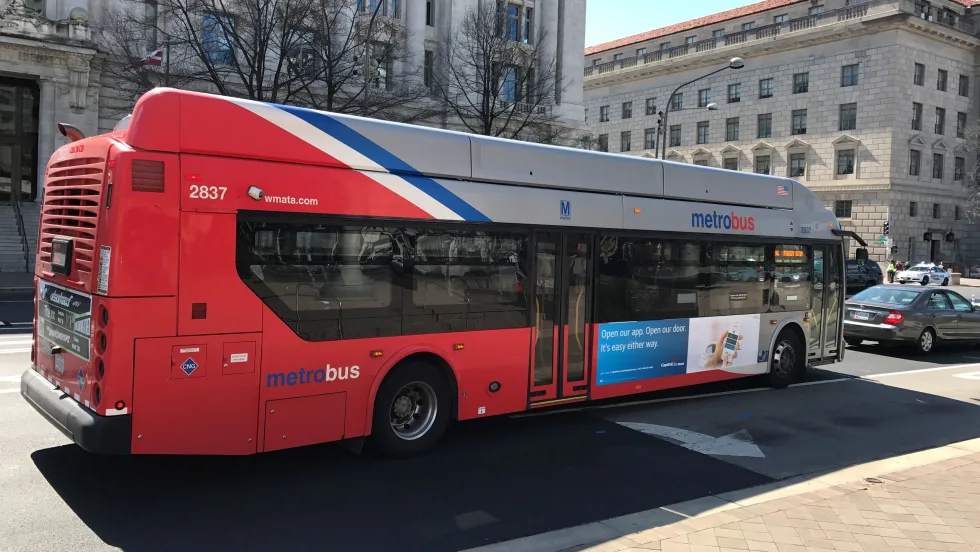
Read More →Branded as part of the “Better Bus” initiative, the overhaul is designed to deliver more frequent, reliable, and user-friendly service across Washington, D.C., Maryland, and Virginia, aligning transit with the region’s evolving mobility patterns and community needs.
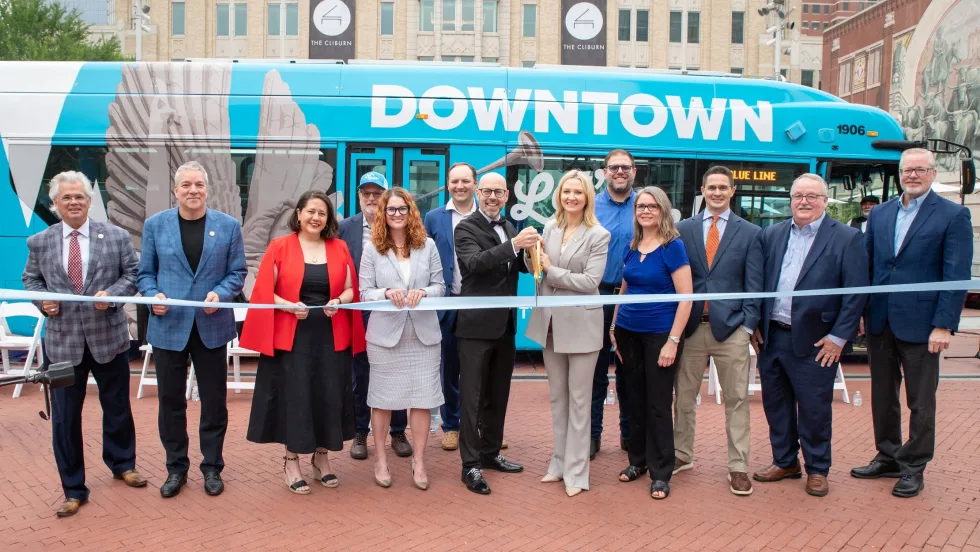
Read More →Funded in partnership with Visit Fort Worth and Downtown Fort Worth Inc., the Blue Line delivers a modern transit experience with frequent service, eye-catching vehicles, and easy connections to the region’s larger mobility network.
Read More →MTI's research found that transit frequently fails to work as a public service or as an adequate alternative to driving.
Read More →