




More Than a Trend: Transit Agencies Address Equity in Own Organizations, Communities
MTI Research Shows How Transit Can Lead to Social Change
MTI's research found that transit frequently fails to work as a public service or as an adequate alternative to driving.
February 14, 2023
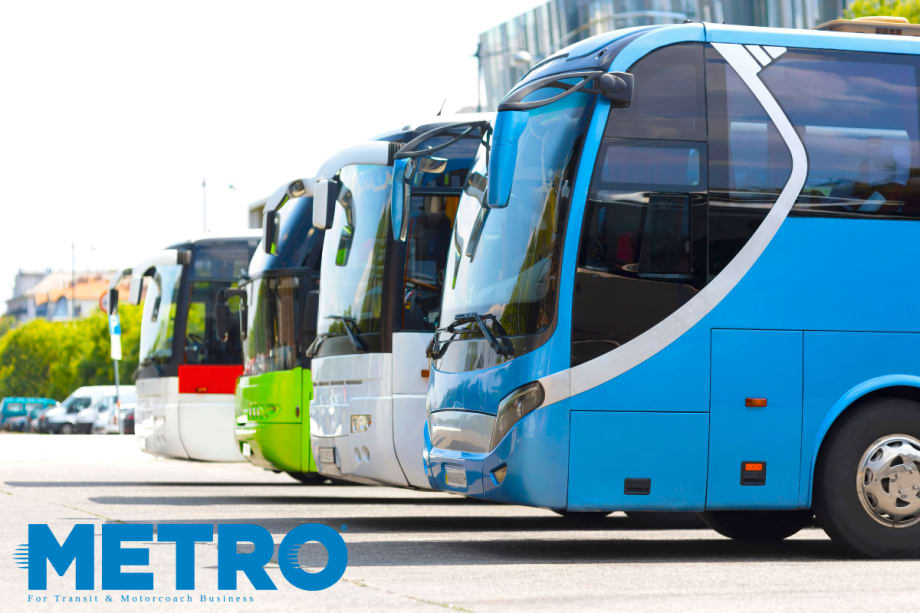
Most cities find that transit cannot achieve its goals of social change, according to MTI.
Photo: MTI
2 min to read
The latest Mineta Transportation Institute (MTI) perspective, "What is Transit: It’s Time to Decide," examined that transit cannot be tasked with solving multiple social issues and should instead follow a narrower, financially sustainable path forward that can also lead to viable social change.
Transit frequently fails to work as a public service or as an adequate alternative to driving and continues to struggle financially because communities do not want to burden vulnerable transit users with the full cost of transportation, according to MTI's news release. This means most cities find that transit cannot achieve its goals of social change.
MTI said there are several paths forward to improve how the system operates, with two different objectives:
Transit as a business. Ideally, a transit agency should have an objective very similar to other purveyors of private goods and services: to provide a product that satisfies its customers. If the agency achieves this objective, it will likely also find that demand for its product will increase, thus satisfying many other aims. But the first step is to put out a good product — first by prioritizing customer service.
Transit as a public service. If transit is going to act as a public service, then it should be funded explicitly for that purpose, just as we fund other public services, without fares. When provided with libraries, parks, schools, and fire departments, people are not asked to pay per use. Instead, taxes are used to ensure that these services exist, that (hopefully) they are delivered effectively, and that anyone can use them as needed.
“One method to find the right path forward for transit is to deal directly with funding first. The method by which revenue for public services is raised has a substantial impact on how it is spent. For example, the federal government has used a gas tax to fund much of its transportation investments over the last 60-plus years. This could be a way to financial stability for transit in the United States,” explained the authors.
MTI concluded that this is an ideal time to have a conversation about transit’s purpose and to focus the mission and funding of transit agencies on achievable goals to ensure transit is serving everyone in our communities and becoming even more accessible, efficient, and sustainable in the future.
More Management

METRO Opens Submissions for 2026 Motorcoach Awards
Nominations are now being accepted for METRO Magazine’s Operator of the Year and Innovative Operator of the Year awards.
Read More →
New York MTA Advances Final Contract for Second Avenue Subway Expansion
Contract Four is the largest in the Second Avenue Subway Phase 2 project and includes construction of station infrastructure, tracks, and signals for the subway expansion, MTA officials said. Work on Contract Four will begin in 2027.
Read More →
Transit Agencies Highlight Safety Gains at National Summit
Leaders from 15 major transit systems shared crime-reduction results and safety initiatives while discussing the role of continued federal support.
Read More →

NITA Names New Leadership, Expands Reduced-Fare Program at First Board Meeting
The new regional transit authority appointed its first board chair and interim executive director while extending reduced fares across CTA, Metra, and Pace for eligible riders.
Read More →
Beyond the Checklist: A Structured Approach to Transit Maintenance
Reliability-Centered Maintenance helps transit agencies move beyond routine checklists to focus limited resources on the assets and failures that have the greatest impact on safety, reliability, and service.
Read More →
APTA 2026 Nominating Committee Selects Leadership Slate, Names Chair and Vice Chair Nominees
Leadership changes will help shape the association’s priorities and its representation of the transportation industry during the 2026–2027 term.
Read More →
DART Launches Major Security, Fare Enforcement Initiative
The 90-day demonstration will deploy coordinated security teams at five light rail stations while testing controlled access and gathering data to guide future investments.
Read More →
Sponsored•September 9, 2026
Advancing Fare Collection Through Technology and Innovation
Learn about delivering 1300 gates at 91 stations while managing fare evasion. Explore the large scale deployment, solution customization and real-world results that affect the region. Prepare for deployment in your region now.
Read More →
Game Day in Motion: Moving Millions During the 2026 World Cup
Between packed transit stations and team motorcoaches, see how agencies and operators across North America tackled the transportation demands of the 2026 FIFA World Cup.
Read More →
Surface Transportation Extension Averts Shutdown, Leaves Transit Funding Gap
The stopgap keeps federal transportation programs moving, but missing advance funding could complicate the transit and rail projects agencies are planning next.
Read More →