



WMATA Launches First Major Metrobus Overhaul in 50 Years
Branded as part of the “Better Bus” initiative, the overhaul is designed to deliver more frequent, reliable, and user-friendly service across Washington, D.C., Maryland, and Virginia, aligning transit with the region’s evolving mobility patterns and community needs.

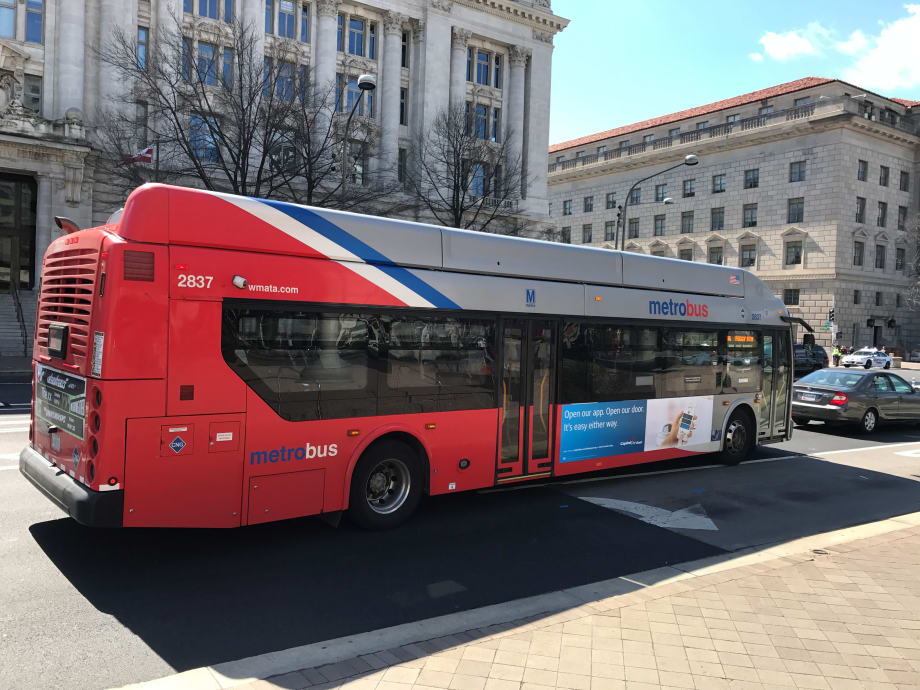
According to the agency, the Better Bus network marks a pivotal step in WMATA’s broader strategy to deliver a more modern, efficient, and equitable transit experience, bringing riders closer to the reliable public transportation system they’ve been asking for.
Photo: METRO
In its most significant service transformation since 1973, the Washington Metropolitan Area Transit Authority (WMATA) launched a completely redesigned Metrobus network.
Branded as part of the “Better Bus” initiative, the overhaul is designed to deliver more frequent, reliable, and user-friendly service across Washington, D.C., Maryland, and Virginia, aligning transit with the region’s evolving mobility patterns and community needs.
“This is a historic moment for Metro and our region,” said WMATA GM/CEO Randy Clarke. “The new network reflects years of community input and careful planning to create a bus system that’s more reliable, accessible, and ready for the future.”
The redesigned network introduces a suite of rider-focused improvements, including:
New Route Naming Conventions: All routes will adopt streamlined, intuitive names, such as “C” for crosstown D.C., “P” for Prince George’s County, and “A” for Arlington/Alexandria.
Improved Frequencies and Connections: Many routes feature more frequent service, better links to key destinations, and tailored improvements for school and work commutes.
Simplified Schedules: With approximately 5% of bus stops removed, Metro aims to improve on-time performance and reduce overall travel times.
Stable Fares: Metrobus fares remain unchanged at $2.25.
Shaping the New Future of Metrobus
This comprehensive update was shaped by more than 21,000 public comments and extensive technical planning.
“Redesigning a bus network of this size without a budget increase requires creativity, technical expertise, and commitment to operational efficiency,” said WMATA Board Chair Valerie Santos. “Metro’s new modernized bus network is designed to bring much-needed service to previously underserved areas while strengthening the region’s transit system.”
The launch is part of a broader regional effort to align local bus services for better integration.
In Prince George’s County, the local bus system, TheBus, will launch its updated network on June 30, with several routes coordinated between WMATA and TheBus. Meanwhile, Montgomery County’s Ride On service will introduce its updated network concurrently with WMATA on June 29, enhancing county-to-county connectivity.
To ensure a smooth transition, the agency is deploying clear signage and multiple digital tools:
New Bus Stop Signage: Updated signs across the region include current and future route information and contact details for WMATA customer support.
Trip Planning Tools: Riders can access WMATA’s Trip Planner and MetroPulse app to navigate the new system.
Multilingual Route Resources: Route-specific maps and neighborhood guides are available on the agency’s website.
Printable Timetables: Riders can create and print customized timetables for their preferred routes.
According to the agency, the Better Bus network marks a pivotal step in WMATA’s broader strategy to deliver a more modern, efficient, and equitable transit experience, bringing riders closer to the reliable public transportation system they’ve been asking for.
More Bus

New York MTA Plans Largest Bus Fleet Upgrade in More Than a Decade
The agency is seeking manufacturers for 650 new CNG buses to replace aging vehicles, improve reliability, and advance its broader fleet modernization strategy.
Read More →
Building a Flexible Path to Transit Electrification
John Hroncich discusses BAE Systems’ modular and scalable approach, lessons learned from decades of real-world operations, and how agencies can identify electrification strategies that fit their fleets.
Read More →
Bus Tech Talk: Keeping Transit Technicians Ahead of the Technology Curve
LA Metro’s Obed Mejia discusses technician training, evolving maintenance technology, fleet replacement, and strategies for getting the most out of today’s transit fleets.
Read More →
Biz Briefs: RIPTA Unveils New Frontrunners, Clevland RTA Adds New Siemens, and More
In METRO's latest installment, we take a look at recent news from Siemens, Prevost, Dodge, and more partnerships making headlines across the transportation sector.
Read More →
People Movement: Holly Arnold Joins Transdev and More
In this edition, we also cover recent appointments and announcements at Pace, CamTran, MCI, and more, showcasing the individuals helping to shape the future of transportation.
Read More →
The High Cost of Transit Buses: Industry Leaders Look to Procurement Reform
Transit leaders and policymakers examine how standardized bus designs, streamlined procurement, and predictable funding could help agencies stretch budgets and deliver better service.
Read More →
The Business Voice Behind Public Transportation
As chair of APTA’s Business Members Board of Governors, Ray Melleady explains how more than 850 business members are partnering with transit agencies to advance funding, innovation, and industry-wide collaboration.
Read More →
From Surviving to Thriving: Building Stronger Transportation Organizations
Bus Business Consultants founder Brian Dickson shares lessons on leadership, organizational health, and creating options for long-term success in a changing transportation industry.
Read More →
Finding the ‘Happy Medium’: Optimizing Maintenance Without Sacrificing Reliability
The key to maintenance optimization isn’t doing less work—it’s doing the right work at the right time on the right assets.
Read More →
LA Metro, City of West Hollywood, and Partners Advance Smarter Bus Lane Enforcement
The award-winning partnership combines AI-powered detection with human oversight to improve bus reliability, accessibility, and enforcement efficiency.
Read More →