
Metro Magazine

 MENU
MENU SEARCHMENUSEARCH
Loading data...
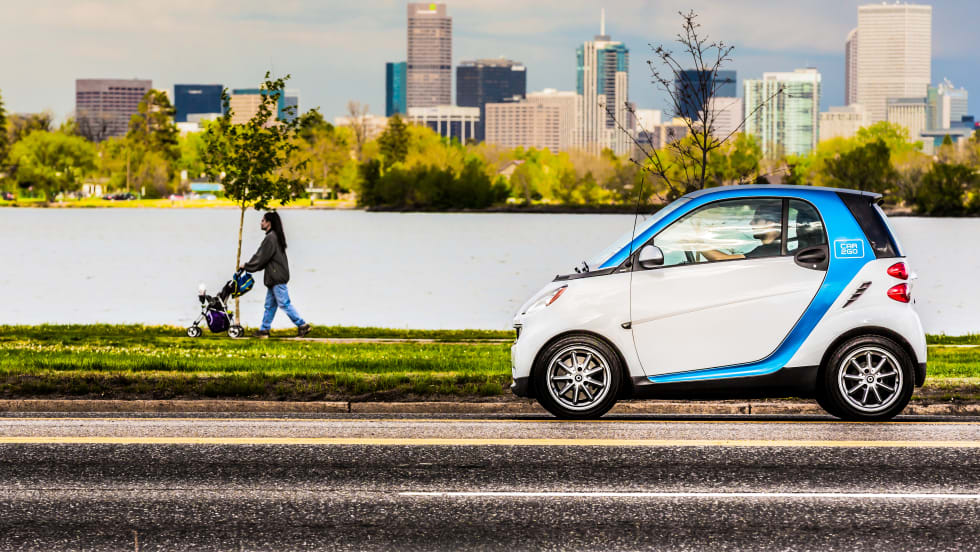
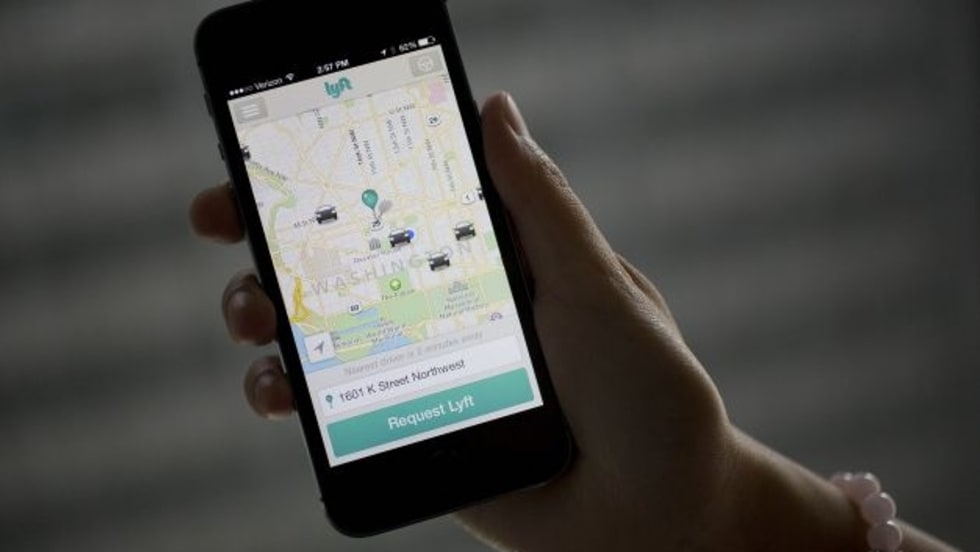
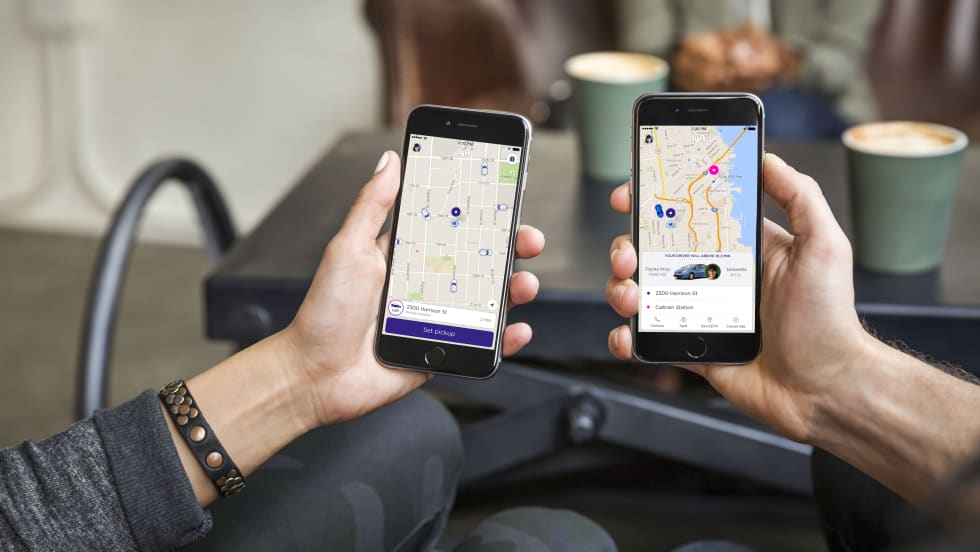
The recent rise of “mobility on demand” services like Uber and Zipcar has shifted society’s understanding of transportation systems and how they operate. Governments, advocates, and communities are responding by experimenting with their relationships to these services to ensure that on-demand options work with transportation networks to benefit public mobility.
Read More →
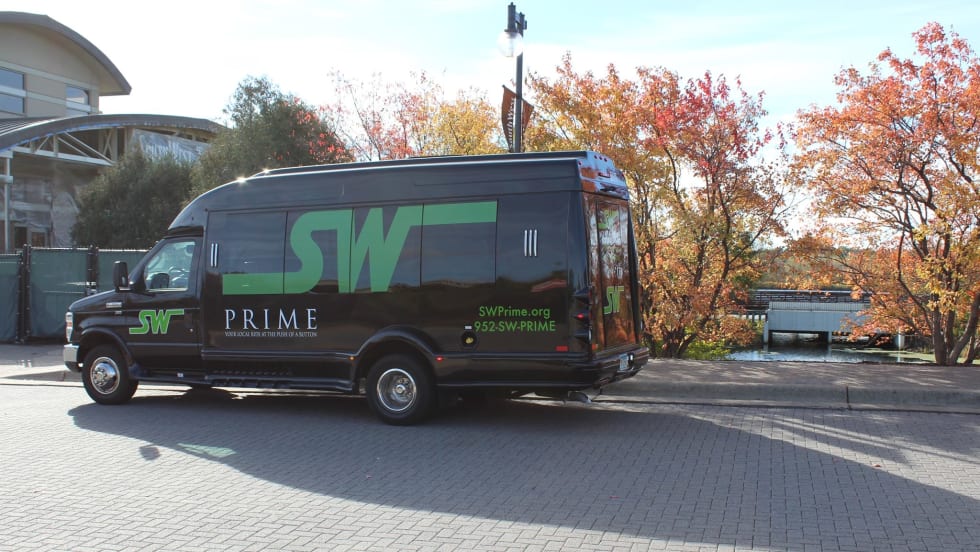
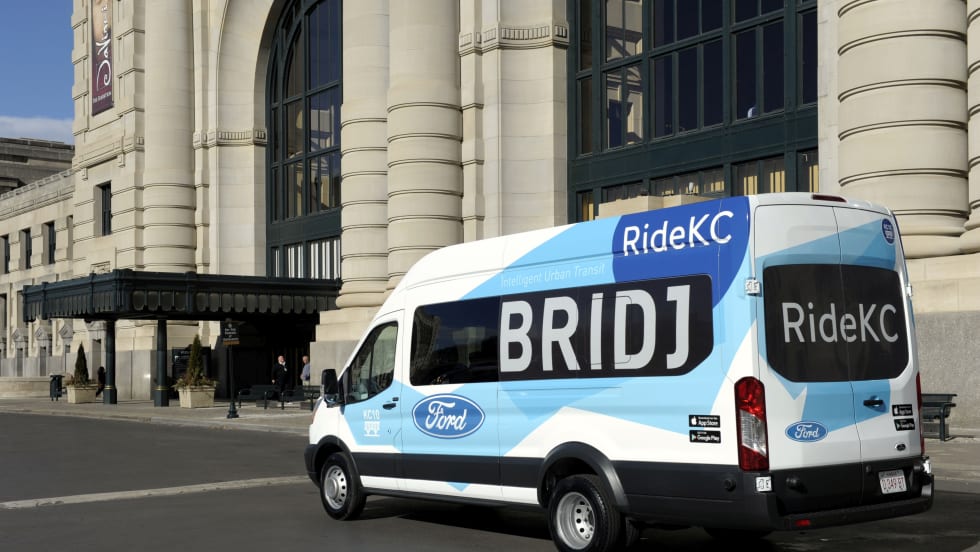
The agency is subsidizing the first $5 of a trip from a bus stop to their final destination, with the customer paying the rest, which with the zone setup will usually be around $1.
Read More →The agency launched Prime, as the service is called, in July 2015 with the idea of helping passengers complete the “last-mile commute."
Read More →New program uses Uber and United Taxi to pick up bus-stop-bound riders within eight specific zones throughout the county.
Read More →Focus will include ride-splitting services, on-demand carpooling apps and more traditional private modes such as employer shuttles.
Read More →Several months ago, the state agency quietly began a “proof of concept” study in which Access-a-Ride users request a ride and the MTA dispatches one through an e-hail app such as Uber, Arro or Curb, the latter two used by cabs.
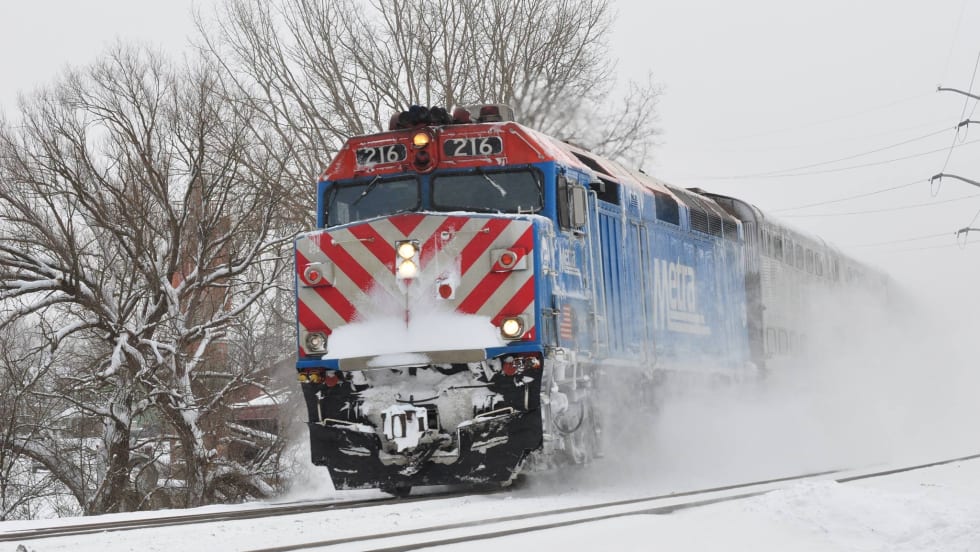
Read More →Uber’s name will be featured on a wide range of promotional materials, including posters displayed at train stations and on Metra trains, timetables, mailing inserts and at ticket office windows.
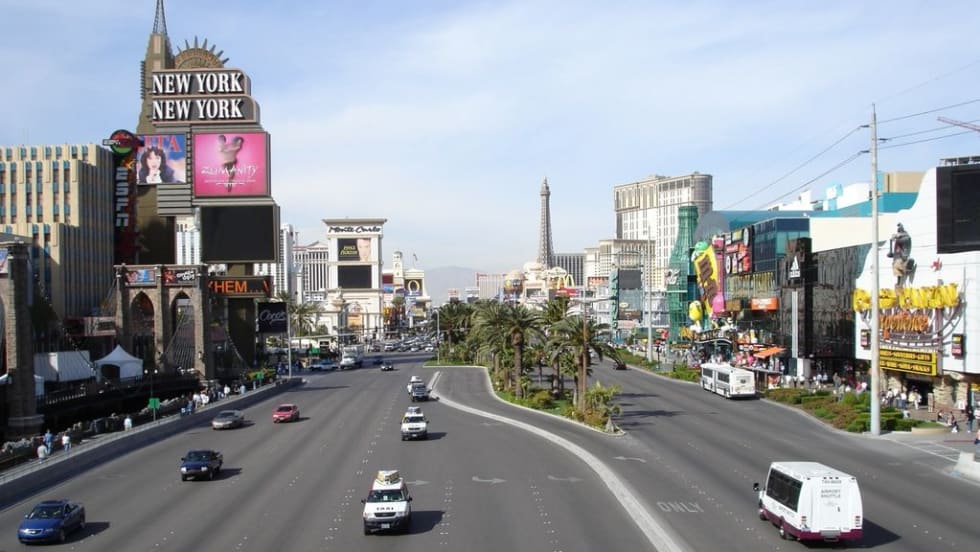
Read More →RTC has watched bus ridership gradually decline along the Strip ever since state regulators allowed Uber and Lyft to operate in September 2015.
Read More →The large TNCs departed in May after a proposition failed to pass that would have replaced a city ordinance that requires drivers to undergo mandatory fingerprint-based background checks.
Read More →The agreement means Uber and Lyft drivers will not be required to undergo the FBI fingerprint-based background check that the PTC wanted.
Read More →